


Key Takeaways
- Operating profit reached 6.04 billion Swedish crowns in Q3, surpassing analyst expectations of 5.14 billion crowns.
- The company’s gross margin expanded to 54.0% from the prior year’s 52.9%, exceeding projections.
- Shares of H&M declined approximately 2-3% following September sales guidance indicating only 1% expansion.
- Under CEO Daniel Erver, the retailer is accelerating production timelines and moving manufacturing closer to markets for faster trend response.
- Revenue in Western Europe contracted 1% during the period, with the CEO acknowledging sustained consumer financial strain.
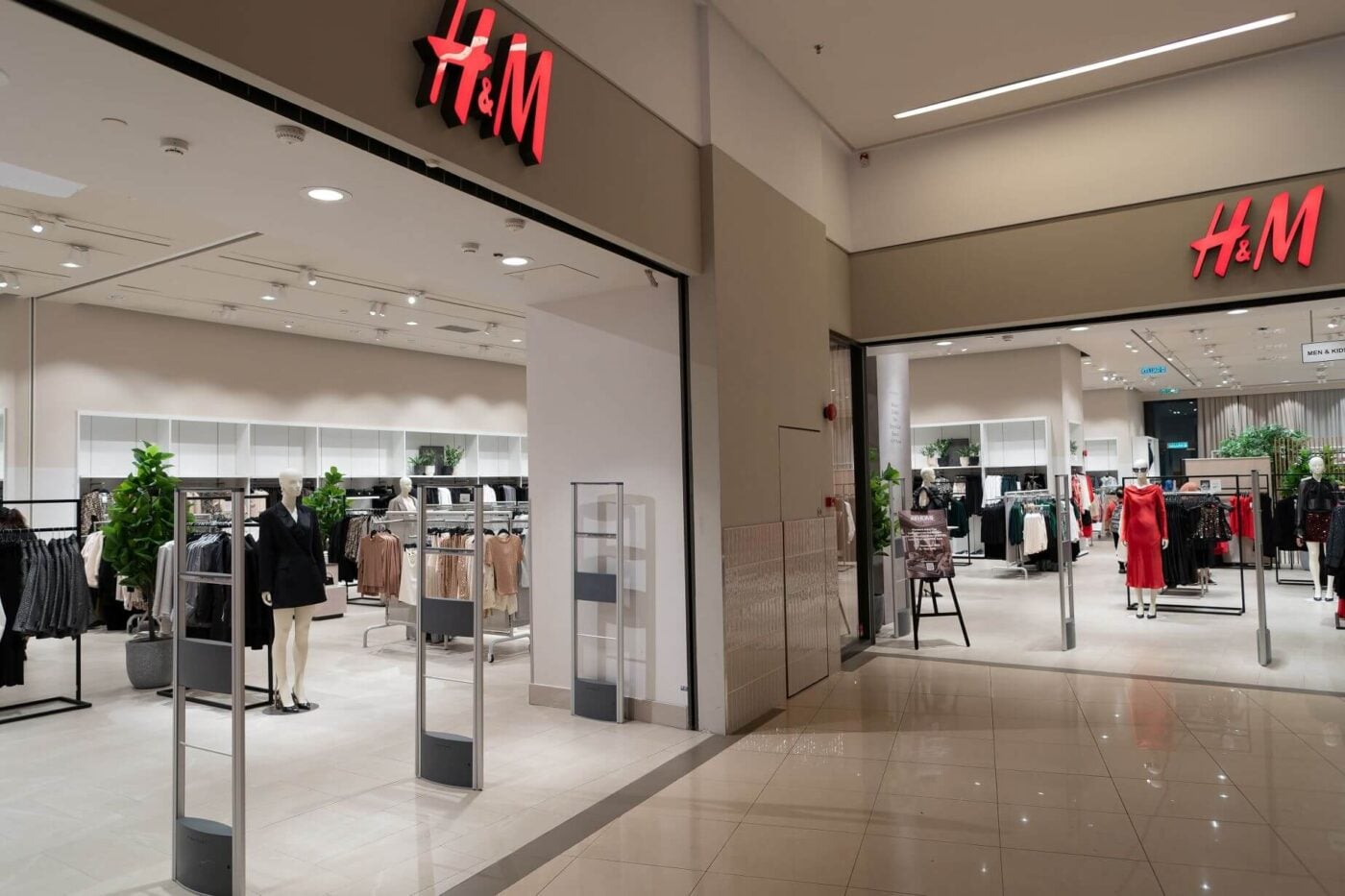
H&M (HMb) shares tumbled as much as 3% on Thursday before recovering somewhat to close down roughly 2%, despite the Swedish clothing giant reporting third-quarter earnings that exceeded Wall Street expectations.
H&M Hennes & Mauritz AB ADR, HNNMY
The retailer reported operating earnings of 6.04 billion Swedish crowns for the three months ending in August, representing a substantial increase from the 4.91 billion crowns recorded in the same period last year. The figure significantly exceeded the consensus forecast of 5.14 billion crowns from LSEG-surveyed analysts.
The company’s gross profit margin also outperformed expectations, expanding to 54.0% compared to 52.9% in the year-ago quarter. Market watchers had anticipated a margin of 53.4%.
However, investors reacted negatively to the company’s forward-looking commentary. H&M indicated that September revenue is projected to increase by a modest 1% in local currency terms, mirroring the lackluster growth pattern observed during the third quarter.

This guidance creates a stark contrast with competitor Inditex, Zara’s parent company, which disclosed 9% sales expansion earlier this month. The disparity highlights H&M’s current competitive positioning in the fast-fashion landscape.
Accelerating the Fashion Cycle
CEO Daniel Erver, who assumed leadership in January 2024, has prioritized cost discipline and supply chain optimization throughout his tenure. He informed Reuters that the company has achieved the capability to bring products from design to retail locations in just six weeks.
The strategy involves procuring a larger portion of merchandise through this accelerated timeline, reducing the gap between identifying consumer preferences and delivering products to market. Erver emphasized this approach is increasingly critical given volatile weather conditions and rapidly evolving fashion preferences.
Western Europe, representing H&M’s most significant market, presented challenges during the quarter. Regional sales decreased 1% year-over-year. Erver attributed this to shoppers who have faced “a lot of pressure for a long time.”
Operational adjustments also impacted performance. The closure of H&M’s Belgian distribution center during the quarter contributed to the regional revenue decline.
One-Time Tariff Benefits Unlikely to Recur
A portion of this quarter’s profit improvement stemmed from a non-recurring reimbursement related to previously paid US tariffs. H&M made clear that similar refunds are not anticipated in future periods.
Transportation expenses increased during the quarter, which the company identified as an external headwind affecting procurement costs. Promotional discounting remained relatively consistent with prior-year levels.
For the fourth quarter, H&M anticipates external cost pressures to be moderately unfavorable compared to the previous year. Discounting as a percentage of revenue is expected to rise marginally, attributed to an extended promotional period before Black Friday this year.
The retailer continues reducing its physical footprint while investing in existing locations. Approximately 20% of its roughly 4,000 stores worldwide have undergone renovations to date.
Digital commerce now represents over 30% of H&M’s total revenue. Additional distribution facilities are scheduled to launch across Europe within the next twelve months to support e-commerce expansion.
Erver also commented on the European Union’s recently implemented customs duties on low-value online shipments, a regulation he had advocated for to create competitive parity against Shein and Temu. He indicated the policy is unlikely to materially impact H&M’s sales performance.
Total third-quarter revenue reached 57.189 billion Swedish crowns, marginally higher than the 57.017 billion crowns generated in the comparable period last year.
Get 3 Free Stock Ebooks
Discover top-performing stocks in AI, Crypto, and Technology with expert analysis.
- Top 10 AI Stocks - Leading AI companies
- Top 10 Crypto Stocks - Blockchain leaders
- Top 10 Tech Stocks - Tech giants



