


Key Points
- Ledger strengthens distribution controls after discovering criminals modified authentic hardware wallets through reseller networks.
- Attackers embedded covert components that recorded users’ 24-word recovery phrases and relayed them via mobile networks.
- Blockchain analytics firm Bitquery traces $102 million in stolen cryptocurrency across 324 wallet addresses, surpassing initial $86 million projections.
- Company inspections of warehouse inventory and retail samples revealed no evidence of tampering in examined units.
- New protocols require authorized sellers to store devices away from public access and prohibit resale of any returned units.
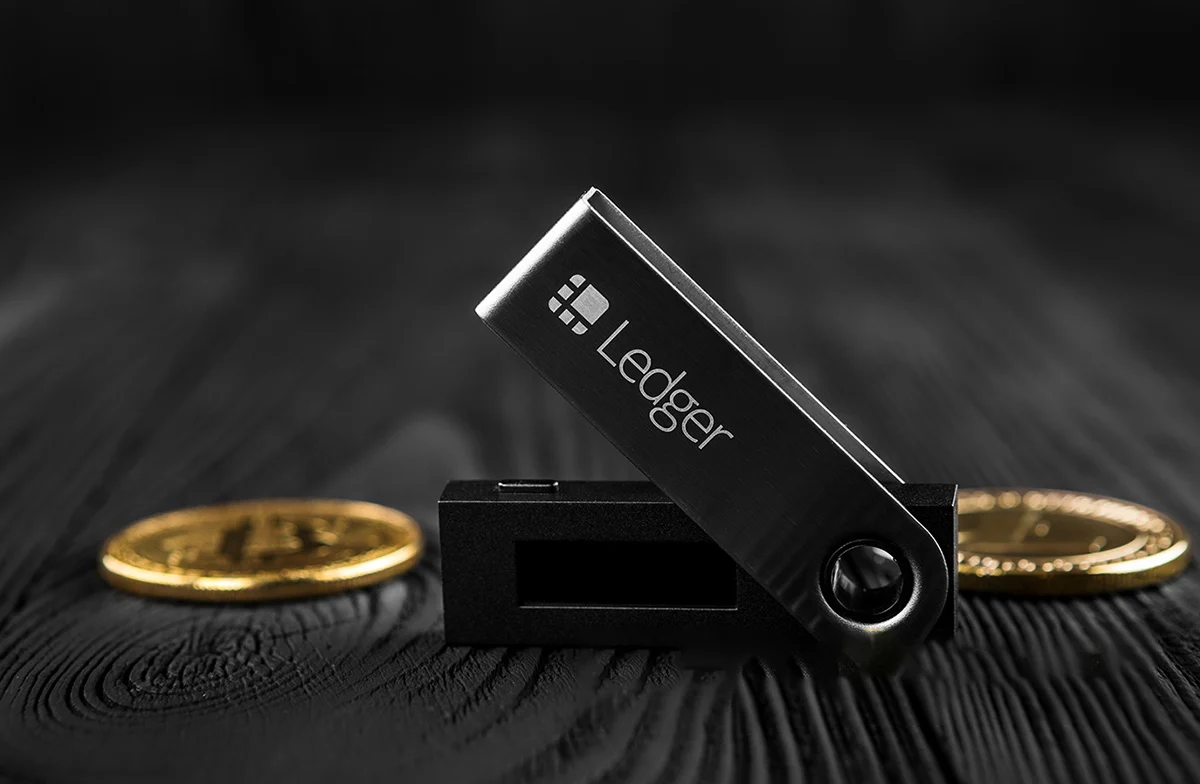
Ledger has implemented stricter oversight measures for hardware wallet distribution channels following a sophisticated attack where criminals modified authentic devices to steal digital assets. The company’s October 15 announcement reinforced existing prohibitions on reselling returned products and mandated that retailers secure inventory away from customer-accessible areas.
Attack methodology revealed
According to Ledger, perpetrators acquired genuine wallet units, embedded concealed components within the devices, and reintroduced them into Southeast Asian distribution networks. The company described a months-long preparation phase during which attackers established infrastructure to harvest recovery phrases and transfer stolen cryptocurrency.
The security breach came to light October 9 when multiple users reported unauthorized asset withdrawals from wallets purchased through Malaysia-based distributor CryptoBilis. A previous Ledger wallet theft investigation linked the incidents to this specific reseller, prompting an immediate suspension of its operations.
Technical breakdown of the implant
Ledger’s forensic analysis identified a component designed to capture the 24-word recovery phrase shown during initial device configuration. This implant transmitted the captured credentials via cellular data using an integrated electronic SIM card.
The compromised units maintained intact security chips and operating systems, according to company findings. Binance founder Changpeng Zhao warned on X October 9 that available evidence indicated a targeted compromise through a single distribution channel rather than a systemic vulnerability affecting all Ledger products.
Financial impact escalates through blockchain analysis
Blockchain analyst Specter initially calculated losses exceeding $86 million. Bitquery’s October 15 assessment revised that figure to $102 million stolen from 324 wallet addresses spanning six blockchain networks. Earlier confirmation of device tampering verified that forensic teams discovered unauthorized hardware modifications. Ledger has declined to verify total theft amounts or provide specific victim counts.

Bitquery reported that Tether froze $10 million in USDT connected to the theft. Analysis teams followed the movement of stolen assets through decentralized exchanges and privacy-focused services. Researchers emphasized their data reflects wallet addresses rather than individual victims, acknowledging single users may operate multiple compromised wallets.
Distribution reforms and user recommendations
Ledger confirmed its security teams inspected units from German retail locations and warehouse facilities, finding zero evidence of tampering in tested samples. An October 14 X update from the company requested temporary sales suspensions across seven jurisdictions, including Hong Kong. Resellers in Asia suspended wallet sales while investigations proceeded.
Authorized distributors now face requirements to maintain wallet inventory in restricted storage areas and deliver devices directly to purchasers during transactions. Ledger urges CryptoBilis customers who have unopened devices to refrain from activation. Users who already initialized affected wallets should immediately transfer assets to newly generated wallets with fresh recovery phrases.
Get 3 Free Stock Ebooks
Discover top-performing stocks in AI, Crypto, and Technology with expert analysis.
- Top 10 AI Stocks - Leading AI companies
- Top 10 Crypto Stocks - Blockchain leaders
- Top 10 Tech Stocks - Tech giants



