


Key Highlights
- Jeff Bezos’s cumulative investment in Blue Origin has reached approximately $30 billion since establishing the company in 2000.
- Blue Origin successfully closed a $10 billion funding round, marking its inaugural capital raise from external investors.
- The funding round establishes the company’s valuation at approximately $140 billion.
- The space enterprise generated $800 million in revenue during 2025 and anticipates reaching $1.4 billion in the current year.
- Revenue projections indicate the company expects to surpass $30 billion annually by 2030.
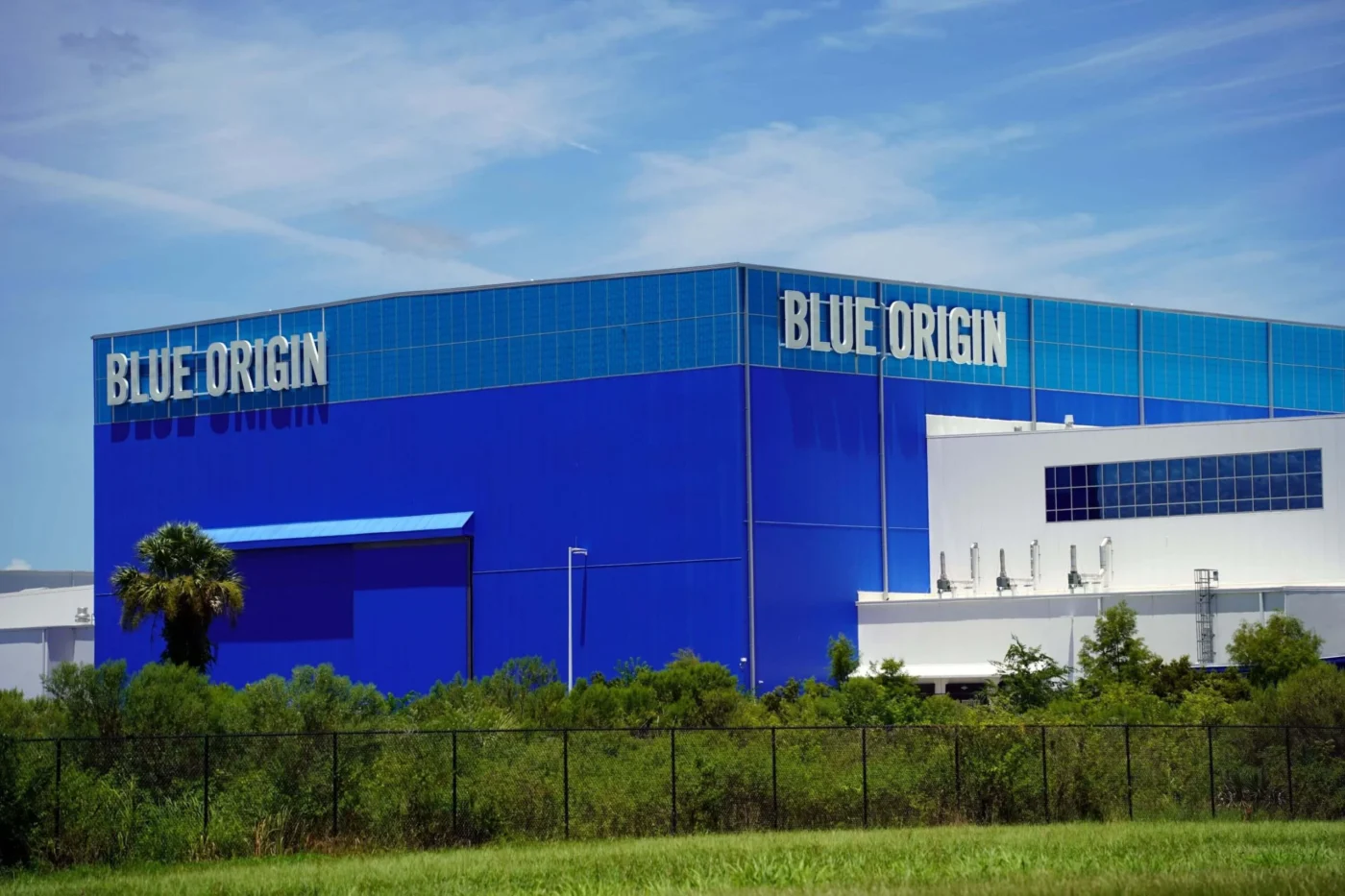
Blue Origin has successfully concluded its inaugural fundraising initiative featuring participation from external investors. The capital injection totaled $10 billion and established a company valuation of approximately $140 billion.
Jeff Bezos established Blue Origin in 2000. His personal capital commitment to the enterprise has now reached approximately $30 billion.
This cumulative investment encompasses an additional $2 billion pledge connected to the most recent funding round. Bezos has systematically liquidated Amazon stock holdings throughout the years to finance his space exploration enterprise.
His personal wealth stood at $275 billion as of late September. This valuation originates from the Bloomberg Billionaires Index.
Ambitious Revenue Projections Signal Aggressive Expansion
Blue Origin recorded $800 million in revenue during 2025. The enterprise anticipates this figure will expand to $1.4 billion in the current fiscal year.
Internal documents examined by The Wall Street Journal indicate the company forecasts revenues exceeding $30 billion by 2030. A significant portion of this anticipated growth stems from a developing satellite communications division.

The satellite communications business has yet to deploy any hardware into orbital space. Additional projected revenue streams include a contemplated fleet of artificial intelligence-focused satellites.
The majority of immediate revenue generation is anticipated from commercial rocket launch services. Blue Origin’s workforce currently consists of approximately 15,000 employees.
The organization implemented substantial workforce reductions last year. Concurrently, it suspended its suborbital space tourism operations during the same timeframe.
SpaceX Rivalry Continues to Shape Strategic Direction
Blue Origin faces competition from numerous entities within the space sector. Its primary competitor remains Elon Musk’s SpaceX, widely recognized as the dominant industry player.
Blue Origin relies on its New Glenn rocket platform to narrow the competitive divide. New Glenn incorporates a reusable booster architecture engineered to reduce launch expenses progressively.
The organization has completed three New Glenn missions to date. Launch operations have been suspended following a vehicle explosion at a Florida launch facility in May.
Blue Origin is currently reconstructing the damaged launch infrastructure. Chief Executive Dave Limp has directed the company for nearly three years.
Limp has prioritized accelerating mission cadence and technical advancement throughout his tenure. The organization emphasizes its commitment to enhanced reliability for clients, including NASA.
Bezos discussed the space sector dynamics in a previous interview. He expressed confidence that multiple companies could achieve success simultaneously in the industry.
He predicted success for both SpaceX and Blue Origin. He further suggested that even companies not yet established could emerge as successful industry participants.
The current funding initiative may ultimately exceed its initial $10 billion objective. It represents the first instance of Blue Origin accepting external investment since its establishment twenty-six years ago.
Get 3 Free Stock Ebooks
Discover top-performing stocks in AI, Crypto, and Technology with expert analysis.
- Top 10 AI Stocks - Leading AI companies
- Top 10 Crypto Stocks - Blockchain leaders
- Top 10 Tech Stocks - Tech giants



