


Key Highlights
- The Oracle of Omaha has relinquished his chairman position at Berkshire Hathaway with immediate effect
- Howard Buffett, who has served on the board since 1993, assumes the chairman position
- The legendary investor will transition to chairman emeritus while maintaining his board seat
- This leadership transition follows Greg Abel’s appointment as CEO nine months earlier
- The conglomerate maintains approximately $365 billion in cash reserves and recently acquired a significant $37 billion position in Alphabet
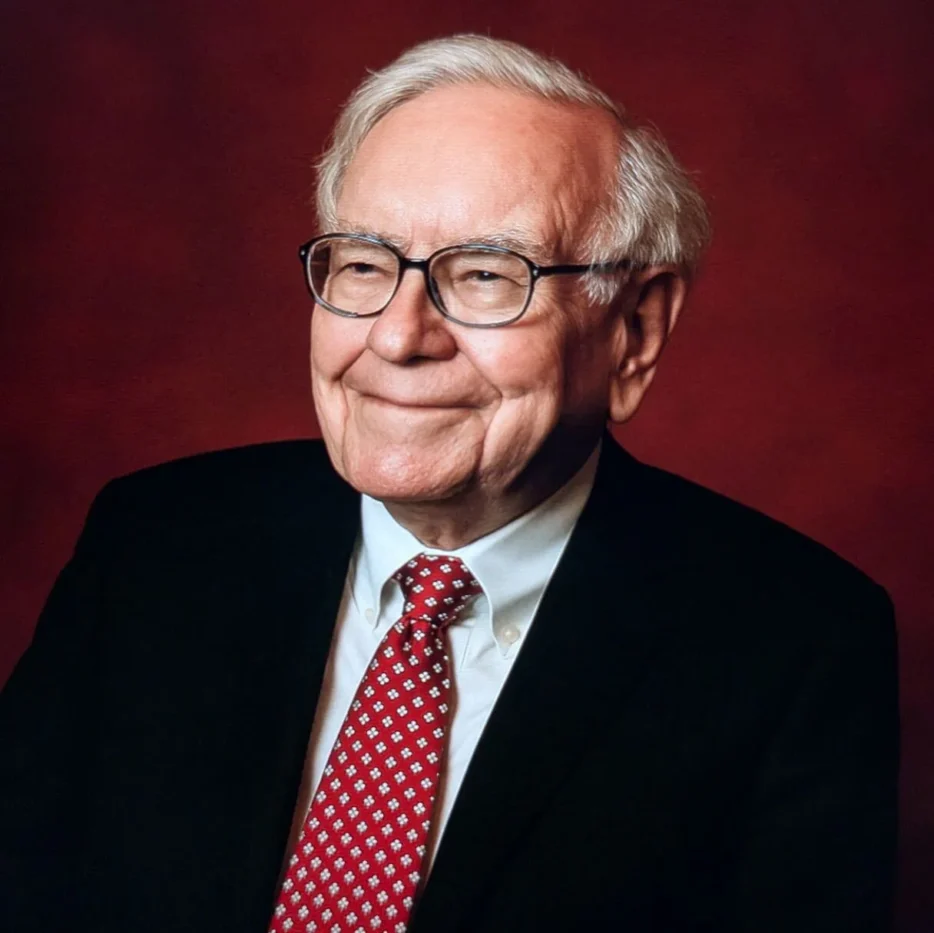
In a historic move announced Friday, Warren Buffett has relinquished his position as chairman of Berkshire Hathaway, with the change taking effect immediately. The company confirmed that Howard Buffett, Warren’s son, will assume the chairman responsibilities.
The 96-year-old investing legend will transition into the role of chairman emeritus while continuing to serve as a member of the board of directors.
Leadership Succession at Berkshire
Howard Buffett brings extensive board experience to the chairman position, having served as a Berkshire director for over three decades since joining in 1993. As Warren’s middle son, born in 1954, he represents the second generation of Buffett leadership at the conglomerate.
The chairman transition follows Warren Buffett’s departure from the CEO position approximately nine months ago on January 1. Since that time, Greg Abel has commanded the chief executive office and managed the company’s daily operations.
Addressing shareholders through a letter, the elder Buffett explained his decision’s timing. He noted that Abel had been “making the decisions that matter for some time” and had surpassed his expectations in the role.
“Greg runs the company; Howard will guard its culture and values,” the investing icon explained. He characterized Howard’s chairman position as a protective measure for shareholders, comparable to an insurance policy they hopefully won’t need to invoke.
Reflecting on his tenure, Buffett added: “Serving as your chairman has been the privilege of a lifetime, and I have never taken your trust for granted. Father Time always wins.”
Susan Decker, who joined the board in 2007, will maintain her position as lead independent director.

Berkshire’s Current State Under Abel
Since assuming the CEO position, Abel has initiated several strategic moves. Most notably, Berkshire has established a substantial $37 billion investment in Alphabet, Google’s parent company, elevating it to one of the portfolio’s five largest holdings.
Despite his expanded authority, Abel maintains daily communication with Buffett and regularly consults him on significant strategic matters.
The Abel era has witnessed an uptick in share buyback activity at Berkshire. Conversely, major new acquisitions have been relatively scarce during his tenure.
The company’s cash reserves totaled approximately $365 billion as of June 30, representing a modest decline from the $380 billion reported at the conclusion of the first quarter.
Berkshire’s Class A shares closed Thursday’s trading session at $763,936. Year-to-date, the stock has gained 1.2%, though this performance trails the broader S&P 500 index.
When Buffett departed the CEO role, he maintained a 30% voting stake as the controlling shareholder. The billionaire has publicly committed to donating his complete Berkshire holdings, currently representing roughly 13% ownership valued at over $140 billion, by the year 2034.
In a Friday statement, Abel honored Buffett’s legacy. “Warren’s impact on Berkshire and its owners is without parallel in the history of American business,” Abel stated. “The culture Warren built and the values he championed will remain at the heart of Berkshire, and Howard will be their guardian.”
Get 3 Free Stock Ebooks
Discover top-performing stocks in AI, Crypto, and Technology with expert analysis.
- Top 10 AI Stocks - Leading AI companies
- Top 10 Crypto Stocks - Blockchain leaders
- Top 10 Tech Stocks - Tech giants



