



Key Takeaways
- Wells Fargo reduced its S&P 500 year-end projection from 7,950 down to 7,700, suggesting minimal 1% upside potential
- The investment bank identifies the market as being in its late-cycle growth phase, historically associated with declining valuations
- Technology sector received a downgrade to equal-weight from overweight, with concerns about AI infrastructure investment and regulatory pressures
- Healthcare sector received an upgrade to overweight as strategists favor defensive positioning in mature market conditions
- Bank of America raised its own target to 7,400 while cautioning about unfavorable seasonal market trends
In a strategic shift, Wells Fargo has reduced its S&P 500 year-end price forecast from 7,950 down to 7,700, signaling diminished expectations for equity market momentum. This revised projection suggests approximately 1% additional upside potential through the remainder of 2026.
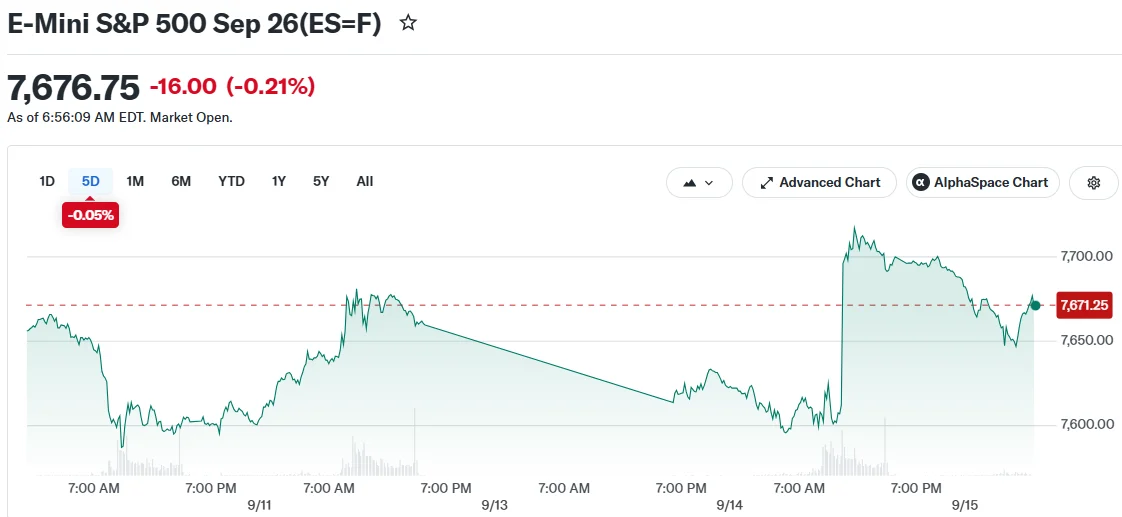
The revised outlook came from the bank’s equity strategy team, headed by Ohsung Kwon, on September 14. As of Monday’s close, the S&P 500 was trading near 7,620, reflecting an 11% year-to-date advance.
Valuation Contraction in Mature Growth Phase
According to Wells Fargo’s analysis, the equity market is transitioning into the later stages of its expansion cycle. During such periods, market participants generally assign lower price-to-earnings multiples to equities, a phenomenon referred to as valuation compression.
Despite lowering price targets, the bank increased its earnings estimates. Wells Fargo now projects S&P 500 companies will generate $425 in earnings per share during 2027 and $460 in 2028.
However, strategists highlighted a noteworthy risk. Their analysis shows that current 2027 earnings expectations sit 42% above the long-term historical trend for comparable points in economic cycles. This represents the widest deviation recorded since the 1950s.

The firm also cautioned that any deceleration in artificial intelligence infrastructure spending by major technology companies could negatively impact 2028 earnings projections. Last quarter’s 50% year-over-year earnings growth for S&P 500 constituents represents an unsustainable trajectory, according to the bank’s assessment.
Sector Rotation: Technology Out, Healthcare In
Wells Fargo downgraded the technology sector from overweight to equal-weight. This decision followed widespread selling pressure in tech equities on Monday, sparked by industry leaders advocating for voluntary restraints on certain technological developments.
The bank identified upcoming midterm elections as an additional risk factor for technology stocks. Growing political resistance to large-scale data center development, combined with potential policy changes if Democrats secure electoral victories in November, could present challenges for the sector. Year-to-date, technology stocks have surged 28%.
Among technology subsectors, Wells Fargo expressed a preference for software companies relative to semiconductor manufacturers.
Conversely, the bank elevated healthcare stocks from equal-weight to overweight. A Democratic electoral outcome could lead to the reinstatement of expanded Affordable Care Act subsidies, creating tailwinds for healthcare companies. The sector has posted a 9% gain this year.
Meanwhile, Bank of America took a contrasting approach to its overall market outlook, increasing its year-end S&P 500 target from 7,100 to 7,400. Nevertheless, BofA strategists warned that markets face seasonally challenging conditions and recommended investors rotate toward more defensive sectors.
Wells Fargo’s shares climbed 3% after the firm published its updated market outlook. The bank maintains a Moderate Buy consensus rating on TipRanks, with analysts setting an average price target of $101.05 over the next twelve months.
Get 3 Free Stock Ebooks
Discover top-performing stocks in AI, Crypto, and Technology with expert analysis.
- Top 10 AI Stocks - Leading AI companies
- Top 10 Crypto Stocks - Blockchain leaders
- Top 10 Tech Stocks - Tech giants



