


Key Takeaways
- Shares of Ultragenyx plummeted 45% in after-hours trading following negative Phase 3 trial results for apazunersen in Angelman syndrome
- The experimental treatment failed to achieve the primary endpoint and critical secondary endpoint in the Aspire clinical study
- Researchers observed no significant differences between the treatment group and placebo recipients
- The disappointing results raise concerns about the Aurora trial, a companion study testing the same drug
- The biotech firm intends to reduce operational costs while focusing on commercial products like newly approved Genglycos
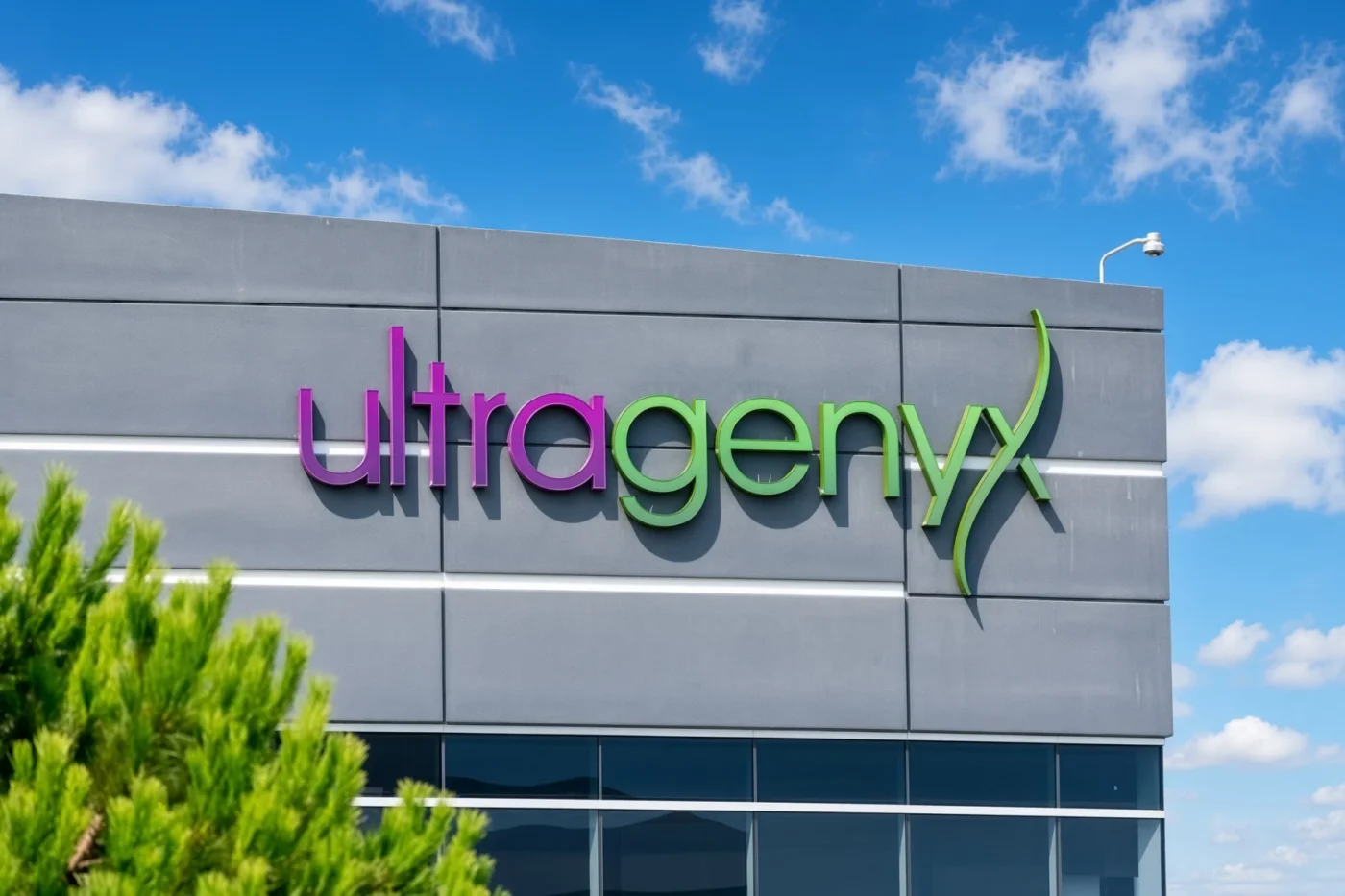
Shares of Ultragenyx Pharmaceutical (RARE) collapsed 45% during Wednesday’s extended trading session after the company disclosed that apazunersen, its investigational treatment, failed to demonstrate efficacy in a pivotal Phase 3 clinical trial targeting Angelman syndrome.
Ultragenyx Pharmaceutical Inc., RARE
The clinical study, designated Aspire, evaluated whether apazunersen could enhance cognitive function and developmental progress in pediatric patients diagnosed with the condition. The trial failed to reach the primary endpoint, measured by changes in Bayley-4 cognitive raw scores, and also missed the crucial secondary endpoint tracking net response in the Multidomain Responder Index (MDRI).
According to Ultragenyx, no statistically significant or clinically relevant differences emerged between participants receiving the active treatment and those in the placebo arm. While the drug’s safety profile remained consistent with previous trials, this provided minimal reassurance to investors.
Chief Executive Officer Emil Kakkis expressed profound disappointment with the outcome, acknowledging the impact on patients and their families who placed significant hope in the therapy. “We are disappointed for the global patient community who has invested so much in early-stage research,” he stated.
Angelman syndrome is a rare neurological disorder affecting approximately 1 in 15,000 births, stemming from dysfunction in the UBE3A gene. The condition results in intellectual disability, epileptic seizures, and profound developmental challenges. To date, no disease-modifying therapies have received regulatory approval.

Implications for the Aurora Clinical Trial
The Aspire trial’s failure casts significant uncertainty over Aurora, a parallel investigation examining apazunersen’s effectiveness in Angelman syndrome patients with distinct genetic variations.
William Blair analyst Sami Corwin observed that even if Aurora achieves its primary objective, the commercial prospects would remain challenging. The eligible patient population is extremely limited, making it difficult to sustain a commercially viable product, according to her analysis.
Apazunersen had previously secured multiple FDA designations, including Breakthrough Therapy and Orphan Drug status. These regulatory acknowledgments reflected encouraging signals from earlier Phase 1 and 2 investigations, which makes the late-stage setback particularly surprising.
Ultragenyx indicated it will conduct a comprehensive review of the apazunersen development program to determine its future direction. The organization also announced plans to implement cost-reduction measures while reassessing its strategic priorities.
Company Pivots to Marketed Products
Notwithstanding the clinical disappointment, Ultragenyx highlighted its expanding portfolio of marketed therapies as a foundation for continued operations.
In the previous month, the company secured FDA clearance for Genglycos, a gene therapy designed to treat glycogen storage disease type Ia, commonly referred to as Von Gierke disease. This marked the inaugural gene therapy authorization for this metabolic disorder.
The biotech company is also anticipating potential regulatory approval for UX111 in Sanfilippo syndrome and pursuing geographic expansion for its existing product portfolio. Kakkis emphasized that the organization remains committed to achieving profitability by 2027.
The Aspire trial recruited participants with baseline characteristics similar to those in Phase 2 studies, making the contrasting results particularly puzzling and intensifying investor concerns.
Ultragenyx confirmed it will maintain support for its commercial operations while conducting a thorough evaluation of its development pipeline following the apazunersen trial outcome.
Get 3 Free Stock Ebooks
Discover top-performing stocks in AI, Crypto, and Technology with expert analysis.
- Top 10 AI Stocks - Leading AI companies
- Top 10 Crypto Stocks - Blockchain leaders
- Top 10 Tech Stocks - Tech giants



