


Key Highlights
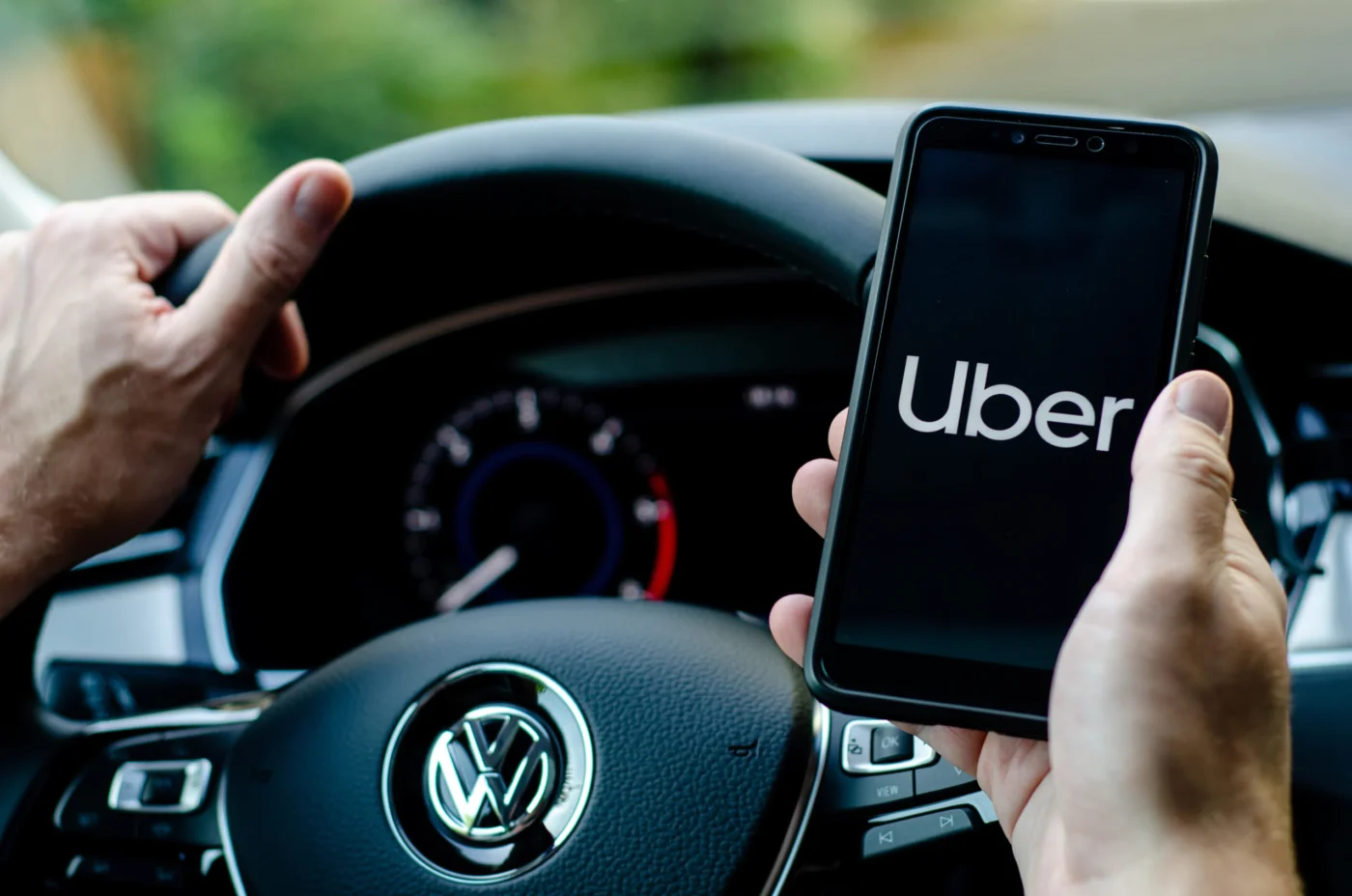
- Uber introduced its inaugural self-driving taxi program in London through a collaboration with British AI firm Wayve
- The initial deployment features Ford Mustang Mach-E electric SUVs, with the fleet size under 20 vehicles
- Each vehicle maintains a safety driver on board; no date set for completely autonomous operation
- This marks Uber’s second robotaxi venture in Europe, following its Zagreb deployment with Pony.AI
- Analysts maintain a Strong Buy rating on UBER stock, with price targets averaging $104.04, suggesting 36% potential gain
On Thursday, Uber rolled out its inaugural autonomous taxi service in London, collaborating with British artificial intelligence company Wayve. UBER stock finished Wednesday’s session at $76.45, gaining 1.61%, and extended gains by 0.6% in after-hours trading to reach $76.89.
The trial program kicks off with a small fleet of under 20 Ford Mustang Mach-E electric SUVs equipped with Wayve’s autonomous driving platform. Passengers requesting rides through UberX, Uber Comfort, or Uber Electric services may receive one of these self-driving vehicles without any additional fees.
Throughout this early phase, a certified safety operator will occupy the driver’s seat. This driver maintains the ability to intervene or engage the braking system when needed.
According to Sarfraz Maredia, Uber’s autonomous mobility chief, the company continues working with UK regulators on approval for completely driverless operations under the government’s testing framework. No specific date for full autonomy has been announced.

London presents unique challenges for self-driving technology. The city’s narrow streets, congested traffic patterns, buses, cyclists, and electric bikes create a complex operating environment for autonomous vehicles.
Expanding Uber’s Autonomous Vehicle Strategy
This London deployment represents Uber’s second robotaxi initiative in Europe. The rideshare company initially entered the European autonomous vehicle market in Zagreb through a partnership with China-based Pony.AI.
Uber has committed to rolling out over 2,000 Pony.AI robotaxis throughout Europe. Meanwhile, in Dubai, completely driverless Baidu vehicles are currently transporting Uber riders.
Rather than developing proprietary self-driving technology, Uber’s strategy centers on collaborating with autonomous vehicle manufacturers. This model allows AV developers to tap into Uber’s established customer base while Uber sidesteps the substantial investment required to create its own autonomous systems.
The Wayve-Uber partnership began in 2024 and included a financial investment from Uber. Both organizations have outlined plans to extend their collaboration into additional markets.
London Emerges as Autonomous Vehicle Battleground
Uber faces growing competition in London’s autonomous vehicle space. Both Waymo, owned by Alphabet, and Baidu are preparing to introduce commercial passenger services in the British capital.
This positions London as a crucial proving ground where multiple autonomous vehicle technologies will compete simultaneously.
Wayve, established in Cambridge, represents one of the limited number of UK companies developing comprehensive AI-powered driving systems. The company’s platform is engineered to function across various vehicle models and diverse driving conditions.
Analyst sentiment on Wall Street reflects a Strong Buy consensus for UBER stock. This rating derives from 29 Buy recommendations, three Hold ratings, and zero Sell ratings issued in the last three months.
The consensus price target sits at $104.04, indicating approximately 36% upside potential from present trading levels.
Get 3 Free Stock Ebooks
Discover top-performing stocks in AI, Crypto, and Technology with expert analysis.
- Top 10 AI Stocks - Leading AI companies
- Top 10 Crypto Stocks - Blockchain leaders
- Top 10 Tech Stocks - Tech giants



