


Key Highlights
- President calls for expedited Senate approval of digital asset framework honoring Graham
- Lawmakers accelerate negotiations on cryptocurrency bill ahead of summer break
- Administration doubles down on regulatory clarity despite ethical concerns
- Bipartisan discussions face obstacles over governance provisions
- Memorial effort intensifies timeline for Congressional action on crypto oversight
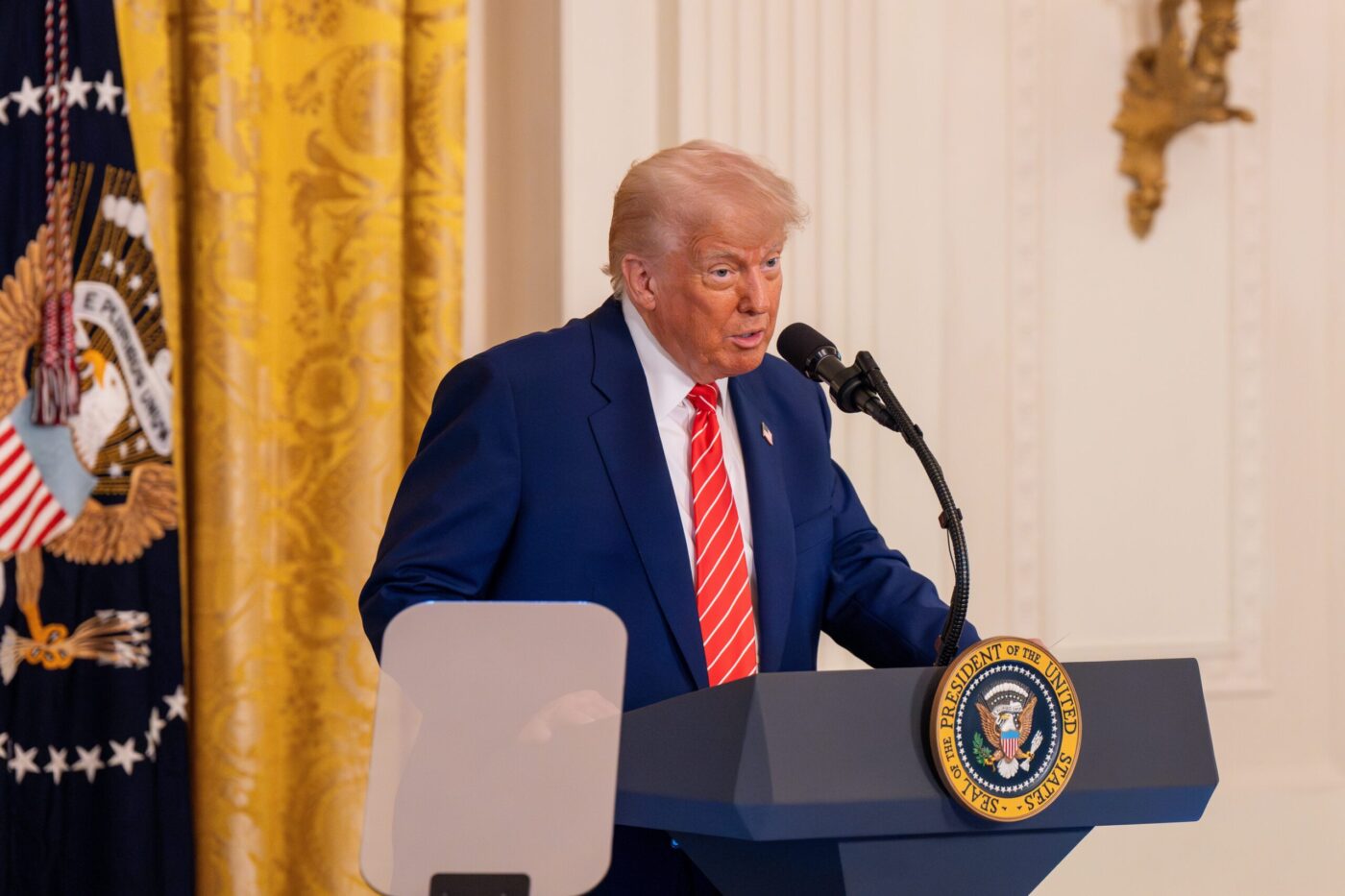
The President has escalated his appeal for Senate movement on the CLARITY Act following Senator Lindsey Graham’s passing, adding urgency before the August legislative break. His latest statement frames the cryptocurrency regulation proposal as both an economic priority and a tribute to Graham’s service. Senate leadership continues refining the legislative text while navigating partisan disagreements over transparency requirements.
Presidential Appeal Accelerates Legislative Timeline
The President has amplified his advocacy for the CLARITY Act, calling on Senate leadership to expedite consideration of the digital asset framework. His message explicitly tied the legislation to preserving Senator Graham’s congressional contributions while emphasizing technology policy priorities. The timing coincides with a compressed legislative calendar before the upcoming recess.
Trump emphasized that American dominance in cryptocurrency markets and emerging technologies requires immediate regulatory action. He cautioned that international rivals are rapidly expanding their presence in these strategic sectors. His statement positioned the bill as a critical component of maintaining competitive advantage.
The Senate Banking Committee had previously advanced the measure with cross-party support during earlier proceedings. Multiple senators remain engaged in discussions over amendments ahead of potential floor consideration. The administration has consistently advocated for final passage before lawmakers depart for the summer period.
Regulatory Framework Faces Scrutiny Over Transparency Standards
Senate staff members are consolidating multiple committee versions into unified legislation that addresses digital asset oversight. The emerging compromise incorporates enhanced safeguards for consumers alongside modifications reflecting input from both parties. Negotiators have also added provisions expanding supervisory authority over the sector.
Democratic members continue advocating for enhanced transparency measures related to the President’s commercial activities in cryptocurrency ventures. They have also proposed additional Congressional oversight mechanisms before final enactment. These ethical considerations represent a significant point of contention in ongoing deliberations.

Advocates contend that the CLARITY Act would provide much-needed regulatory certainty for blockchain companies operating throughout the nation. Major industry participants including Coinbase, Circle, and Ripple have endorsed the framework for establishing consistent federal standards. Conversely, banking institutions, labor organizations, and law enforcement agencies have expressed reservations about specific elements of the proposal.
Senator’s Passing Reshapes Political Calculus for Final Approval
While Senator Lindsey Graham was not the primary architect of the CLARITY Act during its development phase, Senator Tim Scott and Senator Cynthia Lummis spearheaded the legislative effort. Nonetheless, the President characterized Graham as a significant ally when calling for the measure’s approval.
Graham’s death has narrowed the Republican advantage in the chamber, complicating vote-counting efforts for any floor consideration. Several colleagues have suggested moving forward with standalone Russia-related sanctions legislation as recognition of Graham’s extensive foreign policy work. His absence is influencing multiple legislative priorities beyond cryptocurrency regulation.
White House representatives continue characterizing this moment as critical for establishing digital asset policy. The President has repeatedly pressed Congressional leaders to finalize the CLARITY Act and transmit it for executive signature. Administration messaging stresses that establishing regulatory frameworks will enhance national competitiveness while urging immediate Senate action before the summer adjournment.
Get 3 Free Stock Ebooks
Discover top-performing stocks in AI, Crypto, and Technology with expert analysis.
- Top 10 AI Stocks - Leading AI companies
- Top 10 Crypto Stocks - Blockchain leaders
- Top 10 Tech Stocks - Tech giants



