



Key Highlights
- Bitcoin jumped more than 10% to cross the $70,000 threshold for the first time since June, driven by US Treasury bond market intervention
- The Treasury announced plans to significantly expand buybacks of longer-maturity bonds, with Secretary Scott Bessent targeting lower long-term yields
- The 10-year Treasury yield declined to 4.65% while the 30-year dropped to 5.19% following the announcement
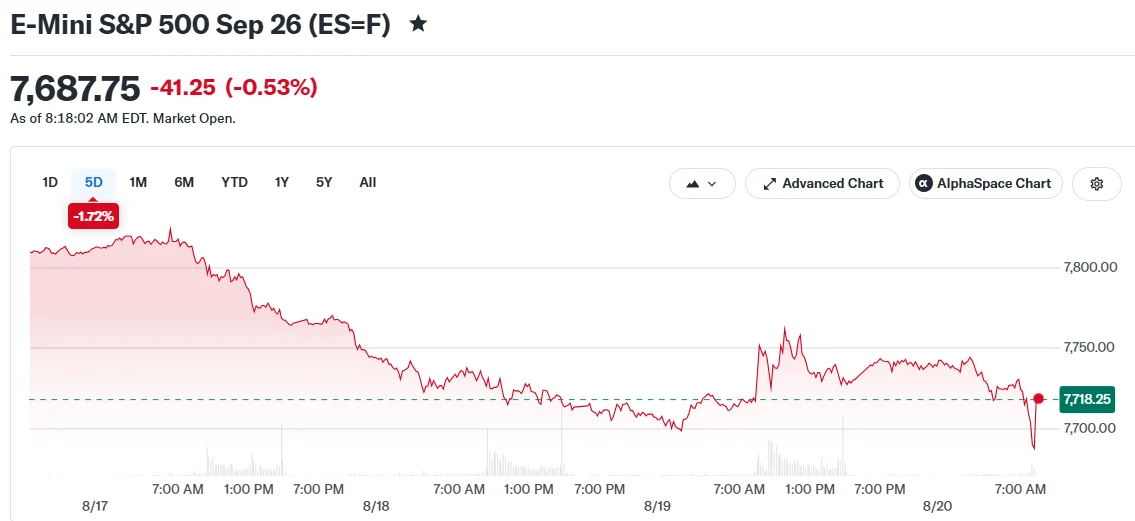
- Stock futures showed divergent moves Thursday morning: Dow futures down 0.1%, S&P 500 unchanged, Nasdaq 100 up 0.1%
- Walmart shares declined despite exceeding earnings forecasts, pressured by decelerating domestic revenue growth
- America’s national debt surpassed the $40 trillion milestone as President Trump announced aggressive economic measures against Iran
In an unexpected policy shift this week, the US Treasury Department revealed plans to significantly expand its buyback operations for longer-maturity government bonds. The strategy aims to apply downward pressure on long-term borrowing costs.
Following the Treasury’s announcement, the 10-year bond yield retreated to 4.65%, while the 30-year yield declined to 5.19%. However, the relief proved temporary as yields started edging higher again by Thursday’s opening, with the 10-year benchmark climbing back to 4.68%.
The intervention orchestrated by Treasury Secretary Scott Bessent helped stabilize financial markets during Wednesday’s trading session. Each of the three primary equity indexes finished the day with gains.
Thursday’s pre-market environment told a different story. Futures contracts for the Dow Jones Industrial Average declined 0.1%. The S&P 500 futures remained unchanged, while Nasdaq 100 futures advanced 0.1%.

According to Deutsche Bank’s macro strategist Henry Allen, while the expanded buyback volume isn’t particularly substantial on its own, “it offers a signal that officials are willing to support the long end.”
Cryptocurrency Markets Surge on Treasury Action
The most dramatic market response emerged in digital assets. Bitcoin rallied over 10% to breach the $70,000 level for the first time in more than four months.
The Treasury Department’s action contributed to dollar weakness. The US currency, already trading at its lowest point in three months, depreciated an additional 0.1% against major trading partners Thursday morning. Bitcoin has traditionally benefited from dollar weakness.
The bond market intervention has created potential complications for Federal Reserve policy. Chairman Kevin Warsh had been relying on market forces to assist with monetary tightening. Bessent’s intervention may undermine that framework.
Corporate Results and National Debt Concerns
Walmart delivered quarterly results Thursday that exceeded Wall Street estimates. Despite the earnings beat, shares retreated as investors focused on moderating growth in the company’s American operations.
Meanwhile, America’s outstanding debt obligations crossed the $40 trillion threshold. This represents more than a doubling of the debt load in fewer than ten years.
President Trump intensified his stance toward Iran, posting on Truth Social Wednesday night about forthcoming “ECONOMIC D-DAY” measures against the Islamic Republic. He characterized the planned actions as “economic warfare and isolation on an unprecedented scale.”
The president’s frustration has mounted over stalled negotiations regarding the reopening of the Strait of Hormuz shipping lane and broader Iran diplomacy.
Wednesday’s bond market rally appeared to lose momentum heading into Thursday’s session. Questions remain about whether the expanded buyback initiative can deliver sustained support for Treasury prices.
Market participants are monitoring yield movements carefully as the Treasury Department prepares for substantial debt issuance in coming months. The dollar’s persistent weakness combined with Bitcoin’s breakout above $70,000 represent the most definitive market reactions to date.
Get 3 Free Stock Ebooks
Discover top-performing stocks in AI, Crypto, and Technology with expert analysis.
- Top 10 AI Stocks - Leading AI companies
- Top 10 Crypto Stocks - Blockchain leaders
- Top 10 Tech Stocks - Tech giants



