



Key Takeaways
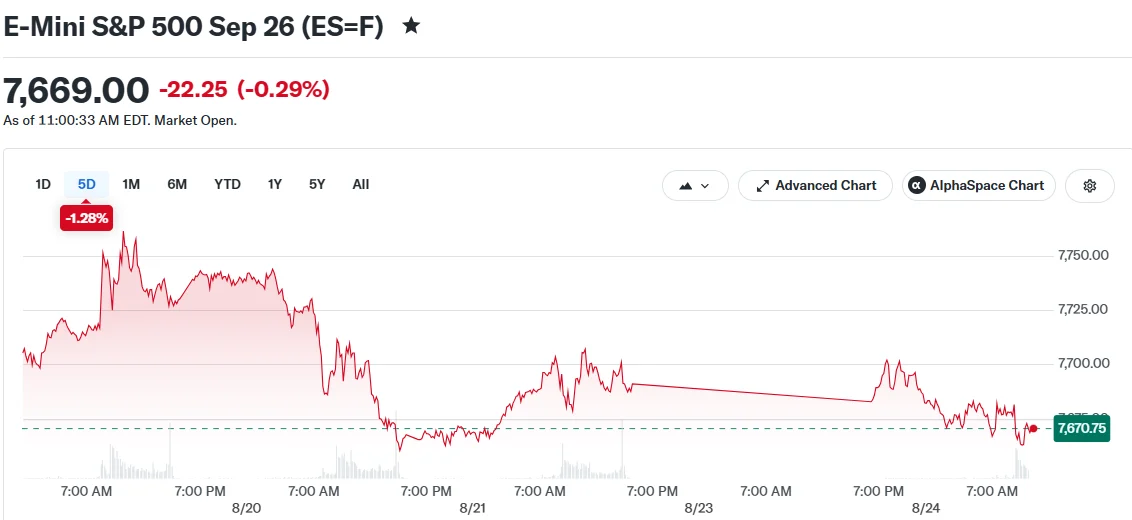
- Monday’s trading saw the S&P 500 decline 0.3% while the Nasdaq tumbled 0.8%; the Dow managed a 0.3% gain
- U.S.-imposed tariffs on Canadian goods sparked a collapse in bilateral trade negotiations and promises of retaliation
- President Trump announced potential 50% tariffs targeting Canadian automotive products and steel, effective January 2027
- Tech and chip sector stocks declined in anticipation of Nvidia’s Wednesday earnings announcement
- A comprehensive sanctions package against Iran is being unveiled, with Treasury Secretary Bessent providing details Monday
Wall Street experienced broad-based declines Monday as market participants navigated escalating international trade disputes, impending sanctions announcements, and a pivotal week for technology sector earnings.
The S&P 500 retreated 0.3% while the Nasdaq Composite tumbled 0.8%. Only the Dow Jones Industrial Average bucked the trend, advancing 0.3% for the session.
U.S.-Canada Trade Relations Deteriorate Rapidly
Bilateral trade discussions between Washington and Ottawa completely unraveled during the weekend following America’s implementation of fresh tariffs on Canadian imports. Prime Minister Mark Carney halted all ongoing negotiations and vowed reciprocal tariff measures.
President Trump subsequently announced plans to impose 50% tariffs on Canadian automobiles, automotive components, and steel products, with implementation targeted for January 1, 2027. Automotive giants General Motors and Ford saw their share prices decline following the announcement.
This automotive tariff warning intensified an already nervous market atmosphere. Trading sentiment was already subdued given the concentration of significant events scheduled for the coming days.

Technology and semiconductor equities bore the heaviest losses during Monday’s session. Sandisk and Micron declined after market intelligence indicated Apple is conducting evaluations of processors manufactured by Chinese firm CXMT.
Alibaba’s disclosure of a $10.2 billion equity offering aimed at financing its AI expansion plans created additional downward momentum across the chip industry.
Tehran Faces New Economic Pressure Campaign
Washington is rolling out an expansive sanctions framework targeting Iran’s economy. Additional information is anticipated Monday afternoon during remarks by Treasury Secretary Scott Bessent.
In a Financial Times opinion piece, Bessent characterized the initiative as the most substantial financial campaign ever directed at a hostile nation. Market participants awaited concrete policy details.
The benchmark 10-year Treasury yield decreased to 4.72%. Meanwhile, the 30-year bond yield slipped to 5.24%.
Nvidia Earnings Report Takes Center Stage
Market attention is firmly fixed on Nvidia, scheduled to announce quarterly results Wednesday. The chipmaker has emerged as the preeminent indicator of artificial intelligence investment trends, with its financial performance likely to influence overall market direction.
The iShares Semiconductor ETF continued its retreat Monday. Despite entering fresh bull market territory earlier this month, the benchmark index has encountered sustained selling activity recently.
According to Chris Larkin, managing director at E*TRADE from Morgan Stanley, earnings from Nvidia and comparable technology firms are “positioned to be a major weight on the market’s momentum scale.”
Federal Reserve Chairman Kevin Warsh is slated to deliver remarks Friday during the Jackson Hole economic symposium. Fixed-income traders will scrutinize his commentary for indications regarding monetary policy trajectory.
The convergence of tariff developments, Iranian sanctions implementation, and Nvidia’s financial disclosure creates one of the most event-dense periods market analysts have faced this year.
Get 3 Free Stock Ebooks
Discover top-performing stocks in AI, Crypto, and Technology with expert analysis.
- Top 10 AI Stocks - Leading AI companies
- Top 10 Crypto Stocks - Blockchain leaders
- Top 10 Tech Stocks - Tech giants



