


Key Highlights
- The retailer reported second quarter net sales of $26.5B, reflecting a 5.3% year-over-year increase and surpassing the $25.5B consensus
- Earnings per share surged to $4.11, doubling year-ago levels and significantly exceeding the $2.32 Wall Street forecast, with a $1.65 boost from tariff refunds
- A Supreme Court decision overturning Trump-era import tariffs resulted in a $994M pre-tax reimbursement for Target
- Comp sales climbed 3.8%, while digital comp sales advanced 8.7%
- Management elevated full-year EPS outlook to the upper end of $9.90-$10.90, versus the previous range of $7.50-$8.50
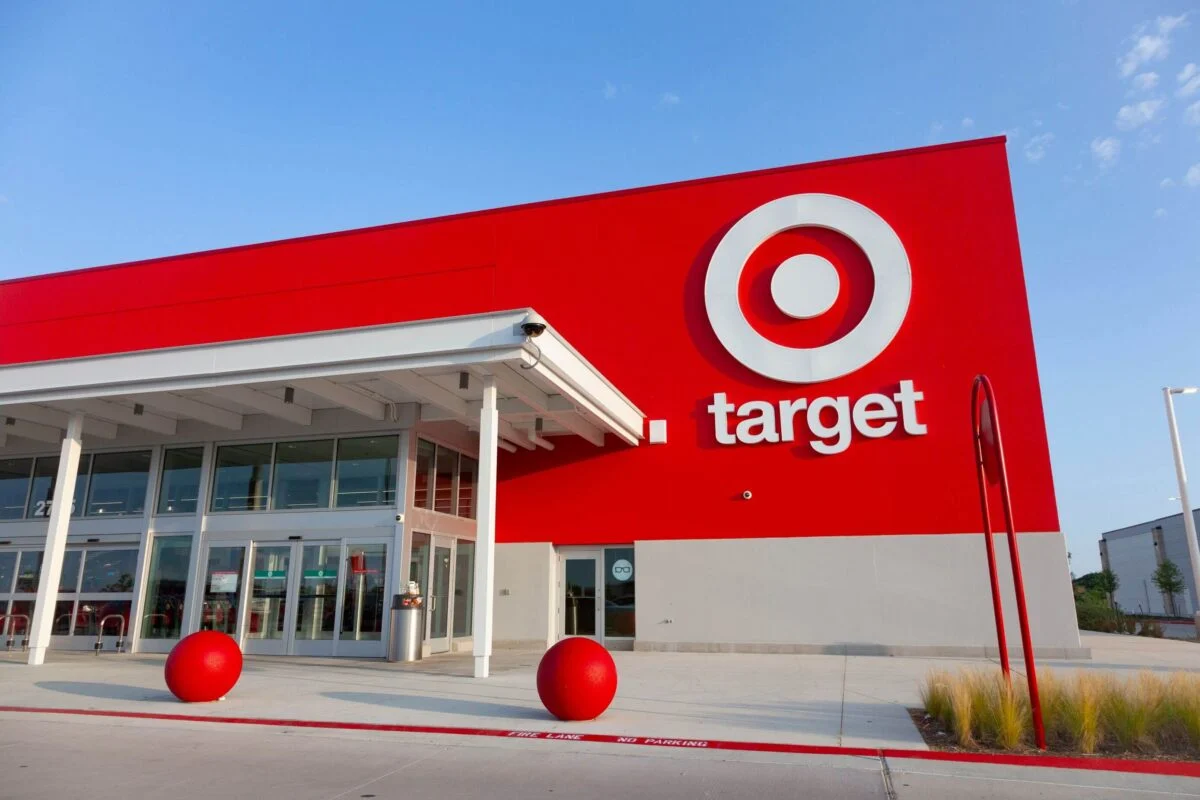
Shares of Target (TGT) advanced 4.28% to $159.00 during Wednesday’s trading session following the discount retailer’s impressive second quarter results and disclosure of a substantial tariff reimbursement totaling nearly $1 billion from the federal government.
The Minneapolis-based retailer delivered net sales of $26.5 billion, marking a 5.3% year-over-year gain and comfortably beating the Street’s $25.5 billion projection. Diluted earnings per share reached $4.11, representing a doubling from the prior-year period and crushing analyst expectations of $2.32.
The retail giant benefited from a $994 million pre-tax tariff reimbursement stemming from a Supreme Court decision that invalidated certain import tariffs implemented during the Trump administration. This windfall helped propel Q2 operating income to $2.6 billion, compared to $1.3 billion in the same quarter last year.
The tariff refunds contributed $1.65 to earnings per share. Gross margin expanded to 33.7%, up from 29% a year earlier and significantly above the 28.5% consensus estimate. The quarter benefited from a 370 basis point gross margin lift attributable to the tariff reimbursements.

Comparable store sales increased 3.8% versus the 2.43% estimate, a sharp reversal from the -1.9% comp decline recorded in the year-ago period. Digital comps showed particular strength, rising 8.7%.
Revenue grew across all major merchandise categories, with beauty and food products leading performance. Customer traffic improved, with transaction count up 3.6% and average basket size increasing 0.2%.
Strategic Transformation Showing Results
Chief Executive Officer Michael Fiddelke attributed the strong performance to comprehensive merchandising and operational changes underway at the company. Target has introduced 3,000 new beauty items spanning 60 brands, refreshed three-quarters of its home décor assortment, and rolled out a back-to-school collection that is more than half new products.
Target has implemented price reductions on over 10,000 items during the past year, primarily in food and beverage categories, positioning itself more competitively against rivals like Walmart and Kroger. Fiddelke indicated additional price investments are planned.
“We’re encouraged,” Fiddelke stated. “We laid out a plan for the year that had a lot of change in it, more change to what we were selling and how we were going to sell it than in the last decade.”
Jefferies analyst Corey Tarlowe characterized the effort as one of the most extensive merchandise resets in recent years and noted that improving customer traffic patterns are becoming evident in reported metrics. He suggested the market may be underestimating the sustainability of these traffic improvements.
Updated Financial Outlook
Management increased its full-year sales growth projection to approximately 5%, up from the previous 4% forecast.
Full-year earnings per share guidance now points to the upper end of the $9.90 to $10.90 range. This represents a significant upgrade from the prior high-end target of $7.50 to $8.50, and well above the $8.48 analyst consensus.
When adjusting for the tariff reimbursement impact, the midpoint of the revised guidance reflects a $0.75 improvement versus previous projections.
Capital spending during the second quarter totaled $1.4 billion, up 27% year-over-year, as the company accelerated store renovation projects and new location openings.
Target has significantly diversified its supply chain away from Chinese manufacturers, with only 30% of private-label merchandise currently sourced from China, down sharply from 60% in 2017.
Chief Financial Officer Jim Lee indicated the company plans continued investment in competitive pricing, though he did not provide specific details regarding allocation of the tariff refund proceeds.
Get 3 Free Stock Ebooks
Discover top-performing stocks in AI, Crypto, and Technology with expert analysis.
- Top 10 AI Stocks - Leading AI companies
- Top 10 Crypto Stocks - Blockchain leaders
- Top 10 Tech Stocks - Tech giants



