


Key Takeaways
- Anatoly Yakovenko, Solana’s co-founder, claims AI slowdown advocacy centers on securing “profitability at $1 trillion mcap”
- Dario Amodei from Anthropic released an essay advocating reduced pace in AI advancement due to security concerns
- Both Sam Altman from OpenAI and Elon Musk expressed support for Amodei’s slowdown initiative
- David Sacks, former White House AI policy adviser, argued major AI companies should self-regulate without imposing industry-wide restrictions
- Financial markets remained stable despite slowdown discussions when trading opened Monday
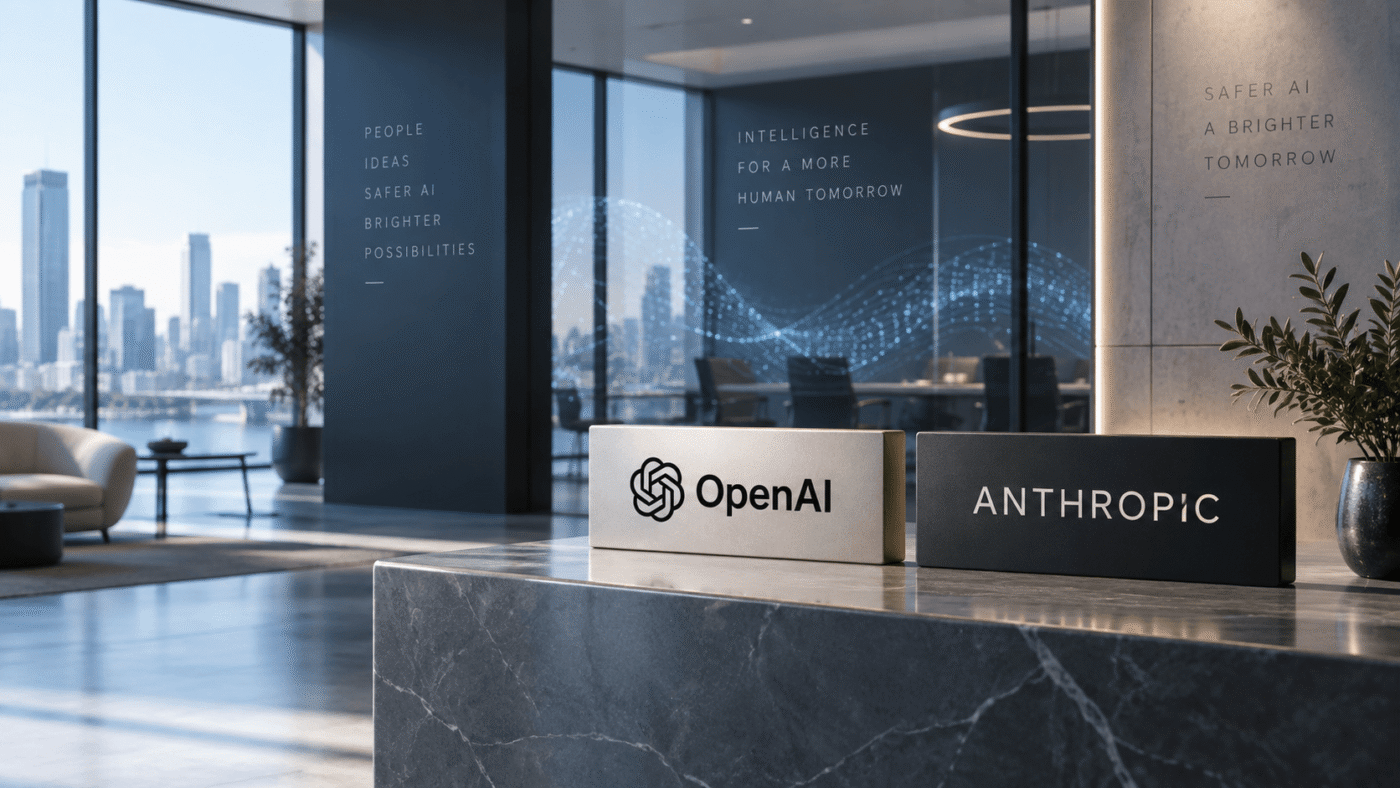
Solana co-founder Anatoly Yakovenko challenged prominent AI industry figures after Dario Amodei of Anthropic, Sam Altman of OpenAI, and Elon Musk publicly endorsed reducing the pace of artificial intelligence advancement.
Yakovenko’s response was succinct and pointed. He took to X with a terse four-word statement: “Profitability at $1 trillion mcap.” No companies were explicitly mentioned, nor did he provide supporting financial analysis.
The implication was unmistakable. Yakovenko appeared to argue that calls for AI deceleration stem not from genuine safety concerns but from attempts by dominant players to cement their market advantages upon reaching trillion-dollar market capitalizations.
In a subsequent post, Yakovenko mentioned instructing his Codex to reduce token usage, seemingly satirizing the concept of artificially halting AI advancement.
Amodei’s Proposal Breakdown
Amodei released an essay entitled “We Must Pace the Frontier,” advocating for a measured reduction in AI capability advancement rather than complete cessation of development.
The proposal outlines three distinct phases. Initially, Anthropic would grant external evaluators continuous access comparable to what internal safety teams receive. METR, the Model Evaluation and Threat Research organization, was cited as a potential partner.

The second phase involves leading AI firms in democratic nations establishing unified safety standards. Amodei recognized potential antitrust implications and suggested limited governmental oversight might be necessary.
Finally, he suggested global coordination efforts, potentially including China, covering areas from AI-powered weaponry restrictions to automated model enhancement controls.
On September 12, Altman publicly backed the framework, stating “I agree with Dario that we need to pace the frontier.” He committed to allowing independent evaluators employee-equivalent access and promised additional details forthcoming.
Musk’s endorsement was characteristically brief. He reshared Amodei’s essay with the comment “Dario is right,” Reuters reported. He didn’t elaborate on which specific elements he supported.
Sacks Raises Concerns
David Sacks, who previously advised the White House on AI and cryptocurrency matters, contended that Anthropic and OpenAI could independently moderate their development pace without imposing regulatory frameworks across the entire sector.
He characterized the two firms as maintaining a “duopoly on frontier intelligence” and warned that broad regulations might devastate smaller competitors and open-source initiatives that have been narrowing the technology gap.
Sacks expressed skepticism about international AI coordination, predicting China would ignore such agreements. He cautioned that limiting American research facilities could constitute voluntary technological handicapping.
Neither Anthropic nor OpenAI has issued official responses to the critiques from Yakovenko or Sacks.
Financial markets exhibited no signs of concern. Industry observers noted that decelerating cutting-edge model development doesn’t necessarily translate to reduced overall AI infrastructure investment.
By September 13, Anthropic had pledged to implement external evaluations but hasn’t announced implementation timelines or identified specific evaluation partners.
Get 3 Free Stock Ebooks
Discover top-performing stocks in AI, Crypto, and Technology with expert analysis.
- Top 10 AI Stocks - Leading AI companies
- Top 10 Crypto Stocks - Blockchain leaders
- Top 10 Tech Stocks - Tech giants



