


Key Takeaways
- Following Congressional inaction on the CLARITY Act, the SEC unveiled “Regulation Crypto Assets,” a comprehensive new regulatory framework
- Token issuers can choose between two fundraising options: a $5 million cap over four years or $75 million within 12 months
- The framework includes safe harbor language shielding qualifying crypto tokens from investment contract designation
- Once published in the Federal Register, stakeholders will have a 60-day window to submit feedback
- Despite this regulatory action, SEC Chair Paul Atkins emphasizes that Congressional legislation remains critical for lasting crypto oversight
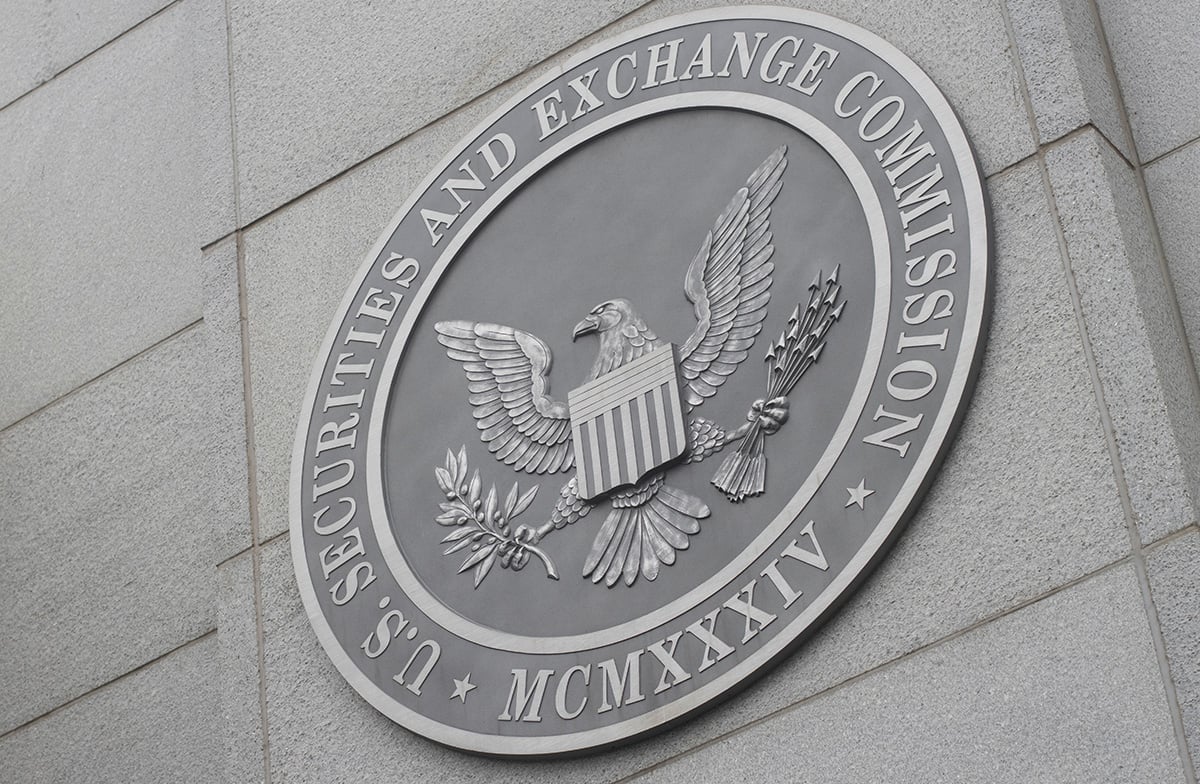
In a significant regulatory development, the SEC has introduced its inaugural formal crypto regulatory proposal during Paul Atkins’ tenure as Chair, following the Senate’s inability to move forward with the Digital Asset Market Clarity Act prior to its August congressional break.
Dubbed “Regulation Crypto Assets,” this newly unveiled regulatory structure aims to establish clear pathways for cryptocurrency enterprises to secure funding while circumventing automatic securities law implications.
Dual Pathways for Token Issuance
The regulatory framework presents token issuers with two distinct pathways. The initial option caters to emerging companies, permitting them to secure up to $5 million through token sales across a four-year timeframe, with mandatory public documentation required at both the beginning and conclusion of this period.
The alternative pathway accommodates larger offerings, enabling companies to raise as much as $75 million within any consecutive 12-month span. This route carries more demanding compliance obligations, including mandatory financial statement disclosures and continuous reporting duties.
Under both pathways, companies must furnish investors with what the SEC characterizes as “principles-based narrative disclosures.” Additionally, both options remain subject to current anti-fraud provisions and market manipulation enforcement mechanisms.
Protective Harbor Provisions for Digital Assets
A notable component of the proposal establishes a safe harbor mechanism that would permit qualifying crypto tokens to escape categorization as “investment contracts” under federal securities legislation.

Upon fulfillment of all committed managerial responsibilities by a token issuer, the investment contract associated with that digital asset would cease to be regarded as a potential security. This approach aligns with earlier guidance the SEC had distributed.
Atkins stated the commission is “charting a new course” to facilitate cryptocurrency innovation within the United States.
Legislative Action Remains Essential
Notwithstanding the SEC’s regulatory initiative, Atkins emphasized that Congressional legislation continues to be indispensable. He noted that enduring regulations must be “future-proofed” to withstand potential reversal by subsequent regulatory administrations.
Prior to its recess, the Senate initiated cloture procedures on the CLARITY Act, enabling senators to potentially revisit the legislation when they reconvene in mid-September. Following their return, legislators face approximately 14 active session days before another recess preceding November elections, followed by 22 days before the incoming Congress convenes in 2027.
White House crypto adviser Patrick Witt cautioned that regulators would “let loose” on cryptocurrency regulations should Congress remain inactive.
The regulatory proposal had initially been anticipated to emerge from an August 14 SEC meeting, which was abruptly cancelled due to what the agency described as an “unforeseen scheduling issue.”
Cryptocurrency industry organizations expressed approval of the development. Digital Chamber CEO Cody Carbone acknowledged that the SEC integrated recommendations from cryptocurrency companies and committed to continued collaboration with the agency.
The public feedback period will commence upon the proposal’s publication in the Federal Register, providing a 60-day timeframe for comment submissions.
Get 3 Free Stock Ebooks
Discover top-performing stocks in AI, Crypto, and Technology with expert analysis.
- Top 10 AI Stocks - Leading AI companies
- Top 10 Crypto Stocks - Blockchain leaders
- Top 10 Tech Stocks - Tech giants



