


Key Takeaways
- Federal court issued a $31.48 million judgment against Fundsz operators Brian Early and Alisha Ann Kingrey.
- Defendants deceived investors regarding profits, trading results, and risk exposure.
- Early and Kingrey attempted to erase profitability statements and delete Fundsz social media accounts upon discovering the CFTC probe.
- The Larralde estate faces forfeiture of a residential property plus over $2.7 million in additional assets.
- Lifetime trading prohibitions and consent agreements finalize all outstanding claims in the CFTC enforcement action.
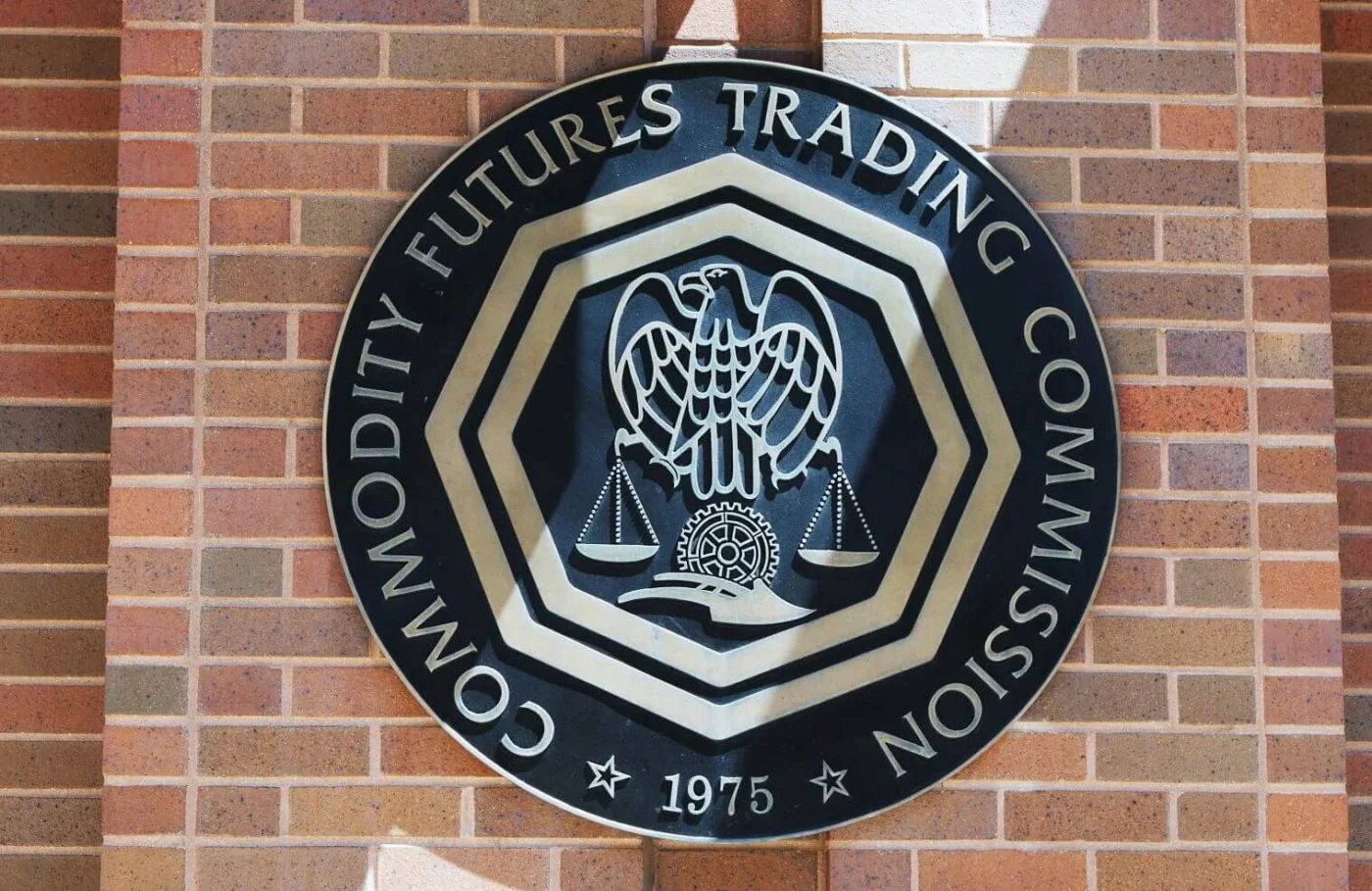
The Commodity Futures Trading Commission announced a significant court ruling on September 30 against two individuals behind Fundsz in a cryptocurrency and precious metals fraud scheme. Brian Early and Alisha Ann Kingrey face combined financial penalties exceeding $31 million.
Federal Court Delivers Fundsz Fraud Ruling
The U.S. District Court for the Middle District of Florida issued a default judgment targeting both defendants. The case centered on Fundsz, which operated as an unincorporated entity through its website platform.
Judicial orders require $15,732,455 in restitution payments alongside a matching $15,752,455 civil monetary penalty. The court additionally established lifetime prohibitions on trading and registration activities, while mandating compliance with federal commodities regulations.
Early and Kingrey held positions on the Fundsz board while managing its Telegram community. Evidence demonstrated that they provided misleading information to participants regarding profit expectations, historical trading performance, and financial loss potential.
This ruling arrives shortly after a distinct Cash FX Group lawsuit initiated on September 25. That enforcement action accused defendants of collecting over $950 million through deceptive foreign exchange investment operations.
Judicial Findings on Trading Algorithm and Withdrawals
Court records reveal that Early and Kingrey promoted a supposedly proprietary trading algorithm through false advertising. They promised participants the ability to access their funds with accrued interest following a 180-day period.

Upon becoming aware of the CFTC’s investigation, both defendants changed their approach to profit-related statements. Evidence shows they attempted to eliminate Fundsz’s social media footprint. Meanwhile, updated crypto guidance released on September 24 covered tokenized assets and blockchain documentation. The regulatory framework permits specific tokenized investment products that maintain equivalent investor rights while ensuring proper custody and client fund protection.
Additional Defendants Subject to Court Agreements
The court processed consent orders concerning Juan Pablo Valcarce and the estate of Rene Larralde. Following Larralde’s death in 2023, Rachel Larralde assumed representation of the estate in legal proceedings.
Judicial orders compel the estate representative to relinquish a residential property acquired using investor funds, along with additional holdings valued above $2.7 million. These assets will transfer to the court-appointed receiver managing asset recovery.
Regulatory oversight expanded further when a congressional trading investigation broadened on September 29 to encompass Crypto.com, Hyperliquid Labs, and PredictIt. Legislative officials demanded documentation regarding customer verification procedures and suspicious trading monitoring systems, establishing an October 13 deadline for responses.
Valcarce received lifetime prohibitions on trading and registration activities. The court imposed additional restrictions preventing future legal violations. The CFTC confirmed that the judgment and consent agreements conclude all pending claims in the Fundsz enforcement matter.
Get 3 Free Stock Ebooks
Discover top-performing stocks in AI, Crypto, and Technology with expert analysis.
- Top 10 AI Stocks - Leading AI companies
- Top 10 Crypto Stocks - Blockchain leaders
- Top 10 Tech Stocks - Tech giants



