


Key Takeaways
- Over the past year, RKLB stock has surged 43.7%, significantly outperforming competitors in the aerospace sector.
- ARK Investment Management, led by Cathie Wood, acquired more than 705,000 shares of RKLB across two trading sessions, totaling approximately $44 million.
- CEO Peter Beck acknowledged that the launch window for Neutron before year-end is “narrowing,” presenting both opportunity and uncertainty.
- Blue Origin secured a $700 million contract from NASA for Mars communications infrastructure, disappointing RKLB investors.
- The company’s contract backlog reached an all-time high of $2.36 billion, representing a 137% increase year-over-year.
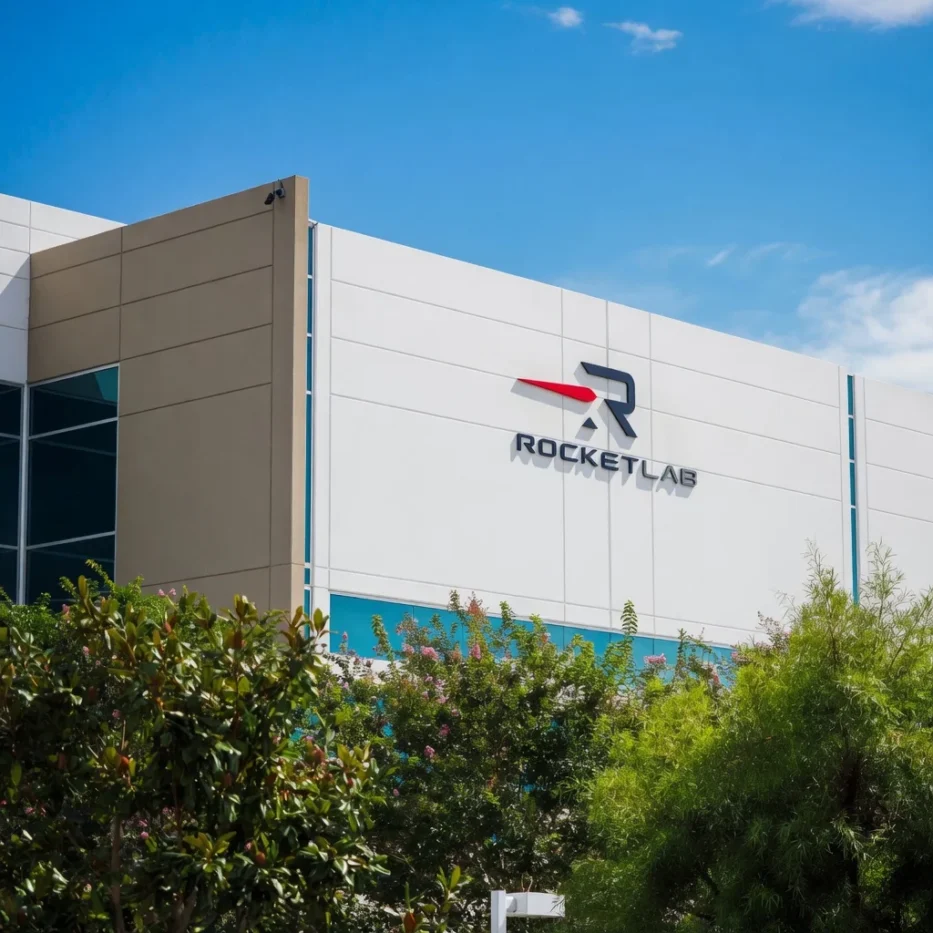
Shares of Rocket Lab (RKLB) are currently hovering near $62.54, reflecting a 2.2% decline on Tuesday and representing a sharp 50% pullback from the May peak. Yet amid this downturn, ARK Investment Management has stepped up its buying activity, accumulating 705,102 shares worth approximately $44 million across two consecutive sessions.
On Tuesday specifically, ARK purchased 504,799 shares distributed among three of its ETFs, representing around $31.6 million in value based on the closing price.
This aggressive accumulation occurs against a backdrop of sustained selling pressure, with RKLB declining in nine out of the last ten trading sessions before extending losses in after-hours trading.
Analyst sentiment remains cautiously optimistic despite recent volatility. Bank of America analyst Ronald Epstein adjusted his price target downward to $110 from $115 on August 31, citing increased share dilution expectations, while maintaining his Buy recommendation. Even with this revision, the target suggests approximately 76% upside potential from Tuesday’s closing level.

Following second-quarter earnings, Cantor Fitzgerald analyst Andres Sheppard raised his target to $122 from $96, identifying Neutron as “the most material catalyst” for future growth. Meanwhile, Roth Capital’s Suji Desilva reduced his target from $130 to $110 while preserving his Buy rating, highlighting that the robust backlog provides “meaningful near-term revenue coverage.”
The Neutron Factor
Rocket Lab’s upcoming Neutron rocket represents the company’s most critical development initiative. Designed to compete in the medium-lift launch segment, Neutron would dramatically expand the company’s capabilities beyond what its smaller Electron vehicle can accomplish.
However, CEO Peter Beck tempered expectations during the Q2 earnings call, acknowledging that the timeframe for achieving a maiden launch before year-end is “narrowing.” Critical testing phases remain incomplete ahead of any potential flight. Should Neutron experience additional delays, the ambitious growth projections supporting Wall Street’s elevated price targets could face significant revision.
The orbital launch industry continues to face capacity constraints, positioning Rocket Lab favorably if it executes according to plan. The Electron rocket has successfully completed 87 missions to date, while the HASTE program serves various government applications. In total, Rocket Lab has secured commitments for over 90 launches spanning Electron, HASTE, and the forthcoming Neutron platform.
NASA Contract Setback and Growing Pipeline
Investor sentiment faced another challenge after Tuesday’s market close when NASA announced that Blue Origin won the Mars Telecommunications Network contract. The firm-fixed-price agreement carries a potential value of up to $700 million, with Blue Origin responsible for deploying a Mars-orbiting communications satellite by late 2028. Rocket Lab had been among the companies eligible to bid for this opportunity.
Despite this setback, the company’s Q2 2026 backlog climbed to a record $2.36 billion, marking a 137% increase compared to the previous year. Approximately 45.5% of this contracted work is scheduled for revenue recognition within the next twelve months.
Recent strategic acquisitions of Mynaric and Motiv have expanded Rocket Lab’s technical portfolio to include optical communications systems and advanced robotics. In August 2026, the company secured a position on the U.S. Space Force’s NITE-STAR IDIQ program, which features a $981 million contract ceiling covering both space-based and ground infrastructure systems.
Analyst consensus estimates for RKLB’s 2026 earnings per share have improved by 44.44% during the past 60 days. The company maintains a debt-to-capital ratio of just 0.83%, substantially below the industry standard of 61.47%. Its current ratio stands at 5.48, compared to the sector average of 2.06.
RKLB currently commands a forward Price/Sales multiple of 31.3X, representing a considerable premium to the industry average of 7.64X.
Get 3 Free Stock Ebooks
Discover top-performing stocks in AI, Crypto, and Technology with expert analysis.
- Top 10 AI Stocks - Leading AI companies
- Top 10 Crypto Stocks - Blockchain leaders
- Top 10 Tech Stocks - Tech giants



