


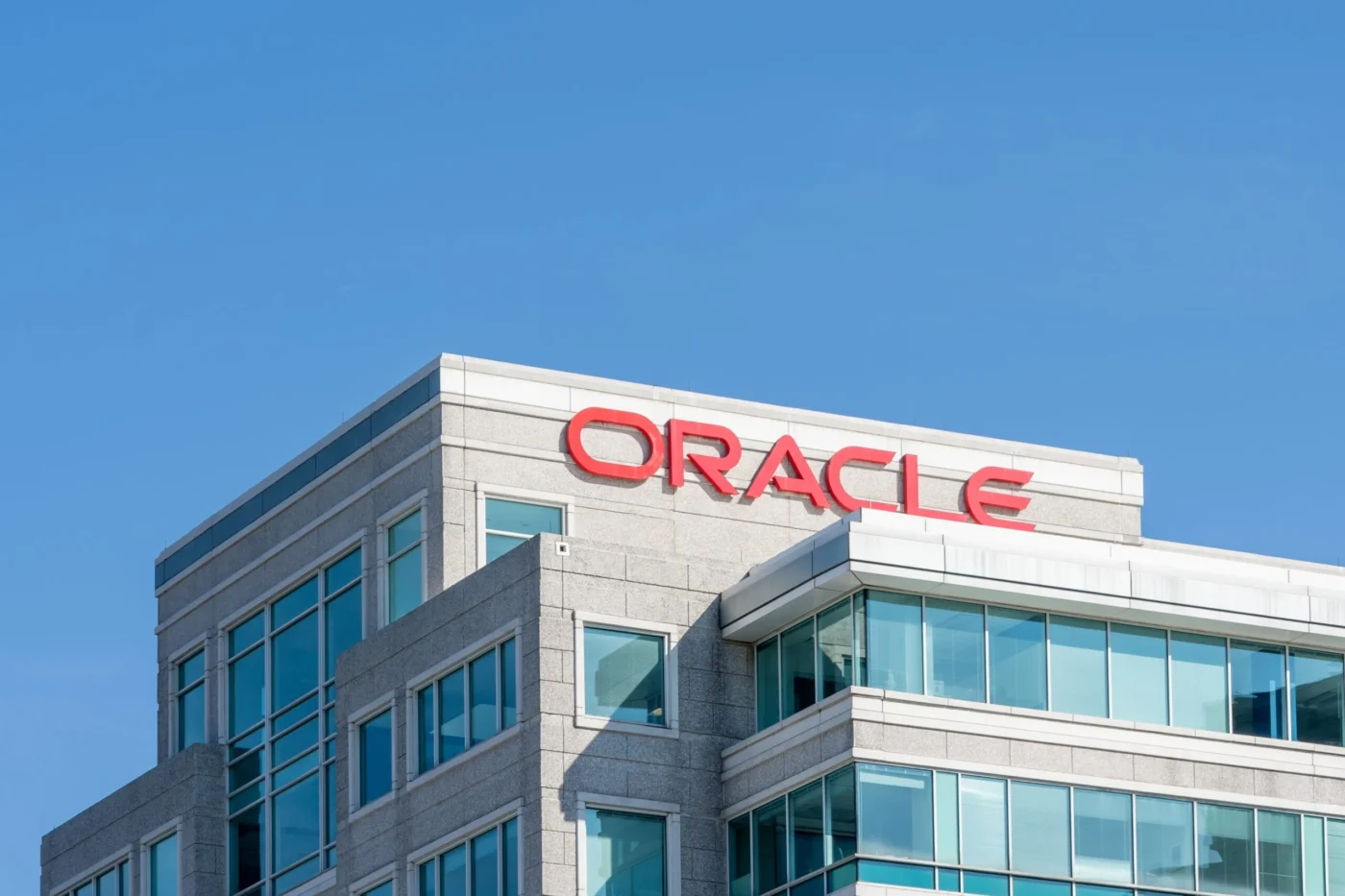
Key Highlights
- Larry Ellison withdrew plans to sell 50 million Oracle shares valued at approximately $7.5 billion, offering no public rationale for the reversal.
- ORCL shares trade near $154, reflecting a 22% decline year-to-date and sitting 54% below record highs.
- Barclays increased its ORCL price objective to $252 while maintaining an Overweight stance following strong quarterly performance.
- The tech giant delivered Q1 revenue of $19.3 billion, representing 30% growth year-over-year, powered by 121% cloud infrastructure expansion.
- Management elevated full-year revenue projections to a minimum of $90 billion, marking a 34% jump from the previous fiscal period.
In a surprise move announced Saturday, Larry Ellison has withdrawn a previously disclosed plan to divest 50 million Oracle shares valued at roughly $7.5 billion. The company provided no explanation for the decision.
“No Oracle stock was sold under that plan, and he has no other plans to sell any of his Oracle stock,” the company stated officially.
This development arrives with ORCL shares hovering around $154, representing a 22% year-to-date decline and a 54% drop from peak levels.
Analyst Optimism Following Exceptional Quarter
Barclays elevated its Oracle price objective to $252 from the previous $250 target, reaffirming its Overweight recommendation. The firm pointed to Oracle’s impressive Q1 performance and improving capital availability trends.
The enterprise software leader reported quarterly revenue reaching $19.3 billion for the period ending in August, marking 30% year-over-year expansion. Notably, this represented the first instance of sequential Q1 revenue growth, which CFO Hilary Maxson characterized as a significant indicator.

Cloud infrastructure revenue surged 121% to reach $7.4 billion. Cloud applications increased 10%, with Fusion and vertical-specific applications experiencing even stronger momentum.
Non-GAAP operating income advanced 31% to $8.2 billion. Adjusted earnings per share reached $1.92, climbing 30% from the prior-year period.
A particularly noteworthy metric emerged from the results. Oracle’s remaining performance obligations, representing contracted future revenue streams, expanded by $26 billion throughout the quarter. A substantial portion originated from customer prepayments or bring-your-own-hardware arrangements, reducing Oracle’s capital requirements for fulfillment.
Financial Position Requires Monitoring
Oracle’s borrowing levels have accelerated rapidly. Total debt reached $155.9 billion on a trailing twelve-month basis, up sharply from $90.5 billion two years earlier. Net debt currently stands at $118.9 billion.
Free cash flow registered negative $28.7 billion over the trailing twelve months, primarily due to capital investments totaling $75.7 billion. The company deployed $28 billion in CapEx during the most recent quarter alone.
Full-year capital expenditure is projected to range between $90 billion and $95 billion. Operating cash flow reached a record $46.9 billion over the trailing twelve months, with Maxson noting that new data center facilities generate robust free cash flow rapidly following operational ramp-up.
During the quarterly conference call, Co-CEO Clay Magouyrk responded to analyst questions regarding data center project delays in New Mexico and Wisconsin. He clarified that neither location would impact FY2027 revenue or earnings projections.
GPU utilization maintained its 97.9% level throughout the quarter. Capacity undergoing contract renewal commanded a 20% premium compared to previous agreements.
Oracle elevated full-year revenue guidance to a minimum of $90 billion and increased non-GAAP EPS guidance to $8.10. Second-quarter revenue growth is anticipated between 30% and 34%, with cloud revenue projected to grow 65% to 71%.
The company also revealed plans for an October Investor Day, where leadership intends to provide additional details regarding margin performance and long-term strategic guidance.
Get 3 Free Stock Ebooks
Discover top-performing stocks in AI, Crypto, and Technology with expert analysis.
- Top 10 AI Stocks - Leading AI companies
- Top 10 Crypto Stocks - Blockchain leaders
- Top 10 Tech Stocks - Tech giants



