


Key Highlights
- The New York Stock Exchange is creating a blockchain-based settlement system for tokenized securities through parent organization Intercontinental Exchange
- Features include round-the-clock trading capabilities, immediate settlement, fractional ownership options, and stablecoin payment integration
- NYSE joined DTCC’s tokenization pilot program in July with participation from BlackRock, Goldman Sachs, JPMorgan and over 30 financial institutions
- SEC filing from April enables tokenized securities to trade on NYSE platforms alongside conventional shares under current regulations
- DTCC’s comprehensive Tokenization Service is scheduled to debut in October after completing July production testing
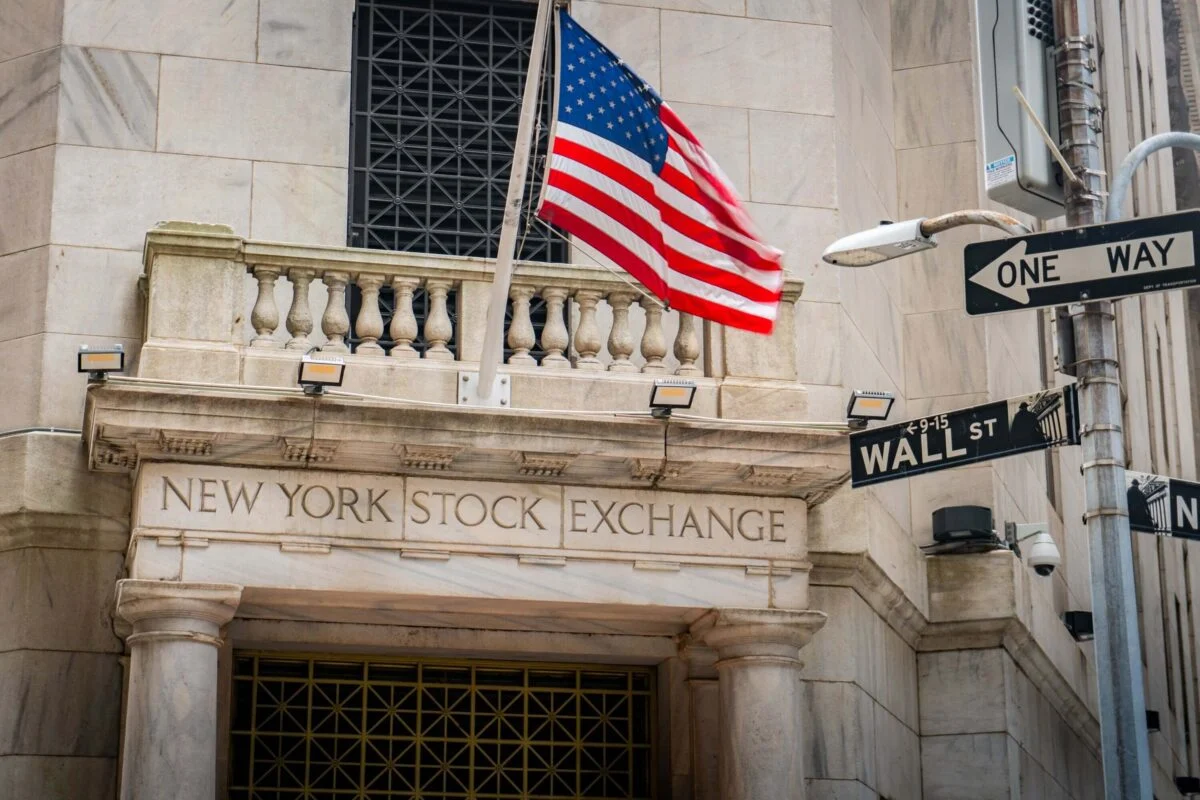
The New York Stock Exchange has unveiled plans for a blockchain-powered infrastructure designed to facilitate trading and settlement of tokenized securities. Intercontinental Exchange, the parent entity of NYSE, revealed this strategic initiative on January 19, 2026.
This innovative infrastructure combines NYSE’s established Pillar matching engine with blockchain technology for post-execution processes. The system is engineered to enable continuous 24/7 trading, instantaneous settlement, fractional ownership capabilities, dollar-based order placement, stablecoin payment options, and compatibility with various blockchain protocols.
Current US equity transactions operate under a T+1 settlement framework, requiring one business day following trade execution for completion. The NYSE blockchain platform aims to introduce atomic settlement, where trade execution and ownership transfer occur simultaneously.
Integration of stablecoin payments represents a crucial component for enabling continuous trading operations. While traditional banking systems remain closed during weekends, stablecoins function continuously. This capability would permit traders to finance positions beyond conventional banking operating hours.
Lynn Martin, President of NYSE, discussed the platform during a National Assembly seminar held in Seoul on August 10. She characterized the financial sector as standing at a “critical turning point between traditional finance and DeFi.”
NYSE Participated in DTCC’s July Tokenization Initiative Alongside Leading Financial Institutions
Martin verified that NYSE participated in the Depository Trust Company’s tokenization pilot conducted in July. DTCC confirmed NYSE was one of more than 30 organizations engaged in live production transactions executed on July 15.

Additional participants featured BlackRock, Goldman Sachs, JPMorgan, Nasdaq, Circle, Ondo Finance, Citadel Securities, and Vanguard.
The pilot program transformed securities maintained at DTC into tokenized versions and utilized them in actual transactions. Testing encompassed equity delivery mechanisms, Treasury and repurchase agreement operations, securities lending activities, collateral commitment processes, and central counterparty margin procedures.
Transactions operated through DTCC’s proprietary Besu network and the public Canton network. This initiative followed a December 2025 SEC staff no-action letter authorizing DTC to conduct a three-year tokenization pilot program.
DTCC has scheduled the introduction of its expanded Tokenization Service for October.
Regulatory Framework Already Established
NYSE submitted documentation to the SEC in April 2026 requesting authorization for qualified tokenized securities to trade on its current exchange platform alongside conventional shares. The submission took effect immediately upon filing.
According to this regulatory structure, tokenized shares may trade on identical order books as traditional shares when they possess matching tickers, CUSIP identifiers, rights, and privileges. Qualifying securities encompass Russell 1000 constituents and prominent index ETFs.
Transactions conducted within the DTC pilot structure continue to settle under T+1 protocols. This differs from NYSE’s proposed digital infrastructure, which aims for instantaneous settlement and awaits regulatory clearance.
In March, NYSE established a partnership agreement with Securitize, designating it as the inaugural digital transfer agent authorized to create blockchain-native securities for the new infrastructure. No official launch timeline has been announced as of early August 2026.
Get 3 Free Stock Ebooks
Discover top-performing stocks in AI, Crypto, and Technology with expert analysis.
- Top 10 AI Stocks - Leading AI companies
- Top 10 Crypto Stocks - Blockchain leaders
- Top 10 Tech Stocks - Tech giants



