


Key Takeaways
- Nvidia’s CFO Colette Kress revealed memory pricing has surpassed earlier projections and will continue climbing through next year
- Supplier commitments from Nvidia have surged to $279 billion, representing a massive increase from the prior quarter’s $119 billion
- Industry research from Susquehanna indicates DRAM could rise more than 50% this quarter, while NAND flash may surge 60%
- Analyst consensus for Micron has reached approximately $1,525, with KeyBanc’s target topping out at $1,750
- The memory chip manufacturer delivered record quarterly revenue of $41.46 billion and projects roughly $50 billion for the current period
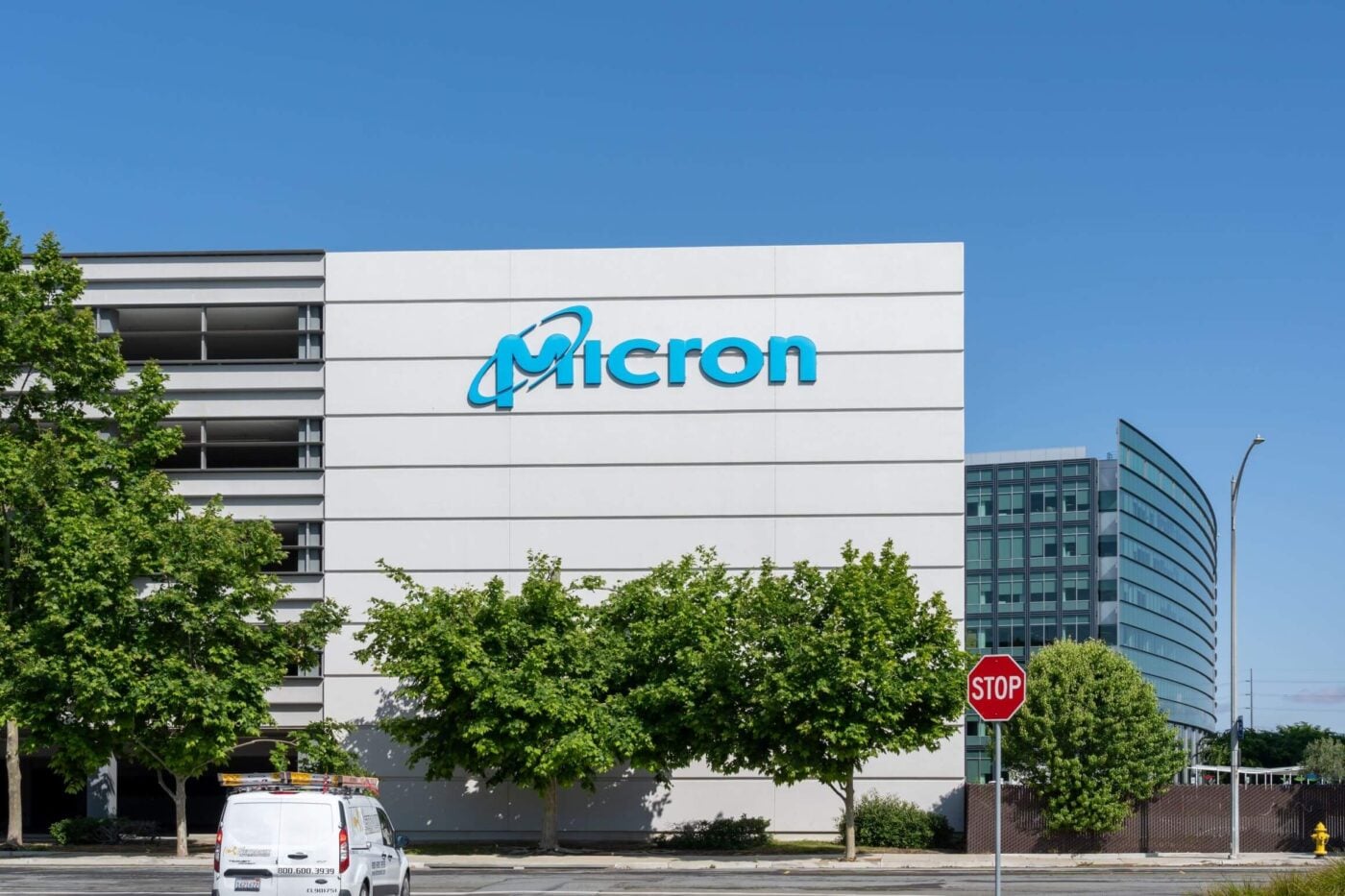
Shares of Micron Technology (MU) ended Wednesday’s session at $938.40 before climbing an additional 3.09% in after-hours trading Thursday to approximately $967.35, following revelations from Nvidia’s quarterly earnings discussion that highlighted accelerating memory costs.
During Nvidia‘s quarterly financial call, CFO Colette Kress revealed that memory cost escalations had “exceeded prior expectations” and showed no signs of slowing into the following year. The graphics chip giant posted quarterly revenue of $96.2 billion, representing a year-over-year doubling, although gross profit margins faced headwinds from escalating memory expenses.
CEO Jensen Huang offered no indication of scaling back memory procurement. Rather, he emphasized the company’s collaboration with all three leading suppliers—Micron, Samsung, and SK Hynix—to expand production capacity.
The chip giant’s total supplier obligations have ballooned to $279 billion from the previous quarter’s $119 billion. According to William Blair analyst Sebastien Naji, memory components represent more than half of these supply commitments.

“The memory shortage we’re seeing today is largely a consequence of the AI infrastructure expansion,” Kress explained during the call.
Research released Monday by Susquehanna indicated DRAM costs could surge over 50% during the current quarter. NAND flash pricing may spike by as much as 60%. Gartner forecasts global semiconductor revenue reaching approximately $1.6 trillion in 2026, with memory chips alone accounting for roughly $837.3 billion.
Analysts Boost Price Projections
BMO Capital initiated coverage on August 21 with an Outperform recommendation and $1,300 price objective. KeyBanc maintains an Overweight stance with a $1,750 projection. The Wall Street consensus average currently hovers near $1,476, representing roughly 60% upside from present levels.
However, not all market watchers share the bullish outlook. TipRanks five-star analyst Louis Gerard downgraded MU to Hold, citing a GAAP price-to-earnings multiple of 21.99x versus SK Hynix at 7.33x and Samsung at 12.14x. Gerard contended that earnings growth stemmed primarily from pricing power rather than volume expansion.
Stifel’s Ruben Roy observed that Nvidia absorbed a portion of the memory cost increases rather than fully passing them along across its product lineup. This strategy reduces potential concerns about resistance from Nvidia or its end customers.
Executive Restructuring at Micron
The memory manufacturer also unveiled leadership changes Wednesday. Manish Bhatia assumes the position of president and chief operating officer, managing manufacturing operations, customer requirements, and pricing strategy. Scott DeBoer transitions to president and chief technology and products officer, directing the memory and storage technology development. Sumit Sadana shifts into a senior adviser capacity.
CEO Sanjay Mehrotra characterized the current memory landscape as fundamentally transformed, supported by $22 billion in customer prepayments spanning 16 strategic supply partnerships.
“Memory has evolved beyond commodity status. It represents significant value now,” Mehrotra stated.
The company delivered record third-quarter revenue of $41.46 billion and projects approximately $50 billion for the current quarter, with adjusted gross margin approaching 86%. Its HBM4 products are currently shipping at scale, while HBM4E development progresses toward a 2027 launch. The next quarterly report arrives September 30, with earnings per share anticipated at $31.26 compared to $3.03 in the year-ago period.
Get 3 Free Stock Ebooks
Discover top-performing stocks in AI, Crypto, and Technology with expert analysis.
- Top 10 AI Stocks - Leading AI companies
- Top 10 Crypto Stocks - Blockchain leaders
- Top 10 Tech Stocks - Tech giants



