


TLDR
- Micron shares advanced 3.3% Tuesday, reaching $980.58, extending a 9.9% rally from Monday as buyers stepped in after last week’s AI-related market turbulence.
- The downturn was sparked by Broadcom’s underwhelming revenue outlook, which pressured memory chip stocks across the board.
- UBS analyst Nicolas Gaudois labeled the decline a buying “opportunity,” reaffirming his Buy rating with a $1,625 price target on the stock.
- Goldman Sachs upgraded its 12-month price target for Micron to $900 from $400, boosting revenue and EPS projections by 28% and 36% respectively, though maintaining a Neutral stance.
- Goldman anticipates Micron will exceed consensus revenue expectations by approximately 9% in its upcoming fiscal Q3 report, projecting $37.6B versus the Street’s $34.4B estimate.
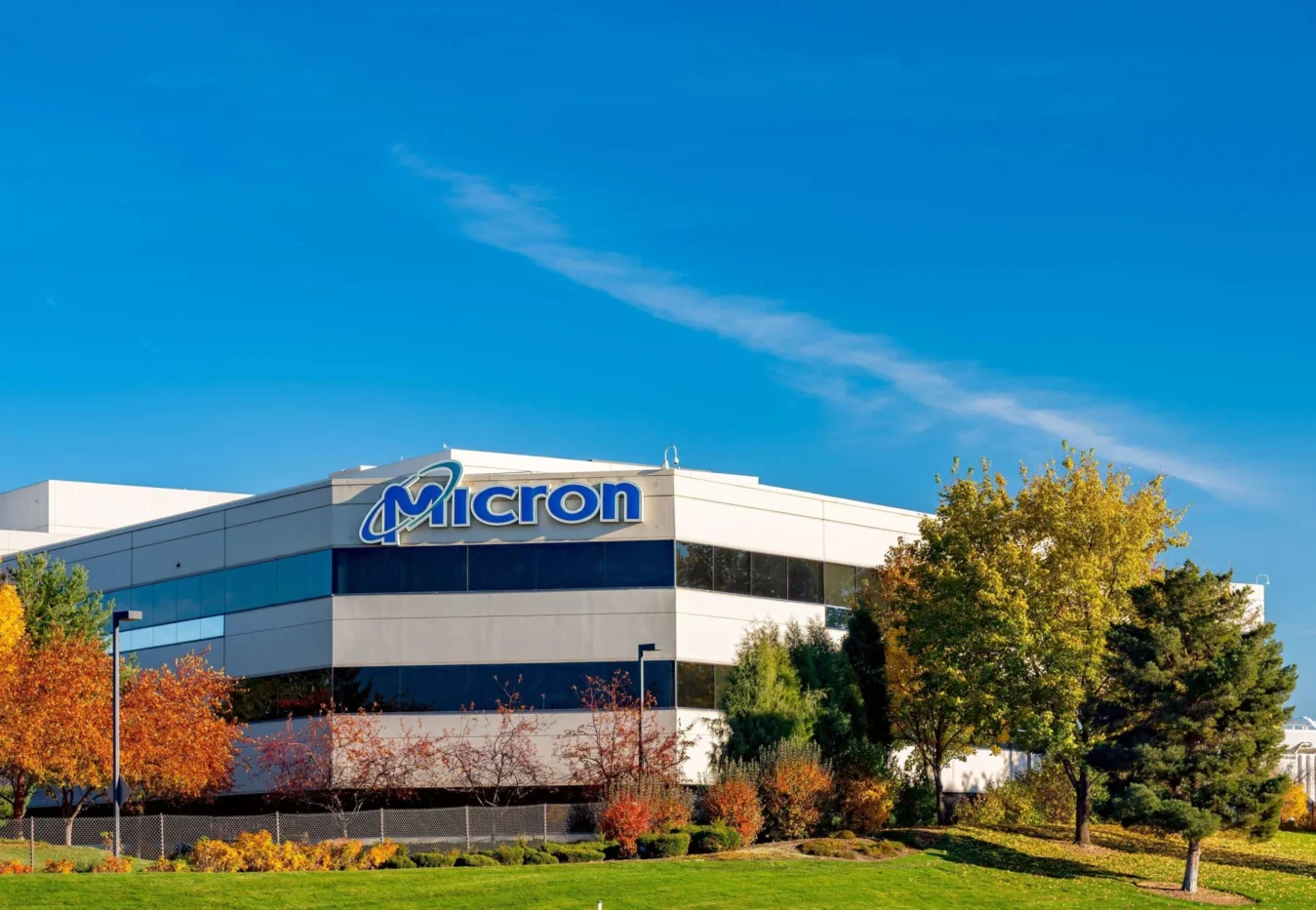
Micron stock is staging a comeback. Following a brutal 13% plunge last Friday — marking its steepest single-day drop since April 2025 — MU shares jumped 3.3% to $980.58 during early Tuesday trading, extending Monday’s impressive 9.9% recovery.
The trigger for last week’s decline came from Broadcom’s quarterly earnings report, which featured disappointing revenue guidance. This development rattled investors and sparked a widespread sell-off across AI-related stocks, with memory chip manufacturers bearing the brunt of the damage.
Yet the recovery has proven equally dramatic. Micron currently trades approximately 10% beneath its closing price from last Wednesday, prior to the Broadcom-induced downturn.
The chip manufacturer has delivered extraordinary returns throughout 2026. MU shares have skyrocketed 233% year-to-date, propelled by surging demand for memory chips essential to artificial intelligence infrastructure expansion.

UBS analyst Nicolas Gaudois quickly identified the pullback as a strategic entry point. In a research note released Monday, he characterized the sell-off as an “opportunity” for market participants, emphasizing persistent demand strength rather than any underlying business weakness.
“Our checks point to continuing upside in demand, not downside, which is likely to persist on agentic AI demand,” Gaudois wrote. He rates MU at Buy with a price target of $1,625.
His preferred sector investment is Samsung Electronics, alongside SK Hynix, Kioxia, and Nanya Technology as additional recommendations.
Goldman Upgrades Price Target to $900
Goldman Sachs issued its own optimistic assessment Tuesday, elevating its 12-month price objective for Micron to $900 from $400. The investment bank simultaneously increased its revenue and non-GAAP EPS projections by averages of 28% and 36% for 2026 and 2027, attributing the changes to robust industry pricing dynamics and demand trends.
Despite these upgrades, Goldman maintained its Neutral rating on the shares.
The bank’s research team, headed by James Schneider, predicts Micron will surpass Wall Street revenue projections by roughly 9% when it unveils fiscal Q3 results later this month. Goldman forecasts revenue of $37.6 billion, gross margin of 83.4%, and EPS of $22.07, compared to consensus figures of $34.4 billion, 81.9%, and $19.74.
For the August quarter, Goldman’s revenue projection of $48.8 billion substantially exceeds the Street consensus of $40.4 billion.
What Investors Will Be Watching
Goldman identified three critical elements that could influence the stock when Micron releases earnings: specifics regarding the scope and pricing of Strategic Customer Agreements (SCAs), management’s perspective on DRAM pricing durability, and progress updates on Micron’s HBM roadmap — especially whether the company can capture additional market share with its upcoming HBM4 offering.
The investment bank also observed that market participants anticipate Micron maintaining or expanding its approximately 20% share of the high-bandwidth memory sector.
Goldman’s full-year 2026 revenue and EPS projections now exceed Street consensus by 30% and 36%, highlighting the substantial gap between its outlook and the broader analyst community.
Goldman projects constrained supply and demand dynamics will persist through 2027, which it believes will support elevated pricing and profit margins throughout the memory chip industry.
Get 3 Free Stock Ebooks
Discover top-performing stocks in AI, Crypto, and Technology with expert analysis.
- Top 10 AI Stocks - Leading AI companies
- Top 10 Crypto Stocks - Blockchain leaders
- Top 10 Tech Stocks - Tech giants



