


Key Points
- The Kospi benchmark has climbed over 22% from its lowest point on July 30, officially entering bull market status
- Leading chipmakers Samsung Electronics and SK Hynix surged more than 5% each, propelling the index significantly higher
- This rebound comes after a devastating July selloff triggered by forced liquidation of leveraged semiconductor positions
- Robust artificial intelligence expenditure from major tech companies has revived optimism in memory chip sectors
- International investors continue net selling, withdrawing over $100 billion from Korean equities year-to-date
The South Korean equity market has staged a remarkable turnaround. On Thursday, the Kospi benchmark surged as much as 4.8%, pushing its cumulative advance from the July 30 trough to approximately 22%. This milestone marks the widely recognized threshold for bull market classification.
The rebound has been both rapid and dramatic. Only weeks ago, the Kospi experienced a 22% plunge during its worst monthly decline since the 2008 global financial meltdown. The selloff stemmed from forced unwinding of heavily leveraged positions in semiconductor stocks, erasing billions in retail investor portfolios.
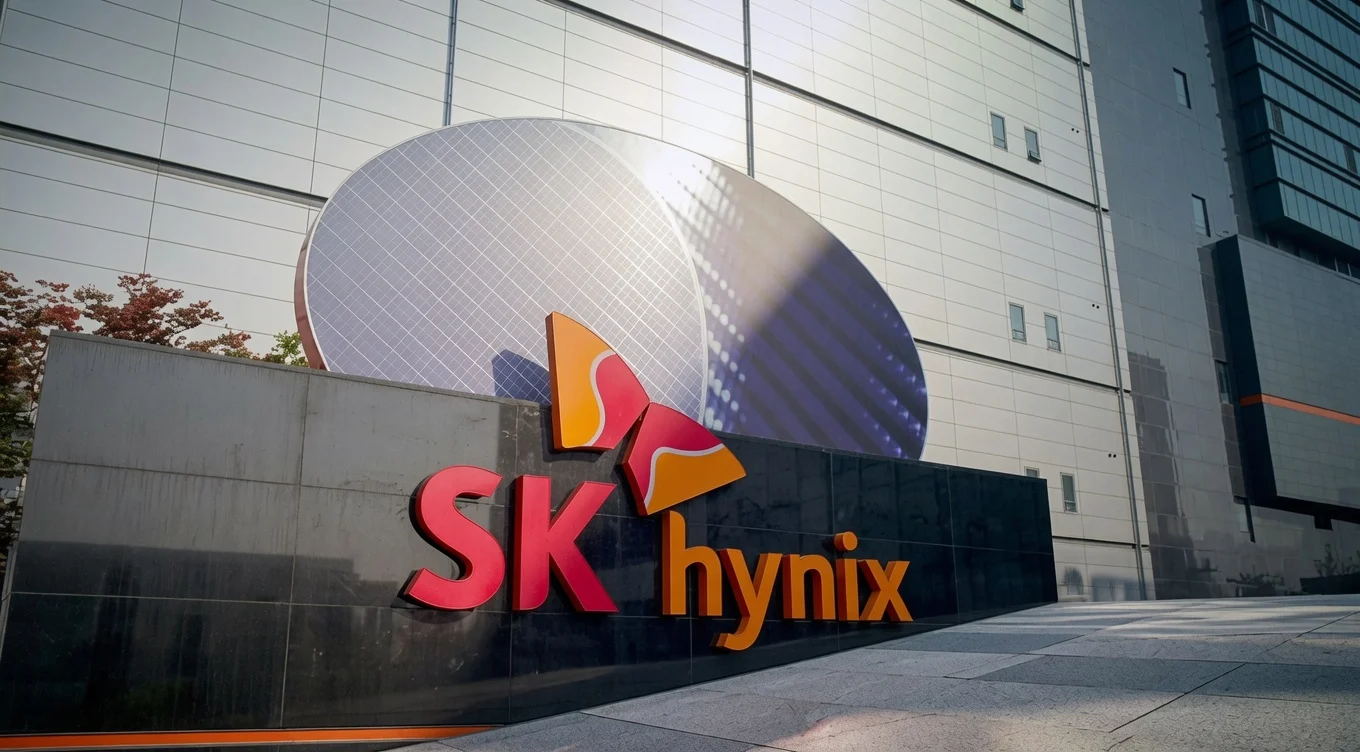
Samsung Electronics and SK Hynix spearheaded Thursday’s advance, with both giants posting gains exceeding 5%. These technology powerhouses are critical suppliers of memory semiconductors, experiencing heightened demand driven by expanding artificial intelligence applications.
Artificial Intelligence Investment Boosts Semiconductor Appetite
The transformation in market psychology stems from impressive quarterly results from leading American tech corporations and their ongoing pledges to invest heavily in AI infrastructure. These developments have strengthened forecasts for sustained memory chip consumption.

“The AI rally and continued strong earnings have been a constant during the sell-off, so it is fundamentals returning the market back to normalcy,” said Peter Kim, head of global investment strategy at KB Securities.
A milder-than-anticipated US inflation reading published Wednesday provided additional support. The data reduced concerns about aggressive Federal Reserve interest rate increases, creating favorable conditions for technology equities worldwide.
Qian Zhang, emerging markets equities specialist at Baillie Gifford, highlighted supply constraints in the memory chip sector. “Because of AI agents and physical AI, memory demand has exploded, but we entered into this with a quite limited supply capacity,” Zhang said.
Challenges Persist for Korean Equities
Notwithstanding the recent surge, market observers maintain a measured outlook regarding its sustainability. The Kospi remains roughly 24% beneath its late June apex, despite the substantial recovery.
International capital has not completely returned. Foreign investors have withdrawn upwards of $100 billion from Korean stocks throughout the current year, although certain overseas funds have begun re-entering as depressed valuations present opportunities.
The marketplace exhibits significant concentration in chip manufacturing companies. Phillip Wool of Rayliant Global Advisors noted Korea’s equity market is “basically synonymous with the AI hardware trade at this point.” This concentration creates exposure to potential reversals in AI investment trends.
Regulatory authorities have implemented measures to enhance market stability by restricting single-stock leveraged ETFs and strengthening margin regulations. These interventions have mitigated the forced liquidation dynamics that precipitated July’s collapse.
Market strategists caution against anticipating comparable appreciation rates ahead. “After such a steep rebound, some consolidation would be healthy,” said Jung In Yun of Fibonacci Asset Management Global.
Anticipated shareholder return initiatives from Samsung and SK Hynix have additionally bolstered investor confidence in recent trading sessions.
Get 3 Free Stock Ebooks
Discover top-performing stocks in AI, Crypto, and Technology with expert analysis.
- Top 10 AI Stocks - Leading AI companies
- Top 10 Crypto Stocks - Blockchain leaders
- Top 10 Tech Stocks - Tech giants



