


TLDR
- Tehran indicates a temporary Strait of Hormuz agreement with Oman is nearing completion
- Iran’s Foreign Minister outlines prerequisites including U.S. compensation, sanctions elimination, and military pullout for complete reopening
- Supreme Leader Mojtaba Khamenei must authorize any final agreement, potentially causing delays
- Abu Dhabi National Oil Company confirmed missile attack on one of its tankers over the weekend
- Brent crude finished the week above $83 per barrel, marking its third consecutive weekly decline
Tehran has announced it is approaching an arrangement with Oman regarding provisional maritime corridors through the Strait of Hormuz, while simultaneously presenting extensive prerequisites for complete waterway access.
On Saturday, Foreign Minister Abbas Araghchi stated that diplomatic teams are close to finalizing an understanding on restricted transit pathways for commercial vessels navigating in and out of the Persian Gulf region.
Nevertheless, he emphasized that achieving a limited arrangement would not automatically restore unrestricted maritime operations.
Tehran’s Prerequisites for Complete Access
The Iranian government is insisting on financial restitution from Washington for alleged breaches of the Islamabad Agreement, a bilateral understanding reached in June that deteriorated rapidly.
Iran’s requirements include termination of American economic sanctions, removal of the maritime blockade affecting Iranian harbors, unfreezing of financial assets, and complete withdrawal of U.S. military presence from the area.

These stipulations exceed what American officials have indicated they are prepared to concede. Vice President JD Vance recognized some advancement in discussions but expressed skepticism about whether Iran would present conditions Washington could embrace.
President Donald Trump has consistently maintained that the strait must resume unrestricted operations, warning of additional military intervention if compliance is not achieved.
Maritime Assaults Persist
Despite ongoing diplomatic efforts, vessel attacks within the strategic waterway continue unabated.
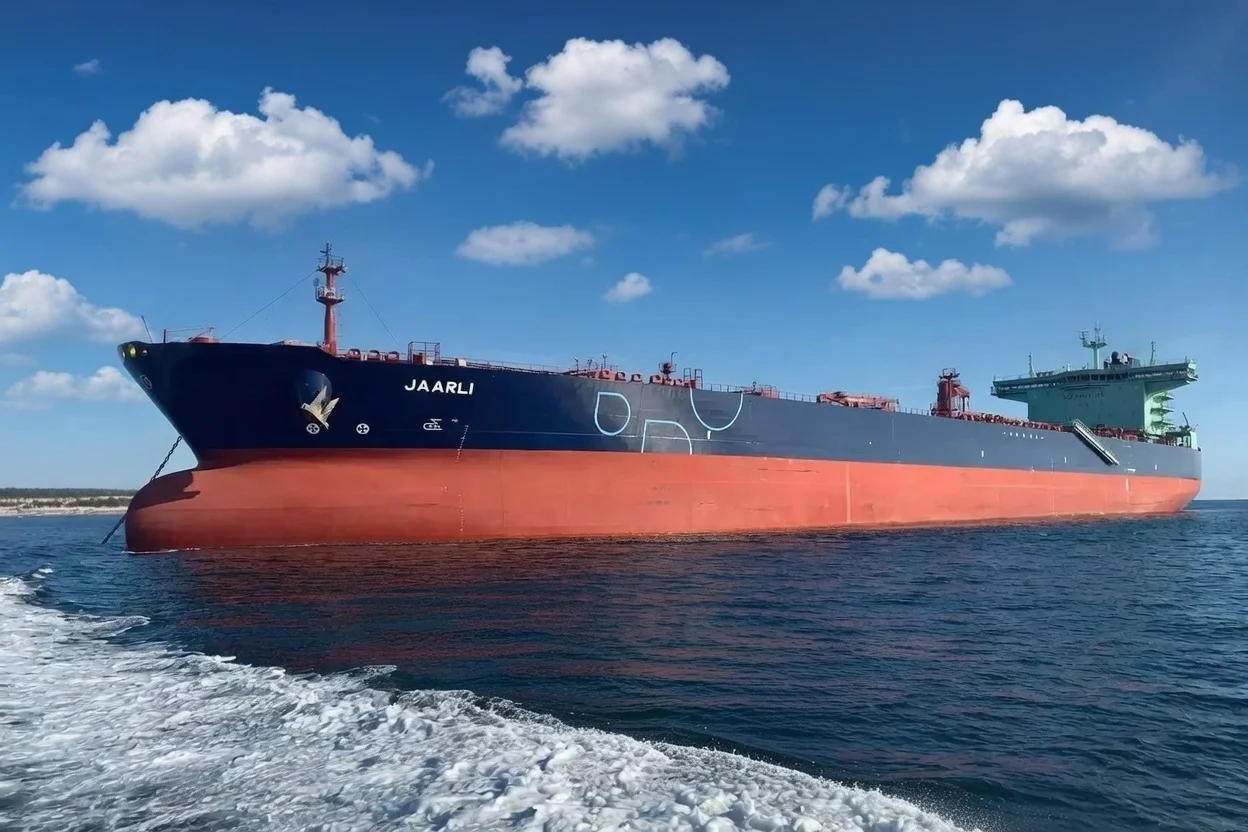
Abu Dhabi National Oil Company reported that one of its tankers sustained missile damage in the early hours of Saturday while navigating through the strait. The company confirmed no casualties occurred and the vessel was secured.
According to the organization, 15 of its fleet have been targeted throughout the hostilities, resulting in one fatality and 20 injuries among crew members.
A portion of commercial shipping has maintained passage through the waterway via a restricted convoy system coordinated with U.S. military support, although numerous vessels have disabled their automatic identification systems to prevent detection.
Houthi forces in Yemen also asserted responsibility for an unmanned aerial attack on Saudi Aramco’s Jazan processing facility, which handles 400,000 barrels daily. Saudi officials confirmed the blaze was contained without casualties.
Aramco’s chief executive indicated that recent security incidents resulted in brief operational disruptions but did not produce significant financial consequences.
Petroleum Markets Respond
Brent crude concluded last week above the $83 per barrel threshold as market participants evaluated the potential for millions of barrels from Gulf producers to resume market circulation.
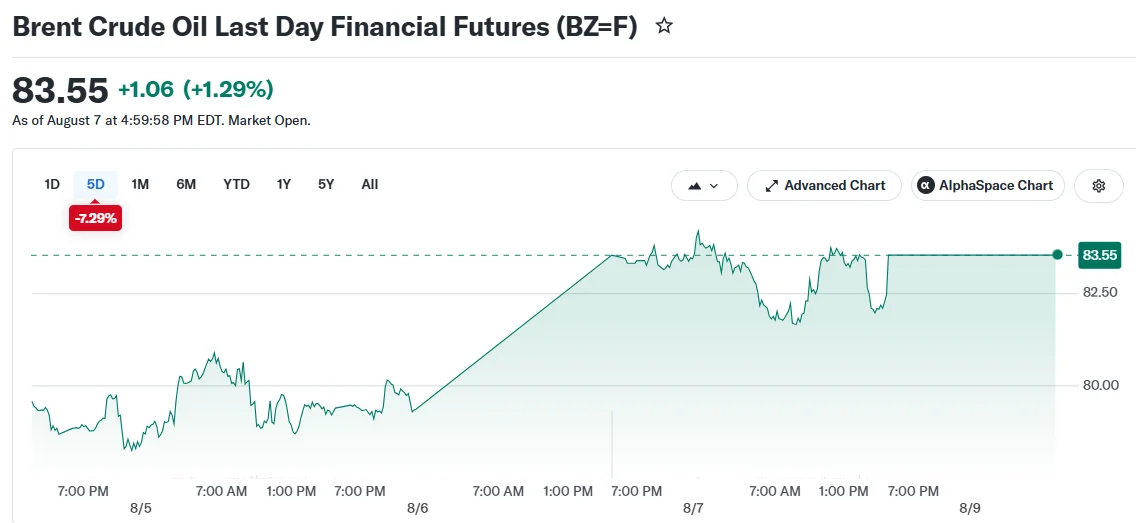
The benchmark recorded its third consecutive weekly retreat as uncertainty surrounding diplomatic progress persisted.
Rob Haworth, senior investment strategy director at US Bank Wealth Management, characterized agreements to restore Hormuz access as “remain elusive” and noted the pathway to a sustainable resolution remains ambiguous.
Under normal circumstances, the strategic passage facilitates approximately one-fifth of worldwide petroleum consumption and has experienced severe disruption since U.S. and Israeli forces initiated military operations against Iran on February 28.
Any conclusive accord between Tehran and Muscat requires authorization from Iran’s Supreme Leader Mojtaba Khamenei. Government representatives have indicated that securing his endorsement involves considerable time, with no verification of his consent yet provided.
Get 3 Free Stock Ebooks
Discover top-performing stocks in AI, Crypto, and Technology with expert analysis.
- Top 10 AI Stocks - Leading AI companies
- Top 10 Crypto Stocks - Blockchain leaders
- Top 10 Tech Stocks - Tech giants



