


Key Takeaways
- YouTube star Mark Fischbach, better known as Markiplier, has accumulated an 8.5% ownership position in GoPro, establishing himself as the company’s top individual investor
- Shares of GPRO climbed 46% during standard market hours on August 31, followed by an additional 55% surge in extended trading to $1.37
- This dramatic price movement lifts GPRO beyond Nasdaq’s mandatory $1 per share minimum, temporarily averting delisting proceedings
- The action camera manufacturer posted second-quarter revenue of $105 million, reflecting a 31.3% decline compared to the prior year, while camera unit sales plummeted 38%
- Wall Street analysts continue to assign GPRO a collective “strong sell” recommendation, with a mean price objective of $0.50
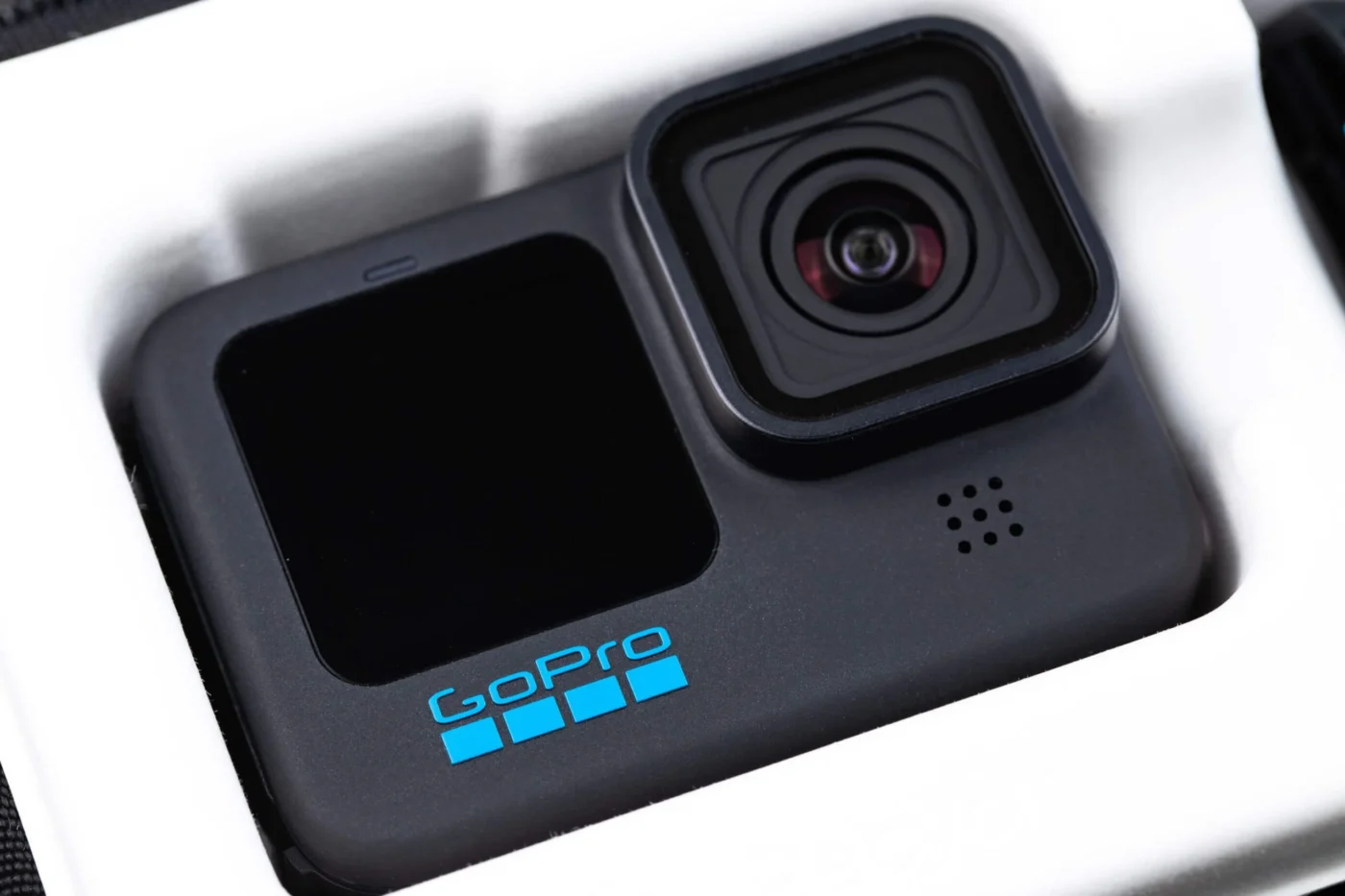
Shares of GoPro witnessed a dramatic eruption on August 31 following Bloomberg’s revelation that popular content creator Mark Fischbach, who commands a massive following as Markiplier, had discreetly assembled an 8.5% ownership interest in the struggling action camera company. This substantial position establishes Fischbach as GoPro’s premier individual stockholder.
The trading session concluded with GPRO surging 46.01%, closing at 87 cents per share. Extended-hours activity propelled the momentum significantly higher, with shares reaching $1.37—representing a cumulative single-day advance exceeding 128%. Premarket activity the subsequent morning saw GPRO jump an additional 93%, with shares changing hands above $1.69.
Such valuation levels hadn’t materialized for the stock since the opening weeks of January.
The chronology proves significant. During July, Nasdaq formally notified GoPro that its shares had closed beneath the $1 threshold across 30 consecutive trading sessions. The exchange granted the company a 180-day compliance period to restore its share price above $1 or confront potential delisting. The Markiplier disclosure propelled GPRO comfortably beyond that critical benchmark, though sustainability remains uncertain.

Speaking with Bloomberg, Markiplier explained his investment rationale began with fundamental analysis. “I saw the stock and where it was, I was like, that seems undervalued,” he revealed. “It’s just something I’ve been cooking in the background; I want the company to succeed.”
The Motivation Behind Markiplier’s Investment
Fischbach’s attraction to GoPro extended beyond pure investment returns. The YouTuber employed GoPro cameras extensively to document supplementary footage during production of his independent horror production Iron Lung. The project, financed with a modest $3 million budget after receiving rejection from traditional studios, ultimately generated $51 million in theatrical revenue.
GoPro’s latest innovation, the Mission 1 Pro ILS cinema camera, particularly captivated his interest. “It blows my mind what it can do in such a small package,” he shared with Bloomberg. “They have a big future with this camera coming out opening up a new segment for them.”
Currently, Markiplier maintains no operational role or board position at the company.
Fundamental Challenges Persist
The market excitement surrounding Markiplier’s stake stands in stark opposition to GoPro’s underlying business performance. Second-quarter 2026 sales totaled $105 million, representing a 31.3% year-over-year contraction. Camera unit shipments reached just 291,000 during the period, declining 38% versus the comparable quarter in the previous year. The company recorded a net loss of $51 million.
GoPro has implemented workforce reductions totaling 23% during the current year. Company leadership has publicly acknowledged substantial uncertainty regarding its capacity to maintain operations as a going concern.
Analysts remain decidedly pessimistic. GPRO carries a consensus “strong sell” assessment, accompanied by an average price projection of $0.50—approximately 43% beneath pre-surge trading levels.
Across the preceding five-year period, GPRO had surrendered more than 91% of its market value prior to Monday’s trading. Even accounting for the 46% single-session advance on August 31, shares remained depressed by over 37% year-to-date approaching market close.
The company confronts intensifying rivalry from competitors including Insta360, DJI, and increasingly sophisticated smartphone camera systems, all of which have progressively captured market share from GoPro’s traditional customer base.
Get 3 Free Stock Ebooks
Discover top-performing stocks in AI, Crypto, and Technology with expert analysis.
- Top 10 AI Stocks - Leading AI companies
- Top 10 Crypto Stocks - Blockchain leaders
- Top 10 Tech Stocks - Tech giants



