


Key Highlights
- On Monday, the nationwide average fuel cost reached $4.0030 per gallon, surpassing the $4 mark for the first time since early summer
- Fuel costs have surged over 30% following late February military strikes by the U.S. and Israel against Iran
- A June peace agreement temporarily brought prices under $4, though the agreement dissolved in early July
- International Brent crude increased 3.2% to $90.95 per barrel while U.S. crude advanced 2.8% to $84.04 on Monday
- Depleted U.S. fuel reserves, approximately 1.5 million barrels under the five-year benchmark, compound pricing pressures
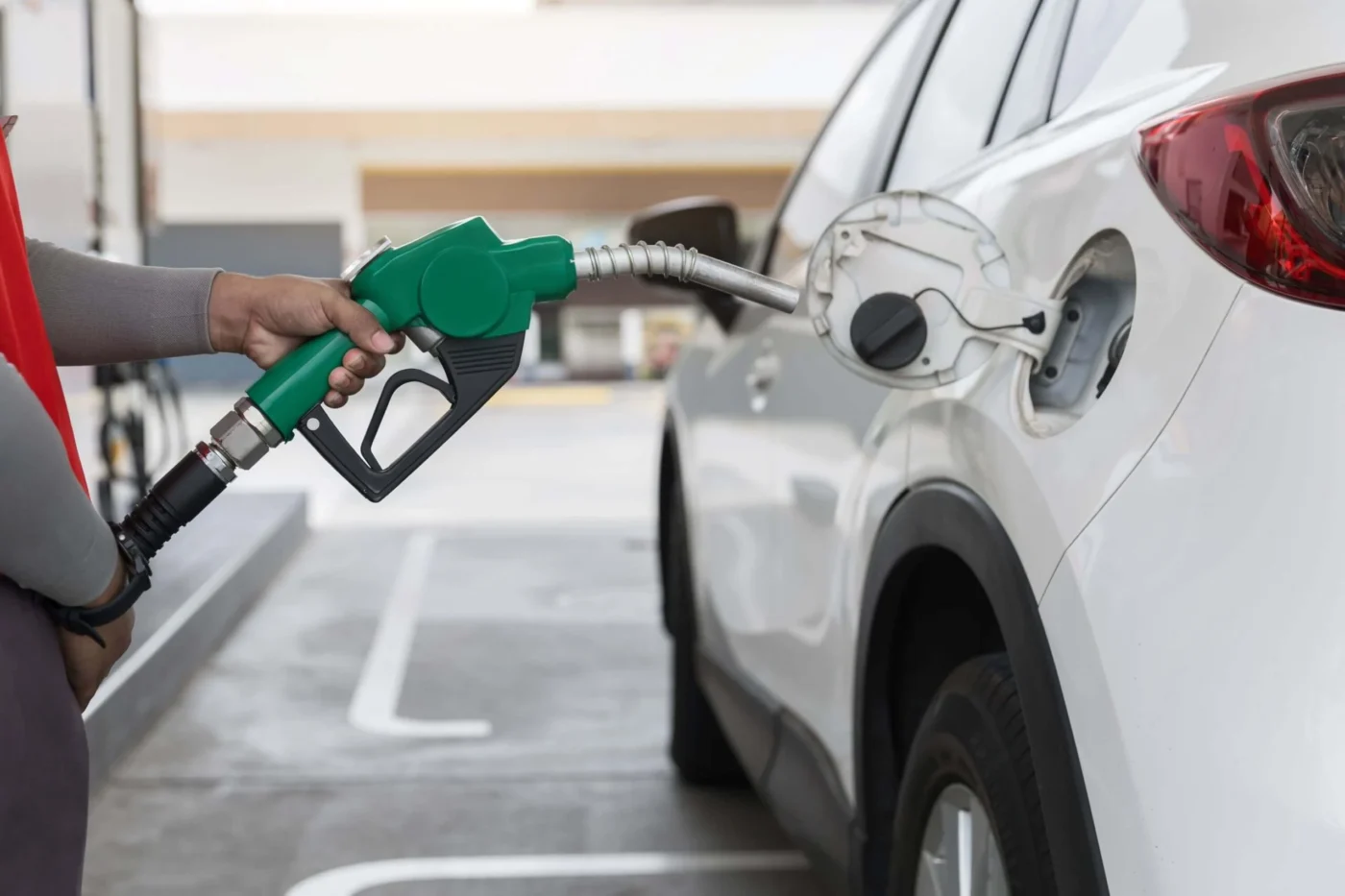
American motorists are once again confronting $4 per gallon gasoline costs, primarily driven by escalating military confrontations between the United States and Iran.
BREAKING: 🇺🇸US average retail gas prices hit $4 per gallon for the first time since June 17, per AAA. pic.twitter.com/BB3TUi6WcL
— Coin Bureau (@coinbureau) July 20, 2026
According to the American Automobile Association, the nationwide average for regular unleaded gasoline climbed to $4.0030 per gallon on Monday. This represents a significant increase from $3.14 per gallon recorded during the same period last year.
The initial breach of the $4 threshold occurred in late March when Iran implemented a blockade on vessel traffic navigating the Strait of Hormuz. This critical maritime passage facilitates approximately 20% of worldwide petroleum shipments.
A temporary reprieve came in June following the signing of a memorandum of understanding between Washington and Tehran aimed at ending hostilities. However, this diplomatic breakthrough unraveled in early July, leading to a resumption of military operations.
Following the ceasefire collapse, crude oil prices jumped approximately 16% over the past week. Consumer gasoline prices typically track crude oil movements closely, as petroleum represents the primary input cost for fuel production.
Global Oil Markets Respond to Conflict Escalation
International Brent crude, serving as the global pricing benchmark, advanced 3.2% to reach $90.95 per barrel on Monday. Meanwhile, the U.S. benchmark crude oil price climbed 2.8% to settle at $84.04 per barrel.

The strategic importance of the Strait of Hormuz continues to drive market volatility. Any interruption to shipping through this narrow waterway triggers immediate ripple effects across worldwide energy markets.
🇺🇸NOW: PRESIDENT TRUMP ADDRESSES ESCALATING IRAN CONFLICT
“We are now doing a FAR bigger job, we were on a little job stopping them from having a certain capability”
“But now, we’re just ENDING it”
“Ending any chance where they can have a nuclear missile.
“If you look at it,… pic.twitter.com/QE4lEMEwz5
— Coin Bureau (@coinbureau) July 20, 2026
Additional upward pressure on energy markets stems from intensified Ukrainian strikes targeting Russian petroleum processing facilities, which have significantly diminished Russia’s refining capabilities.
Depleted Fuel Reserves Compound Supply Concerns
Domestic fuel inventories registered 210.5 million barrels during the previous week, falling approximately 1.5 million barrels short of the five-year historical average. These diminished stockpiles weaken the nation’s capacity to absorb sudden supply disruptions.
Regional variations in gasoline costs persist across states, reflecting differences in local supply chains, taxation policies, and transportation expenses. Several states have maintained prices above $4 for extended periods.
The $4 threshold represents a critical psychological and economic benchmark affecting household finances. Elevated fuel costs also cascade through the economy, increasing transportation expenses for food and consumer goods.
Rising gasoline prices have emerged as a significant political challenge for President Donald Trump and congressional Republicans. The party faces critical November midterm elections while defending narrow legislative majorities.
Trump previously voiced disappointment that consumer fuel prices failed to decline proportionally with crude oil during the brief June ceasefire period.
The $4 national average masks significant regional disparities. Motorists in high-cost regions such as California have endured substantially higher prices for several months.
Without prospects for renewed diplomatic progress, energy analysts forecast continued elevated pump prices in the immediate future. Monday’s latest escalation between Washington and Tehran drove sharp oil price increases, pulling gasoline costs higher in tandem.
Get 3 Free Stock Ebooks
Discover top-performing stocks in AI, Crypto, and Technology with expert analysis.
- Top 10 AI Stocks - Leading AI companies
- Top 10 Crypto Stocks - Blockchain leaders
- Top 10 Tech Stocks - Tech giants



