


Key Takeaways
- Federal Reserve likely to implement a 25 basis point rate increase Wednesday, with market odds standing at 80% to 85%
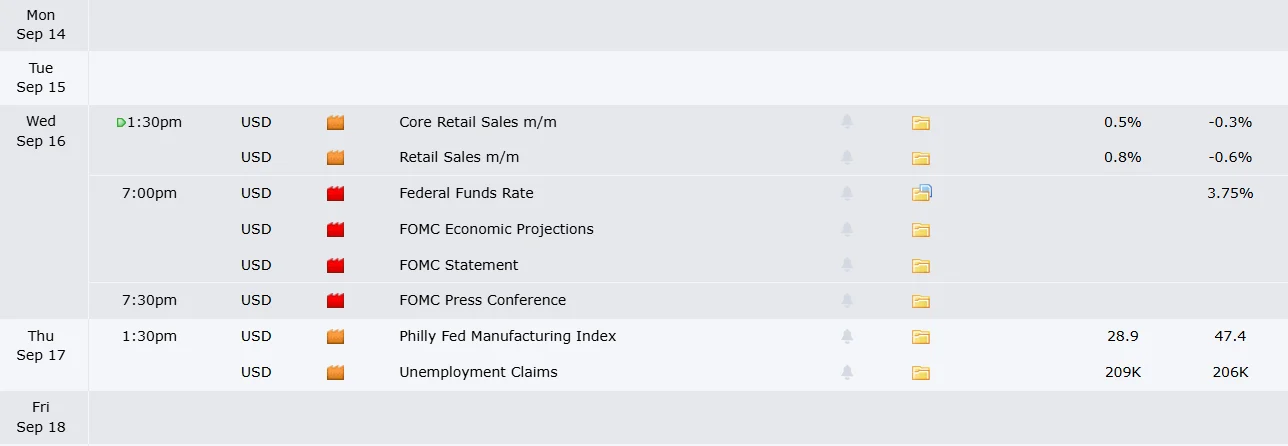
- Critical retail sales figures for August arrive Wednesday morning, potentially influencing monetary policy expectations
- Crude oil surged past $100 per barrel following drone strikes on Saudi infrastructure, intensifying inflation worries
- The 10-year Treasury yield approached 5%, creating headwinds for equities and interest rate-sensitive investments
- Salesforce launches its Dreamforce event Tuesday featuring Anthropic’s CEO Dario Amodei among the speaker lineup
Wall Street’s attention turns squarely to the Federal Reserve this week. The Federal Open Market Committee convenes Tuesday before delivering its policy announcement Wednesday at 2 p.m. ET.
Futures markets currently reflect approximately 80% to 85% probability of a quarter-point rate adjustment. This expectation solidified following robust employment reports and persistent inflation readings exceeding the central bank’s 2% objective.
The Consumer Price Index registered a 3.4% annual increase in August, mirroring the previous month’s pace. Producer-level inflation metrics also exceeded forecasts, signaling continued pricing pressures throughout the economy.
Fed Chairman Kevin Warsh is scheduled to address the media at 2:30 p.m. ET Wednesday. Market participants will parse his remarks for clues regarding the trajectory of monetary tightening.
An isolated rate adjustment might not trigger significant market disruption. However, should Warsh indicate additional increases lie ahead, technology shares and sectors vulnerable to higher borrowing costs could face selling pressure.

Treasury yields on 10-year notes approached the 5% threshold during the previous week. This bond market movement has already created challenges for equities, especially high-valuation growth companies.
Consumer Spending Data and Energy Markets in Focus
Ahead of the Fed announcement, the Census Bureau publishes August retail sales figures at 8:30 a.m. ET Wednesday. Consumer outlays declined 0.6% between June and July on an unadjusted basis.
Robust spending numbers might paradoxically pressure equities. Stronger consumption could reinforce the case for continued rate increases from policymakers.
Conversely, disappointing figures might alleviate bond market tensions while sparking questions about whether elevated costs are constraining household budgets. Regardless of the outcome, Wednesday appears poised for heightened market swings.
Oil prices represent another critical variable this week. Benchmark crude jumped beyond $100 per barrel, driven by escalating Middle East geopolitical risks.
An important Saudi pipeline transporting approximately 4 million barrels daily was taken offline following drone attacks. This supply constraint could sustain elevated energy costs in the near term.
Rising crude prices exacerbate inflationary pressures, complicating the Federal Reserve’s policy calculus. Energy sector equities stand to gain, while airlines and consumer-facing businesses may encounter margin compression.
Corporate Events and Economic Indicators
Salesforce launches its annual Dreamforce gathering on Tuesday. CEO Marc Benioff delivers the primary keynote between 1 p.m. and 3 p.m. ET, emphasizing artificial intelligence partnerships.
Anthropic’s CEO Dario Amodei appears on the Dreamforce speaker roster. The specific timing and format of his participation remains uncertain—whether during Benioff’s main presentation or a standalone session.
Salesforce has also scheduled an investor and analyst briefing at the conference Wednesday at 4 p.m. ET.
For earnings releases, homebuilder Lennar delivers quarterly results Wednesday following the closing bell. Elevated mortgage rates have challenged housing market conditions, making the company’s order volume and forward guidance particularly important indicators.
Carnival releases earnings Thursday, potentially offering insights into consumer appetite for travel and leisure spending. Thursday also brings weekly unemployment claims data and the Philadelphia Fed’s manufacturing survey.
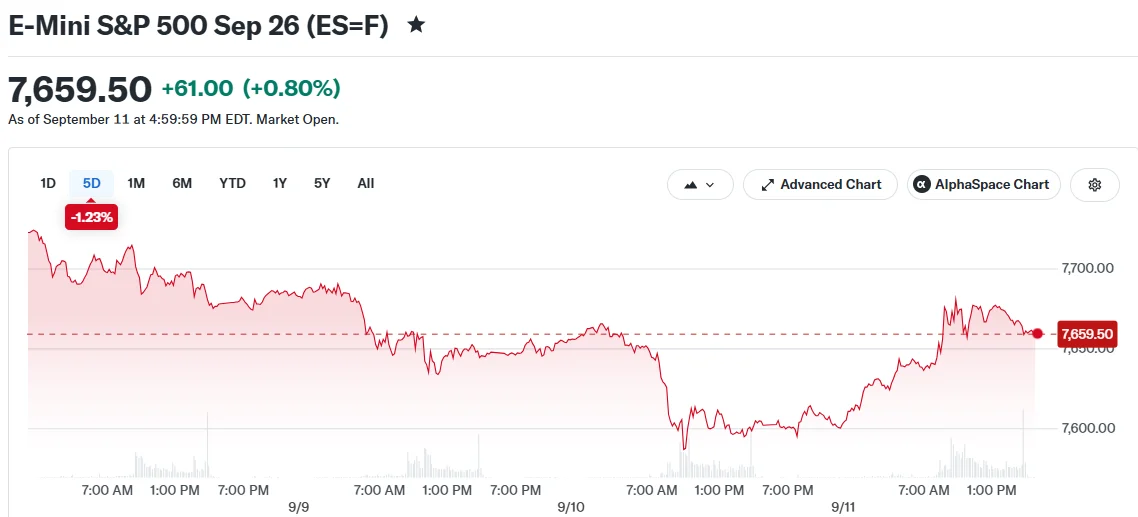
Equity indexes concluded the previous week with losses. The Dow Jones Industrial Average dropped 1.6%, while the S&P 500 maintains approximately 12% year-to-date gains.
The Fed’s forward guidance on monetary policy direction will probably carry greater significance than Wednesday’s immediate rate action.
Get 3 Free Stock Ebooks
Discover top-performing stocks in AI, Crypto, and Technology with expert analysis.
- Top 10 AI Stocks - Leading AI companies
- Top 10 Crypto Stocks - Blockchain leaders
- Top 10 Tech Stocks - Tech giants



