



Key Points
- European equities remained stable close to all-time peaks on Tuesday
- Crude prices reached month-high levels following the collapse of U.S.-Iran diplomatic negotiations
- President Trump introduced additional demands, including monetary reparations for casualties in Middle East conflicts
- Energy sector outperformed while tourism, hospitality, and insurance stocks declined
- Market focus turns to upcoming U.S. inflation report and eurozone economic growth data
European equity markets showed limited movement on Tuesday as escalating oil prices and the failure of U.S.-Iran peace discussions prompted investor caution. The continent-wide Stoxx 600 index remained close to record territory but showed minimal momentum, hovering around 659.84 as traders assessed conflicting market forces.
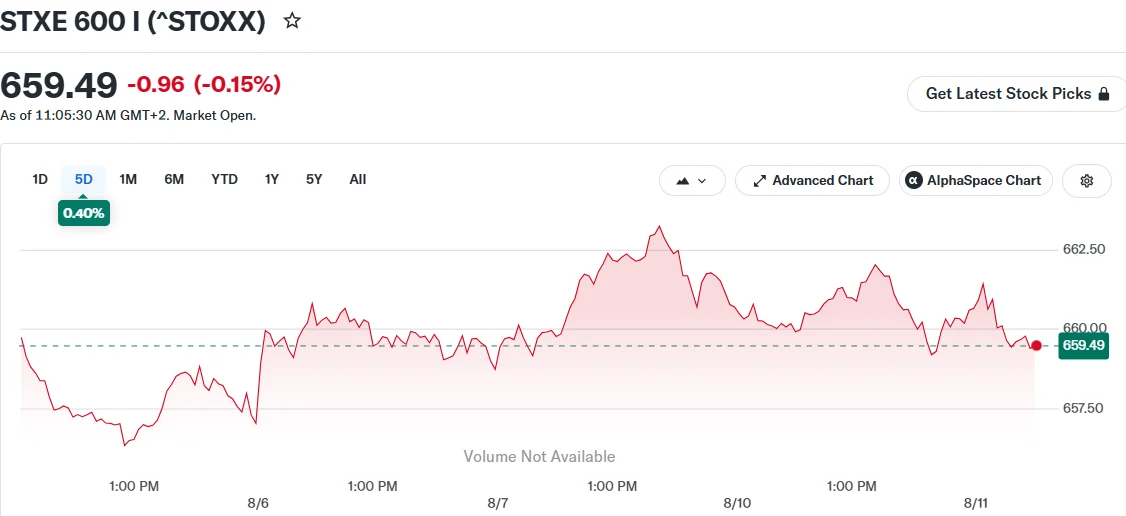
Crude oil prices surged to their strongest levels this month after attempts to broker a deal regarding the Strait of Hormuz reached an impasse. Brent crude climbed beyond $84 per barrel, creating headwinds for industries vulnerable to rising energy costs.
Diplomatic Efforts Founder as Crude Rallies
President Donald Trump countered Iran’s proposed peace framework with an expanded list of requirements on Monday. Among these conditions was a demand for financial restitution for individuals killed in armed conflicts, militant attacks, and civil unrest connected to regional hostilities.
This significant intensification of demands undermined mediation initiatives spearheaded by Oman and Qatar. Financial markets had experienced multiple rallies in recent weeks on tentative signs of diplomatic breakthrough, only to retreat as discussions repeatedly stagnated.
The energy sector climbed 1.4% as crude prices strengthened. Petroleum and natural gas companies emerged as the session’s primary beneficiaries.

Tourism and hospitality stocks declined 0.9% amid concerns about elevated fuel expenses. InterContinental Hotels Group slipped 1.8% following its disclosure that revenue per available room growth decelerated in the latest quarter, particularly affected by a steep downturn in Middle Eastern markets.
Technology Resilient Despite AI Investment Concerns
Technology equities advanced 0.5% and continue to rank among Europe’s top-performing segments in 2026, posting approximately 24% gains year-to-date. Strong appetite for semiconductors, cloud infrastructure, and artificial intelligence capabilities has underpinned sector performance throughout the year.
Nevertheless, market participants are adopting a more skeptical stance toward substantial capital expenditures in artificial intelligence initiatives. Absent demonstrable short-term returns on these investments, several portfolio managers are reducing exposure to the technology sector.
Inconsistent earnings reports from international hardware manufacturers have additionally triggered volatility across semiconductor supply chain companies in recent trading sessions.
In individual stock movements, Swiss-American ophthalmology specialist Alcon climbed 4% after upgrading its annual earnings outlook. Industrial equipment manufacturer Spirax Group tumbled 10.5% after maintaining its existing projection for mid-single-digit organic revenue expansion.
UK insurer Legal and General retreated 3.1% following a downgrade from UBS analysts, who shifted their recommendation to Sell from Neutral.
Upcoming Economic Catalysts
Market attention now centers on Wednesday’s U.S. consumer price index release. The previous week’s disappointing U.S. employment figures sparked questions regarding the velocity of economic deceleration, prompting traders to seek evidence that inflation is moderating sufficiently to allow central banks to maintain current monetary policy through the fall season.
Eurozone labor market statistics and gross domestic product figures are scheduled for release later this week. Until these economic indicators arrive and greater clarity emerges regarding Strait of Hormuz developments, European equity markets are anticipated to remain confined to tight, headline-sensitive trading bands.
Get 3 Free Stock Ebooks
Discover top-performing stocks in AI, Crypto, and Technology with expert analysis.
- Top 10 AI Stocks - Leading AI companies
- Top 10 Crypto Stocks - Blockchain leaders
- Top 10 Tech Stocks - Tech giants



