


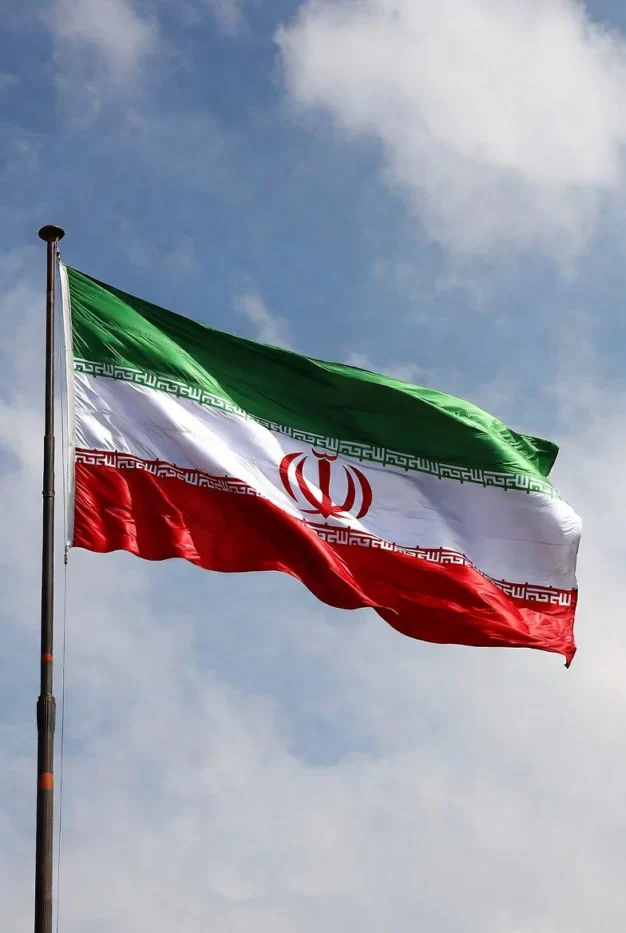
Key Points
- American forces conducted extensive military operations against Iranian positions, striking more than 300 sites over a 72-hour period
- Tehran announced closure of the Strait of Hormuz indefinitely, though Washington contests this claim
- Crude oil markets responded with a 3%+ rally Monday amid fears of potential supply chain interruptions
- Regional defense systems in the United Arab Emirates successfully intercepted Iranian projectiles; alerts activated in Bahrain and Qatar
- Behind-the-scenes diplomatic efforts continue in Oman, though breakthrough negotiations seem unlikely
The United States Central Command announced completion of another round of military operations targeting Iranian assets Sunday night. These precision strikes focused on diminishing Tehran’s capability to threaten commercial vessels navigating the strategic Strait of Hormuz.
Across a three-day span, American forces engaged over 300 Iranian military installations. Sunday’s operations alone targeted numerous facilities at various locations throughout Iranian territory.
The intensified military action followed Tehran’s assault on the M/V GFS Galaxy, a container vessel sailing under Cyprus’s flag. Saturday witnessed approximately 140 targets struck by U.S. forces in direct response to that incident.
Defense Secretary Pete Hegseth declared via social media: “Iran made a poor choice. Now they pay.”
Tehran launched counter-strikes against American and coalition military installations throughout the Gulf region. The United Arab Emirates reported successful interception of incoming Iranian missiles and unmanned aerial vehicles. Emergency warning systems activated in Bahrain, while residents in Doha reported hearing explosions.
The Islamic Revolutionary Guard Corps claimed responsibility for disabling another commercial ship within the Strait of Hormuz.

Energy Markets and Financial Response
Crude oil prices surged beyond 3% during Monday trading sessions. Market participants expressed growing anxiety regarding potential interruptions to petroleum flows through this critical maritime corridor.
Approximately 20% of global oil supplies transit through the Strait of Hormuz. Any prolonged obstruction could trigger significant increases in energy costs worldwide.
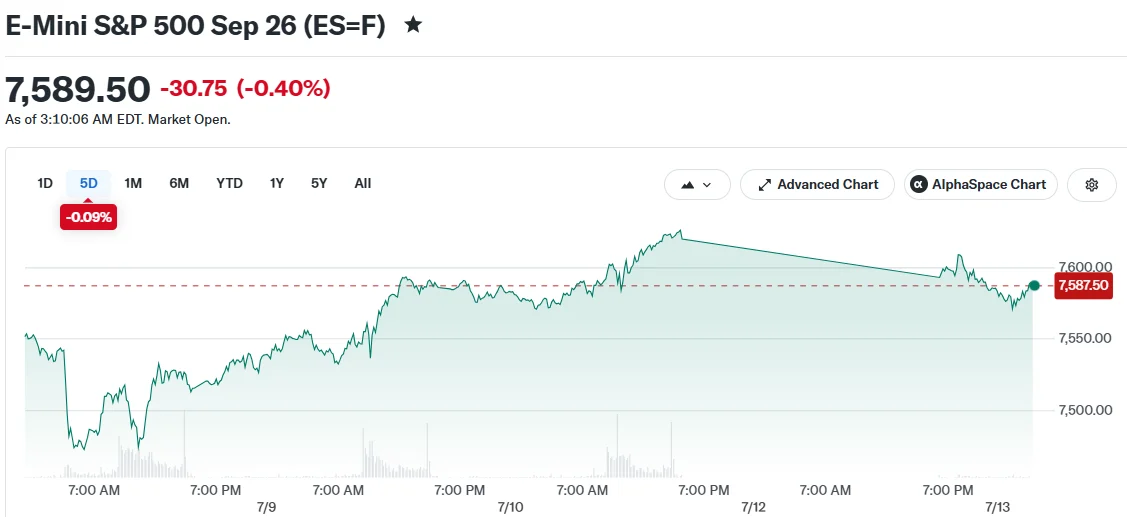
Equity index futures declined following reports of renewed military strikes. Financial markets throughout the United States remain focused on developments in the Persian Gulf.
Escalating energy costs present a growing political challenge for President Trump as November’s congressional elections approach.
Shipping tracking systems indicate minimal vessel movement currently transiting through the Hormuz passage.
Diplomatic Efforts Amid Rising Tensions
Iran announced an indefinite closure of the strategic waterway, maintaining the restriction would persist until American intervention in the region ceases. The Revolutionary Guard issued warnings that any further retaliation would trigger an “aggressive response.”
President Trump countered Tehran’s announcement Sunday, asserting the strait remains accessible for commercial maritime traffic, directly challenging Iran’s declaration.
Meanwhile, diplomatic channels remained active as Iran’s Foreign Minister conducted meetings with his Omani counterpart in Muscat. Omani officials indicated discussions would progress through both political and technical channels.
Tehran suggested future arrangements governing passage through Hormuz should involve only the nations bordering the waterway.
Ayatollah Mojtaba Khamenei, Iran’s new Supreme Leader, pledged vengeance for his predecessor’s death. Trump cautioned that American military forces stood ready to deliver a “massive response” should Tehran attempt assassination operations targeting him.
Iran accused Washington of breaching terms of a recently established ceasefire. American officials maintain they will not restart comprehensive negotiations until Tehran provides guarantees ensuring safe transit for commercial shipping.
Get 3 Free Stock Ebooks
Discover top-performing stocks in AI, Crypto, and Technology with expert analysis.
- Top 10 AI Stocks - Leading AI companies
- Top 10 Crypto Stocks - Blockchain leaders
- Top 10 Tech Stocks - Tech giants



