


Key Takeaways
- August inflation in the euro zone accelerated to 3.3%, climbing from July’s 2.9% reading, primarily due to surging energy prices
- Energy costs skyrocketed by 14.3%, a consequence of the Iran conflict and shipping disruptions in the Strait of Hormuz
- Underlying core inflation declined to 2.4%, while services price growth moderated to 3.0%
- Financial markets assign a 98.9% probability to a 0.25% interest rate increase by the ECB at its September 10 policy meeting
- Small and medium-sized enterprises confront dual challenges from elevated energy expenses and increased financing costs
The euro zone experienced a significant acceleration in consumer prices during August, with inflation reaching 3.3%—the highest reading since September 2024. This uptick was predominantly fueled by surging energy costs, as confirmed by Tuesday’s release from Eurostat.
Energy price inflation surged to 14.3% during the month, representing a substantial increase from July’s 10.3% figure. This escalation stems directly from upheaval in global oil and gas markets triggered by the ongoing Iran war and the resulting obstruction of the strategically vital Strait of Hormuz.
Given Europe’s heavy reliance on imported energy to meet domestic demand, the region remains particularly vulnerable to such supply disruptions. Consequently, both crude oil and natural gas prices have experienced steep increases in recent weeks.
However, beneath the headline inflation figure, the broader economic situation appeared more stable. Core inflation—which excludes volatile components like energy, food, alcohol and tobacco—actually declined to 2.4% from the previous month’s 2.5%.
Additionally, services sector inflation, a metric closely monitored by the European Central Bank, retreated to 3.0% from 3.3%. This development indicates that the energy price shock has not yet triggered broader price increases across the economy.
September Rate Increase Virtually Locked In
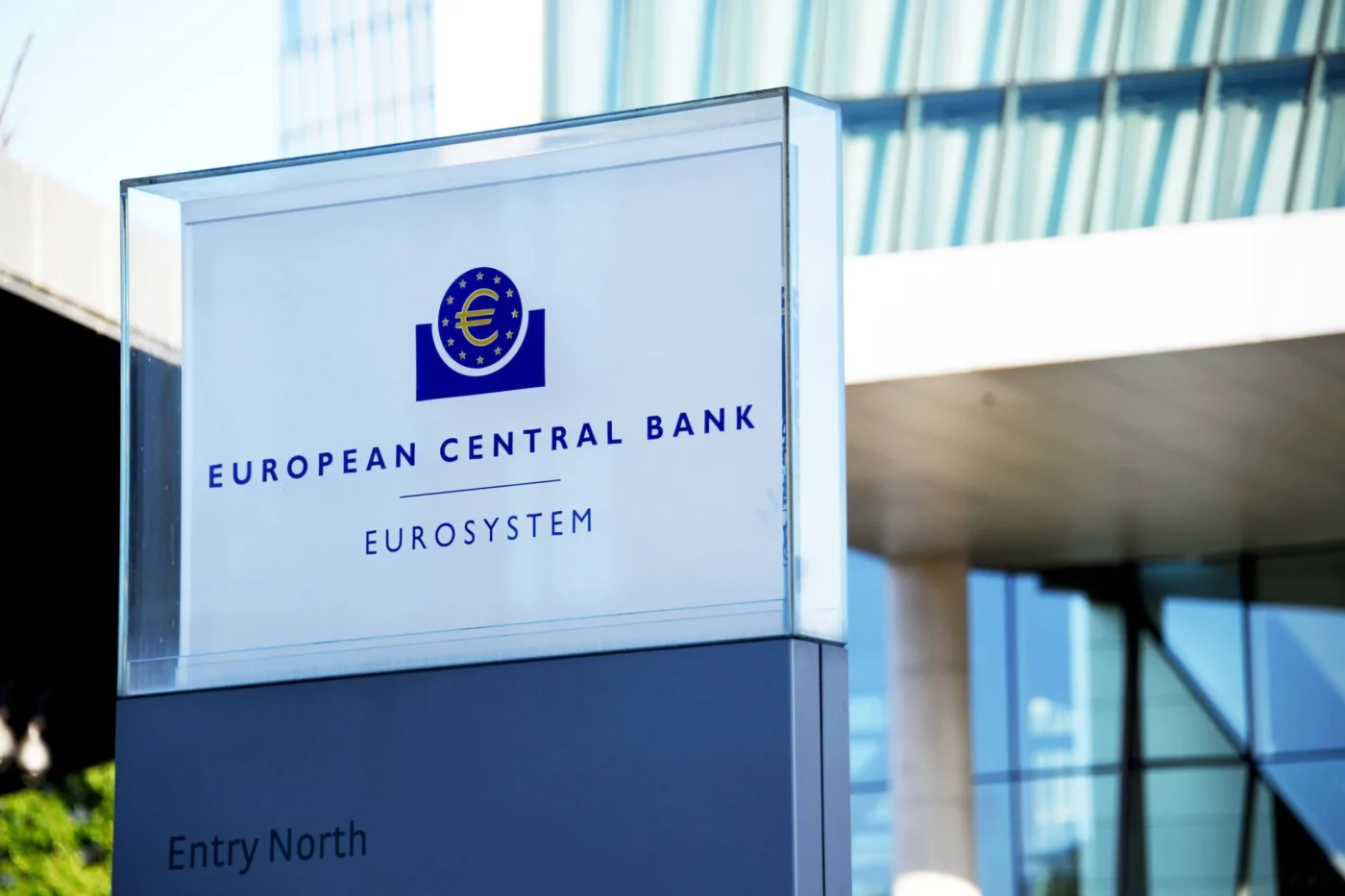
Financial markets have effectively priced in an interest rate increase at the ECB’s upcoming September 10 policy meeting. According to LSEG data, there’s a 98.9% implied probability of a 0.25 percentage point rise, which would elevate the deposit rate to 2.5%.

The central bank previously increased rates to 2.25% during its June meeting, marking its first rate adjustment since 2023. That decision was prompted by mounting inflationary pressures stemming from the Iran crisis.
Isabel Schnabel, a member of the ECB’s executive board, indicated last week that additional rate increases might be necessary given persistent inflation risks. Central bank officials have been carefully monitoring whether rising energy costs begin to filter through to wage settlements and services pricing.
Economic Headwinds Mounting for Companies
Economic analysts are cautioning that an additional rate hike will intensify pressures already affecting the euro zone economy. Households carrying significant debt burdens will face increased mortgage payments, while companies will encounter higher borrowing expenses.
Small and medium-sized businesses appear particularly vulnerable in this environment. For numerous enterprises, escalating financing costs could result in delayed or abandoned capital investment projects.
According to Joe Nellis, who leads economic research at MHA, the ECB confronts a difficult balancing act between containing inflation and safeguarding economic expansion.
While the euro zone economy has demonstrated reasonable strength thus far, the twin pressures of elevated energy costs and restrictive credit conditions are anticipated to challenge this resilience in coming months.
The ECB’s next policy announcement is scheduled for September 10, when a rate decision will be delivered.
Get 3 Free Stock Ebooks
Discover top-performing stocks in AI, Crypto, and Technology with expert analysis.
- Top 10 AI Stocks - Leading AI companies
- Top 10 Crypto Stocks - Blockchain leaders
- Top 10 Tech Stocks - Tech giants



