



Key Takeaways
- Brent crude climbed 0.9% to $89.28 per barrel on Monday following a 5%+ weekly increase
- Iranian strikes on oil tankers have effectively halted shipping through the Strait of Hormuz
- Vessel traffic dropped from over 130 ships daily to just five on Saturday and zero on Sunday
- Diplomatic talks between Iran and Oman continue, though Washington remains excluded from negotiations
- OPEC and IEA both reduced their 2026 global oil demand projections last week
Crude oil markets extended their rally on Monday as geopolitical tensions in the Middle East and severe disruptions to a critical global shipping corridor continued to support prices.
Brent crude futures climbed 0.9% to reach $89.28 per barrel during early session trading. Meanwhile, U.S. West Texas Intermediate crude edged up 0.2% to $82.60 per barrel.
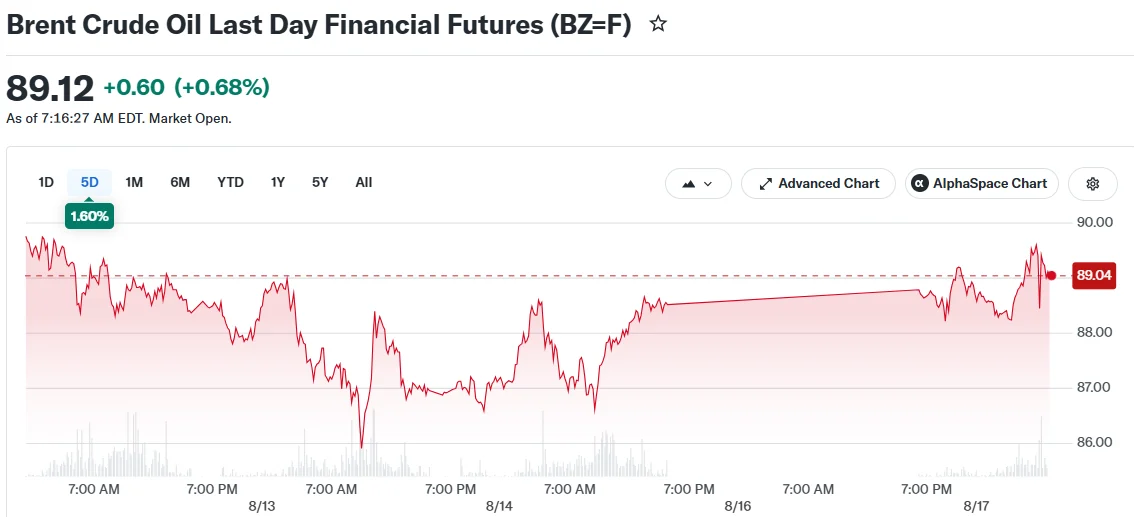
The benchmark Brent contract posted gains exceeding 5% during the previous week. Escalating confrontation between Washington and Tehran, which has severely impacted petroleum and natural gas transport, served as the primary catalyst.
Hormuz Waterway Experiences Catastrophic Traffic Decline
The Strait of Hormuz, previously handling over 130 vessel transits each day prior to hostilities, has experienced a dramatic collapse in maritime activity. Iranian military operations targeting tankers attempting passage have effectively deterred commercial shipping.
Maritime tracking information from Kpler, as reported by Reuters, indicated only five ships successfully navigated the strait on Saturday. By Sunday, that figure had plummeted to zero.

Prior to the combined U.S.-Israeli military operations against Iran that commenced in late February, this strategic waterway represented one of the planet’s busiest transit points for crude oil and liquefied natural gas shipments.
Washington has additionally established a naval blockade targeting Iranian harbors and has indicated its intention to maintain this posture for an extended period.
Iran’s top diplomat stated during the weekend that Tehran is not conducting direct negotiations with American officials. The United States has warned of additional economic sanctions designed to compel Iran toward the bargaining table.
ING’s analytical team noted that military strikes against commercial vessels are heightening supply disruption concerns and complicating prospects for a diplomatic resolution between Washington and Tehran.
Diesel Markets Face Severe Tightness
Although crude oil prices remained elevated, refined petroleum products experienced greater stress from the ongoing conflict. ANZ’s research team identified diesel as the most constrained segment of the oil complex.
Processing facility outages throughout Gulf states have impacted diesel manufacturing and shipments, even as worldwide consumption of the transportation fuel remains robust.
The crisis is being compounded by ongoing hostilities in Ukraine. Kyiv’s persistent targeting of Russian petroleum facilities is adding additional pressure to already constricted markets.
ANZ’s analysts cautioned that diesel availability could deteriorate further in upcoming months without meaningful improvements to current circumstances.
Notwithstanding these supply constraints, both OPEC and the International Energy Agency revised their 2026 worldwide oil consumption forecasts downward last week. These bearish demand projections had minimal impact on market sentiment.
Reports suggest Iran and Oman are progressing toward a framework agreement regarding Strait of Hormuz administration. Nevertheless, the United States remains absent from these deliberations and continues to insist on unimpeded access through the strategic passage.
MUFG’s energy analyst Soojin Kim stated that geopolitical volatility and threats to essential shipping corridors are maintaining an elevated risk premium in crude valuations.
Get 3 Free Stock Ebooks
Discover top-performing stocks in AI, Crypto, and Technology with expert analysis.
- Top 10 AI Stocks - Leading AI companies
- Top 10 Crypto Stocks - Blockchain leaders
- Top 10 Tech Stocks - Tech giants



