



TLDR
- Crude oil prices climbed approximately 3.5% on Monday following renewed U.S.-Iran hostilities
- Iran announced closure of the Strait of Hormuz after a merchant ship was struck and ignited
- U.S. military authorities challenged the shutdown claim, asserting the passage remains accessible
- South Korean equities plummeted nearly 9%, with semiconductor manufacturer SK Hynix declining over 15%
- Maritime traffic through the Strait of Hormuz fell to just six vessels on Sunday, marking a five-week low
Crude oil markets experienced a significant rally on Monday as escalating military confrontations between Washington and Tehran rekindled concerns about petroleum supply security through the strategically vital Strait of Hormuz.
Brent crude futures advanced 3.5% to reach $78.68 per barrel. West Texas Intermediate similarly gained 3.5%, settling at $73.89 per barrel. During early trading, both benchmarks had surged as high as 4.5% before moderating.
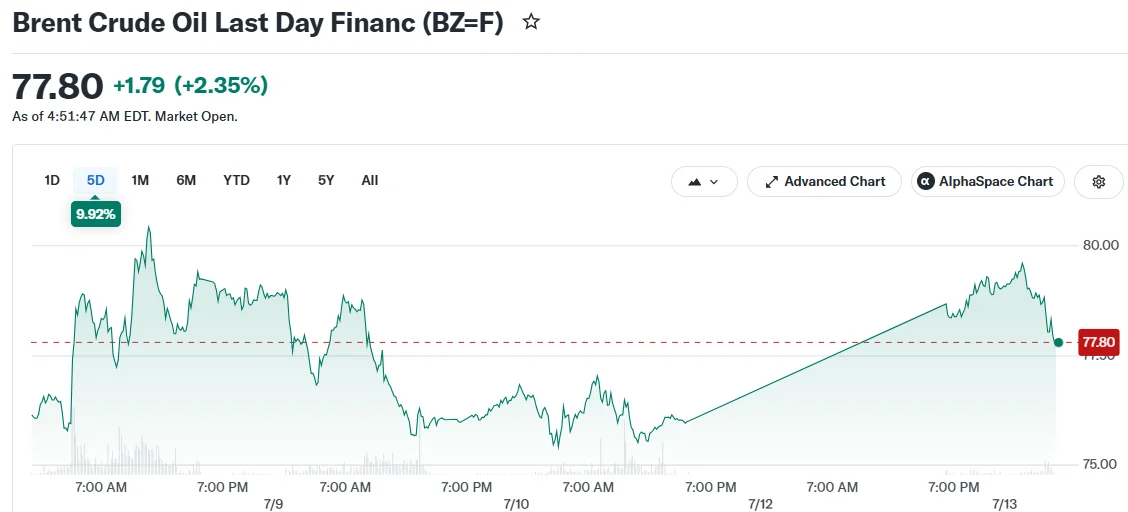
The price escalation followed a weekend barrage of Iranian missile and unmanned aerial vehicle strikes targeting Gulf nations, including Qatar and the United Arab Emirates. These attacks were launched as retaliation for American military operations against Iranian installations.
Iran’s Revolutionary Guards subsequently announced an indefinite blockade of the Strait of Hormuz. This declaration emerged after a civilian merchant vessel sustained damage from an attack and caught fire, compelling the crew to evacuate.
Implications of Hormuz Strait Disruption for Energy Markets
The Strait of Hormuz represents the world’s most critical petroleum shipping corridor. This narrow waterway facilitates crude exports from major producers including Saudi Arabia, Iraq, Kuwait, and the United Arab Emirates.

Prolonged interruptions could compel Asian oil refineries to secure alternative supply sources. Such disruptions would simultaneously increase transportation and insurance expenses.
Maritime tracking information revealed only six vessels successfully navigated the strait on Sunday. This represents the weakest transit volume recorded in five weeks.
The U.S. military’s Central Command announced on X that the waterway remained “open to all vessels seeking to lawfully transit,” directly disputing Iran’s closure declaration.
Despite official reassurances, shipping companies maintained a cautious approach. Maritime traffic experienced a pronounced slowdown throughout the weekend, according to ANZ market analysts.
Stock Markets Take a Hit
Equity markets across Asia experienced substantial losses on Monday. South Korea’s Kospi index tumbled as much as 9% during trading, pressured by aggressive selling in technology sector stocks.
SK Hynix plunged more than 15% in Seoul trading. The memory chip producer has now surrendered nearly 40% of its market capitalization since reaching an all-time peak last month. This decline occurred shortly after its American depositary receipts climbed almost 13% following a landmark $26.5 billion equity offering in New York.
Samsung shares declined more than 10%. Japanese semiconductor equipment manufacturers Advantest and Tokyo Electron also posted significant losses.
Investors are simultaneously monitoring the approaching corporate earnings reporting period. Financial results from TSMC and ASML are scheduled for release this week, alongside earnings announcements from JP Morgan, Bank of America and Goldman Sachs.
Market strategist Fawad Razaqzada suggested the geopolitical situation could deteriorate rapidly, though energy analysts emphasized that crude prices are unlikely to revisit the extreme levels witnessed when hostilities initially erupted in February.
The International Energy Agency indicated last week that persistent interruptions to Hormuz maritime traffic could undermine anticipated gains in worldwide petroleum supply. Global oil output had recovered by 4.1 million barrels daily in June as shipments through the strait temporarily normalized.
Get 3 Free Stock Ebooks
Discover top-performing stocks in AI, Crypto, and Technology with expert analysis.
- Top 10 AI Stocks - Leading AI companies
- Top 10 Crypto Stocks - Blockchain leaders
- Top 10 Tech Stocks - Tech giants



