



TLDR
- Brent benchmark declined 2.5% to reach $86.38 per barrel while WTI slid 2.2% to $80.53
- Tehran and Muscat engaged in diplomatic discussions regarding temporary Hormuz reopening plan
- Joint agreement reached on collaborative mine-clearing operations in the strategic waterway
- Weekly crude losses exceed 6% driven by positive diplomatic developments
- Escalating Russia-Ukraine conflict introduces additional complications for global supply
Crude markets experienced their third consecutive session of losses on Tuesday following diplomatic discussions between Iran and Oman that sparked optimism about potentially reopening the strategically vital Strait of Hormuz.
The international Brent benchmark for October contracts declined 2.5% to settle at $86.38 per barrel. Meanwhile, the U.S. West Texas Intermediate benchmark retreated 2.2% to $80.53, having briefly traded beneath the $80 threshold during intraday trading. Both crude markers were heading toward their weakest settlements in approximately two weeks.
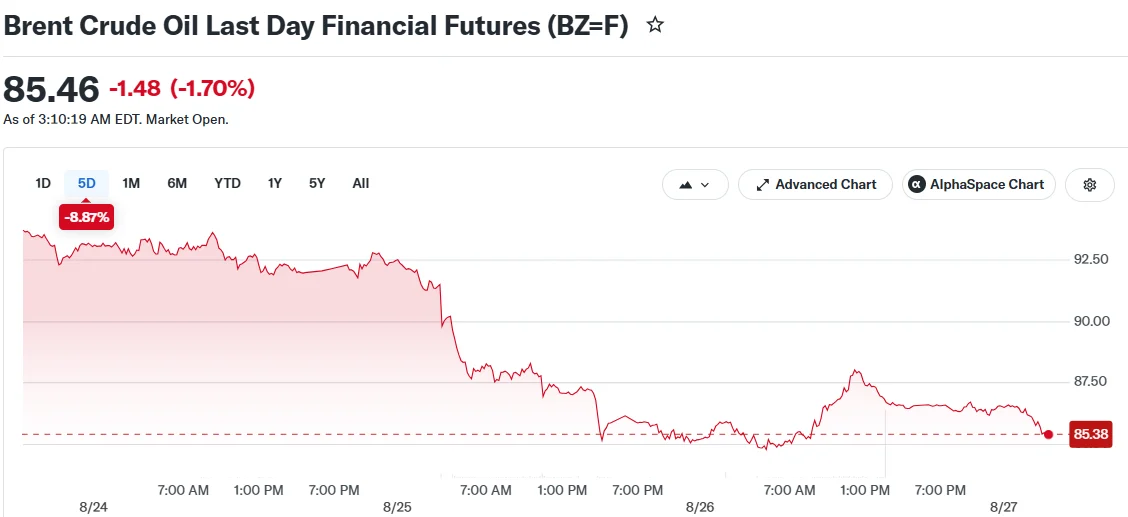
The selloff intensified after Iranian and Omani officials announced that their foreign ministers conducted negotiations in Tehran focused on establishing a provisional mechanism to restore access to the Strait of Hormuz. The critical chokepoint previously facilitated approximately 20% of global crude shipments before hostilities interrupted transportation.
According to a joint communiqué issued by both nations, the preliminary framework under consideration would create a temporary navigation channel through the contested waterway. Additionally, the countries committed to coordinated efforts aimed at removing explosive devices from the strait.
Hormuz Deal Still Has Hurdles
President Trump declared via Truth Social that U.S. Naval forces had successfully neutralized or eliminated all explosive hazards within the strait. However, several energy analysts have expressed skepticism regarding this assertion.

The joint statement indicated that diplomatic engagement between Omani and Iranian representatives will persist, with objectives centered on finalizing a durable shipping passage and establishing long-term governance protocols for the strait.
However, energy strategists at ING cautioned that even successful negotiations between Muscat and Tehran would not immediately restore crude transportation to historical volumes. They emphasized that Washington would need to terminate its naval blockade of Iranian maritime facilities and relax economic penalties before meaningful restoration could materialize.
The United States intensified economic pressure on Iran through expanded sanctions earlier this week while cautioning international partners against commercial engagement with Tehran. Iranian officials accused Washington of deliberately undermining the potential Hormuz arrangement with Oman.
Nonetheless, Russian government-controlled media outlets reported that American and Iranian negotiators had finalized a fresh ceasefire framework scheduled for public announcement within days. Pakistan, serving as a regional intermediary, similarly indicated that reconciliation discussions were advancing productively.
Axios published reports indicating approximately 40 commercial vessels successfully navigated the strait during the weekend period. American diplomatic personnel are also expected to redeploy to the Middle East region shortly.
Russia-Ukraine Conflict Adds Supply Risk
Oil’s substantial weekly decline occurred despite emerging intelligence suggesting potential supply interruptions from alternative sources. Moscow is allegedly evaluating expanded ballistic missile campaigns targeting Kyiv and critical infrastructure following assessments that diplomatic negotiations have reached an impasse.
Ukrainian forces have historically responded to Russian military operations by conducting strikes against Moscow’s energy sector and petroleum processing facilities. Any intensification of hostilities could compound existing vulnerabilities within international supply networks.
Reports emerged that U.S. CIA Director John Ratcliffe made an unscheduled trip to Moscow this week for consultations with Russian counterparts. The specific topics addressed during those discussions remained undisclosed.
Maritime tracking information confirmed that vessel traffic through Hormuz continues operating significantly below historical capacity notwithstanding the recent diplomatic activity.
Get 3 Free Stock Ebooks
Discover top-performing stocks in AI, Crypto, and Technology with expert analysis.
- Top 10 AI Stocks - Leading AI companies
- Top 10 Crypto Stocks - Blockchain leaders
- Top 10 Tech Stocks - Tech giants



