



TLDR
- More than 30 trading positions faced liquidation in minutes on Sept. 3, with reported losses exceeding 5 million USDT on the AKEUSDT perpetual futures market at Binance
- The AKE token experienced a dramatic price jump from approximately $0.0076 to nearly $0.045, representing a surge of about 492%
- The exchange maintains its pricing mechanisms and liquidation protocols functioned correctly, citing market volatility as the cause
- Claims suggest the price movement resulted from a deliberate short squeeze rather than organic market activity
- The exchange has declined to provide compensation while the affected trader demands complete trading logs and risk management records
A cryptocurrency trader is reporting losses exceeding 5 million USDT following the liquidation of more than 30 trading positions on the AKEUSDT perpetual futures market at Binance on September 3.
The affected trader, identified on X as xunlu, reports the liquidations occurred rapidly around 5:44 a.m. UTC+8. The trader contends the price action resulted from deliberate coordination in the AKE trading environment rather than organic market forces.
The AKE Price Movement Breakdown
During the trading session, AKE experienced a dramatic price escalation from approximately $0.0076 to nearly $0.045. This represents an extraordinary increase of around 492% within a condensed timeframe.
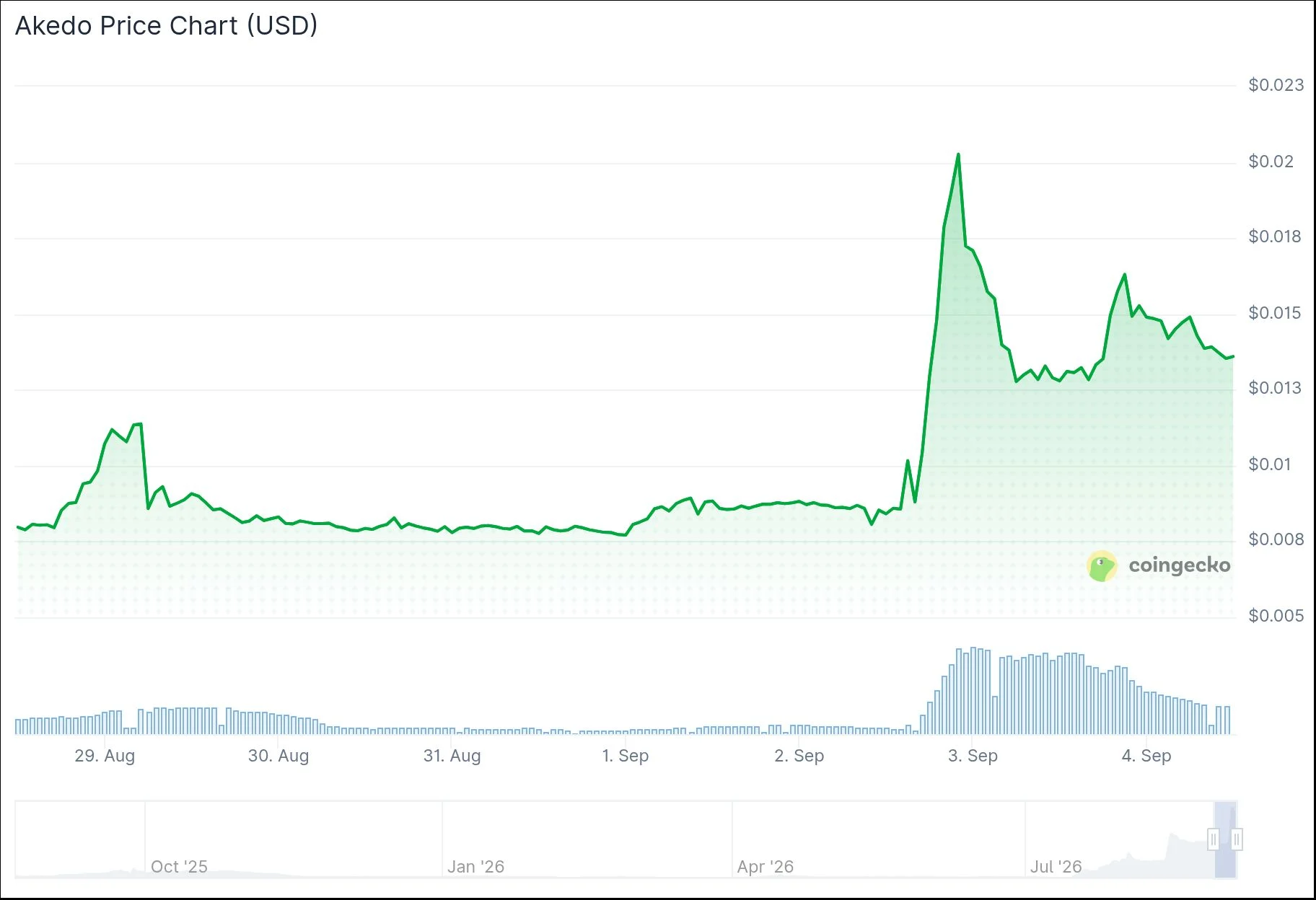
According to the trader, this abrupt price movement eliminated funding-rate arbitrage strategies. Such positions typically aim to capture periodic payments resulting from market rate differentials rather than speculating on directional price changes.
The exchange maintains its infrastructure operated without malfunction during the incident. Following an internal investigation, Binance reports finding no abnormalities in its pricing methodology, risk management systems, or liquidation procedures.

Understanding Binance’s AKE Mark Price Methodology
The exchange does not offer AKE trading on its spot platform. Consequently, the AKEUSDT perpetual futures contract derives its mark price from aggregated data across multiple external spot trading venues.
This composite index approach aims to protect against isolated price anomalies triggering widespread liquidation events. According to Binance, this mechanism performed according to design on September 3.
The affected trader disputes this assessment, claiming the mark price methodology nevertheless produced unjust liquidations. A formal request has been submitted to Binance for comprehensive disclosure of all transaction records, liquidation details, and risk management logs from the period in question.
Available aggregated spot market data confirms substantial volatility during September 3. While the peak combined spot price remained below the futures contract high referenced by the trader, the discrepancy remains inadequately clarified.
The exchange characterizes the liquidations as inherent consequences of employing leverage during periods of heightened market volatility. Binance has rejected the trader’s assertion of coordinated market manipulation.
The trader referenced a previous TUT liquidation incident where certain rival platforms provided restitution to impacted traders. Binance contends the circumstances of these two situations differ substantially.
Neither regulatory authorities nor independent examination bodies have publicly issued determinations regarding the trader’s allegations. While Binance has confirmed receipt of the complaint, no compensation arrangements have been disclosed.
The trader maintains efforts to obtain comprehensive data disclosure from the exchange regarding the incident.
Get 3 Free Stock Ebooks
Discover top-performing stocks in AI, Crypto, and Technology with expert analysis.
- Top 10 AI Stocks - Leading AI companies
- Top 10 Crypto Stocks - Blockchain leaders
- Top 10 Tech Stocks - Tech giants



