


Key Takeaways
- Shares of Bank of America plummeted approximately 5% following CEO Brian Moynihan’s cautionary outlook on Q3 investment banking performance, projecting a 10-20% year-over-year decline
- The bank’s projected investment banking fees of $1.6B-$1.8B for Q3 fall significantly short of the $2B generated in the same quarter last year
- Trading revenue is anticipated to remain unchanged compared to the previous year
- The negative sentiment spread across the banking sector, with Goldman Sachs declining approximately 4% and Morgan Stanley falling roughly 3.6%
- In contrast, Citigroup’s CFO presented a more optimistic picture, anticipating modest growth in investment banking revenue for Q3
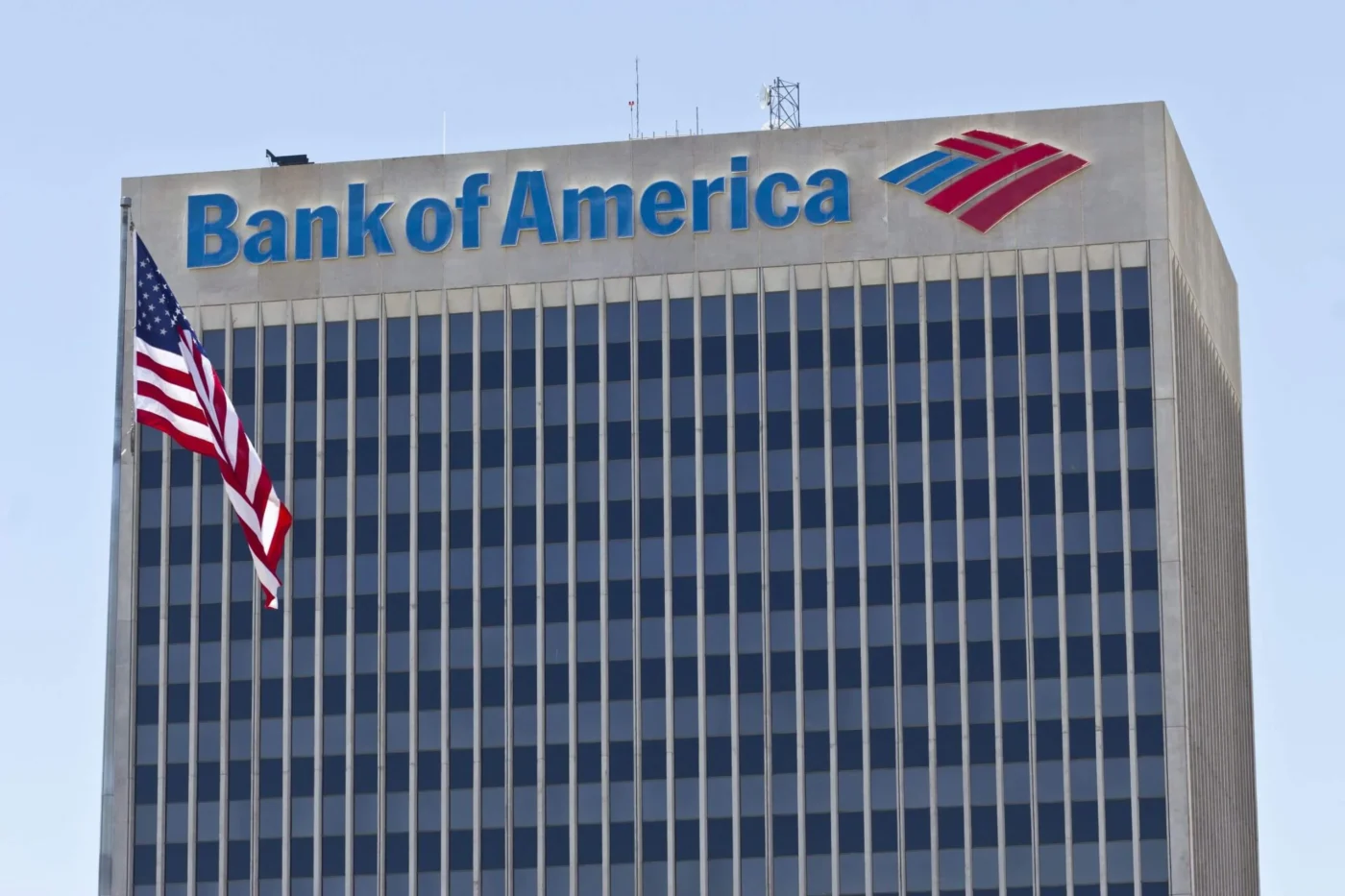
Bank of America experienced a significant decline of approximately 5% in its share price on Monday following CEO Brian Moynihan’s disappointing forecast for the bank’s third-quarter Wall Street operations during his presentation at the Barclays Global Financial Services Conference.
Bank of America Corporation, BAC
According to Moynihan, the bank’s investment banking fees are projected to land between $1.6 billion and $1.8 billion for the third quarter. This represents a decline of 10% to 20% compared to the $2 billion generated during the corresponding period in 2023.
This downturn marks a dramatic shift from the second quarter, when Bank of America posted a remarkable 50% surge in investment banking fees and recorded a 33% increase in trading revenue.
Revenue from sales and trading operations is projected to remain essentially unchanged on a year-over-year basis. Moynihan explained that the financing and prime brokerage momentum that had propelled earlier results dissipated during the summer months as market participants reduced their risk exposure.

The CEO admitted that this deceleration would complicate the bank’s efforts to demonstrate revenue expansion outpacing cost increases throughout the quarter.
Are Other Major Banks Facing Similar Headwinds?
The challenges confronting Bank of America appear to extend beyond a single institution. Research from Jefferies revealed that through September 3, investment banking revenue across eight prominent global financial institutions had declined 15% year-over-year and 27% from the second quarter.
Within the KBW Bank Index on Monday, Bank of America registered the steepest losses. Goldman Sachs retreated approximately 4%, Morgan Stanley shed around 3.6%, while Citigroup, JPMorgan Chase, and Wells Fargo each experienced declines ranging from 1% to 2%.
Industry-wide investment banking activity is similarly trending downward by roughly 10%, based on figures from Dealogic.
A portion of this slowdown has been attributed to a significant reversal in the global artificial intelligence investment trend that commenced in July. Technology behemoths and semiconductor manufacturers encountered selling pressure amid valuation concerns as capital expenditures on AI infrastructure continued to escalate.
Citigroup Projects More Optimistic Outlook
The challenges aren’t universal across the banking landscape. At the same investor conference, Citigroup CFO Gonzalo Luchetti shared that market revenue is projected to achieve mid-single-digit expansion year-over-year, driven by strength in equities, financing operations, and foreign exchange activities.
Luchetti indicated that investment banking revenue is expected to increase at a low-single-digit percentage, with possibilities for stronger performance if additional transactions are finalized before quarter-end. He emphasized that September represents a critical month for outcomes.
Goldman Sachs and JPMorgan Chase may enjoy more favorable positioning thanks to their extensive investment banking platforms and dominant positions in merger and acquisition advisory services and equity capital markets.
Regarding consumer banking, Moynihan noted that Bank of America’s loan portfolio and deposit base continue to expand, while net interest income remains consistent with projections. He expressed confidence in the fundamental strength of the American economy.
Despite the recent setback, Wall Street analysts maintain a Strong Buy consensus rating on Bank of America stock, with a mean price target of $68.86, suggesting approximately 15.7% potential upside from present trading levels.
Get 3 Free Stock Ebooks
Discover top-performing stocks in AI, Crypto, and Technology with expert analysis.
- Top 10 AI Stocks - Leading AI companies
- Top 10 Crypto Stocks - Blockchain leaders
- Top 10 Tech Stocks - Tech giants



