


Key Takeaways
- Major U.S. airline stocks surged more than 3% during premarket hours Monday following a significant decline in crude oil prices
- Brent crude tumbled 7.1% to reach $85.17 per barrel; WTI futures declined approximately 6%
- Tehran announced it would cease attacks on key transit corridors contingent upon the U.S. ending military operations in the area
- United Airlines previously initiated merger discussions with both Delta and American Airlines, though neither led to agreements
- July has been challenging for airline equities, with American Airlines down 20% month-to-date despite Monday’s uptick
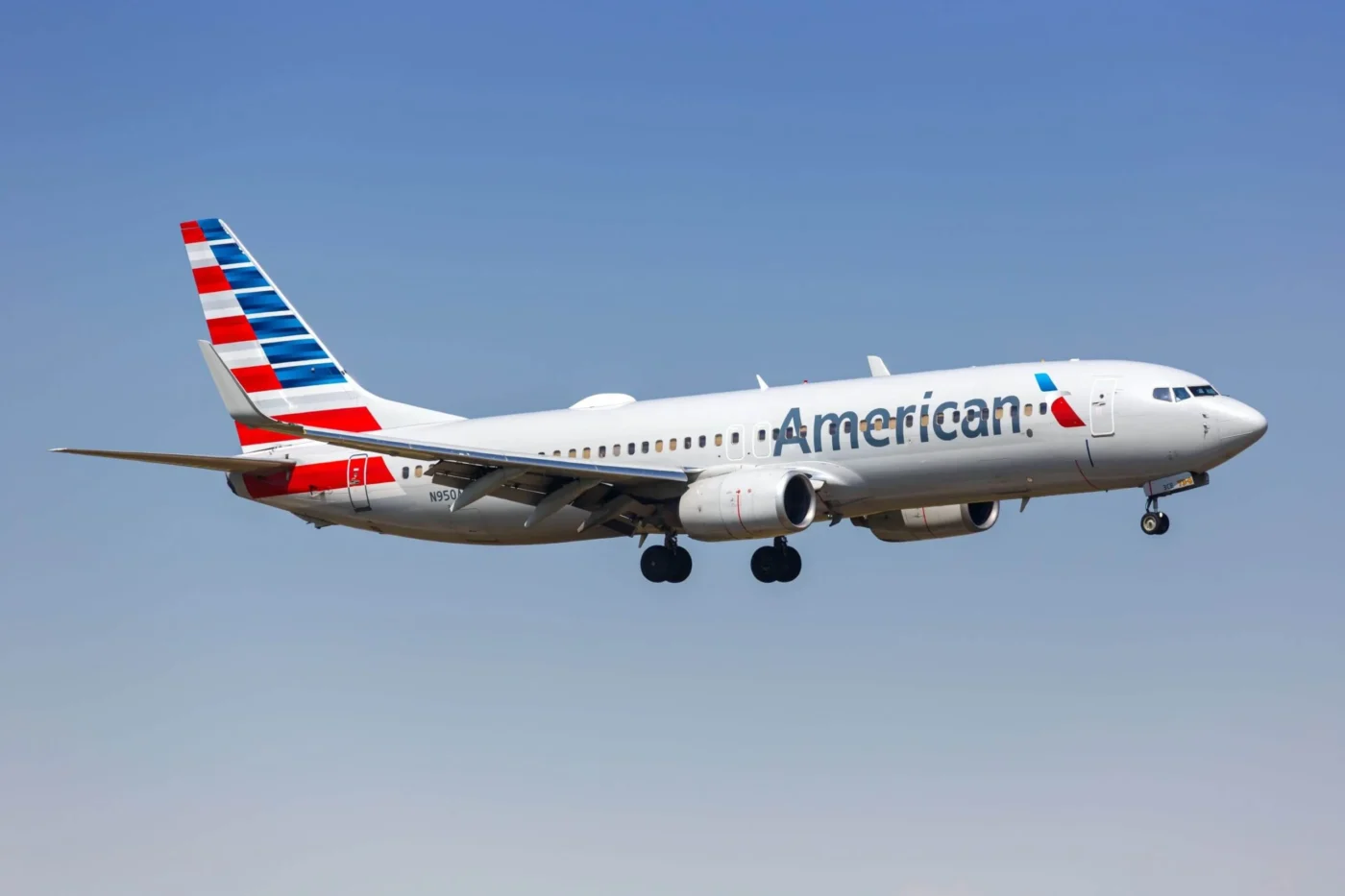
Shares of major U.S. airlines experienced strong premarket gains Monday morning as crude oil values declined sharply in response to diplomatic developments from Iran during the weekend.
Delta, United, American, Southwest, Alaska Air, and JetBlue each posted gains ranging from 2.9% to 4% ahead of market open.
American Airlines Group Inc., AAL
Crude Oil Decline Fuels Airline Rally
Brent crude futures plummeted 7.1% to settle at $85.17 per barrel during early Monday trading. This marked a substantial retreat from last week’s peak, when oil briefly touched $101 per barrel.
West Texas Intermediate (WTI) crude futures similarly declined by roughly 6% during the session.

The price decline followed a significant policy announcement from Iranian authorities over the weekend. Iranian officials stated they would cease military operations targeting vital transit corridors on the condition that Washington suspended its regional military activities.
Given that jet fuel represents one of the largest operational expenses for carriers, declining crude oil prices provide immediate relief to profit margins.
July Proves Challenging for Aviation Sector
Monday’s positive movement arrives following a particularly difficult month for airline equities.
Through Friday’s market close, the US Global JETS exchange-traded fund had declined 9.4% during July.
American Airlines led the sector’s losses, posting a 20% decline for the month. United registered a 13% drop, Southwest fell 12%, and Delta experienced a 9% decrease.
The sector-wide decline has been primarily attributed to elevated oil prices and an earnings reporting period that failed to fully restore investor confidence.
Nevertheless, the JETS ETF maintains an 18% gain over the trailing three-month period.
Consolidation Efforts Failed to Materialize
The Wall Street Journal disclosed over the weekend that United had initiated merger discussions with Delta during the previous year. Those exploratory conversations ultimately stalled.
United also reached out to American Airlines regarding a potential combination earlier this year. American declined to pursue the opportunity.
United CEO Scott Kirby explained in April that the strategic rationale centered on expansion opportunities, specifically regarding international route networks and connectivity to underserved markets.
Regardless of airline interest, substantial regulatory obstacles persist. A federal court blocked the attempted JetBlue-Spirit Airlines combination in early 2024 after the Department of Justice filed an antitrust challenge.
Spirit Airlines ultimately shut down operations in May following the collapse of a proposed government rescue package.
Given the improbability of major consolidation, declining oil prices represent the most tangible catalyst for airline stock appreciation through the remainder of the year.
Get 3 Free Stock Ebooks
Discover top-performing stocks in AI, Crypto, and Technology with expert analysis.
- Top 10 AI Stocks - Leading AI companies
- Top 10 Crypto Stocks - Blockchain leaders
- Top 10 Tech Stocks - Tech giants



