


Key Takeaways
- Investment banking firm Citi views the recent semiconductor decline as an attractive entry point, arguing concerns about AI investment are exaggerated
- Leadership at both Nvidia and Broadcom have dismissed slowdown worries, with Broadcom projecting $115 billion in AI chip sales by fiscal year 2027
- Anthropic’s CEO Dario Amodei proposed a coordinated slowdown in AI advancement, receiving support from Sam Altman and Elon Musk
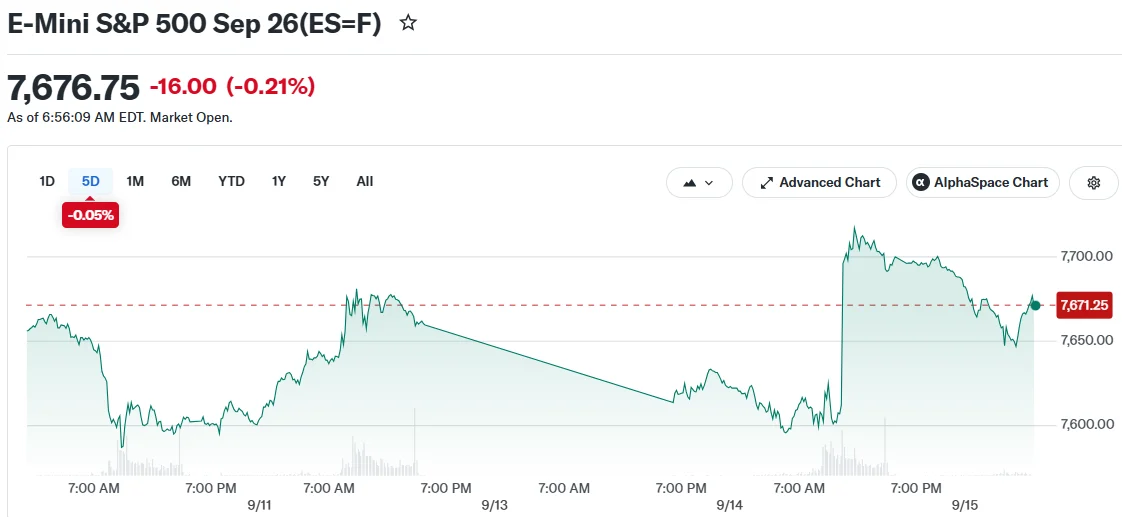
- Monday’s trading session saw the Dow decline 152 points, the S&P 500 lose 37 points, and the Nasdaq fall 146 points
- Crude oil prices reached $101.39 per barrel, marking the ninth increase in ten trading days and intensifying inflation concerns ahead of the Federal Reserve meeting
Equity markets retreated on Monday following proposals to decelerate artificial intelligence development that shook confidence in semiconductor stocks, though Citi advised clients that the downturn represents an attractive buying opportunity.
The Dow Jones Industrial Average decreased 152.09 points, declining 0.29% to settle at 52,421.20. The S&P 500 retreated 37 points, down 0.48% to finish at 7,619.98. The Nasdaq Composite surrendered 146.62 points, falling 0.56% to end at 26,186.41.
Market Catalyst Behind the Decline
Dario Amodei, chief executive of Anthropic, advocated for an internationally coordinated deceleration in AI model advancement, referencing concerns raised by a former employee whistleblower regarding potential dangers of unregulated artificial intelligence progress.
The proposal gained endorsements from OpenAI’s Sam Altman and SpaceX leader Elon Musk. In response, Microsoft released a preliminary framework governing AI model development practices. Microsoft stock climbed 2% to reach $505.41.
The semiconductor sector bore the brunt of selling pressure. Analysts noted that if leading AI companies reduce their development pace, data center expansion could decelerate, negatively impacting chip demand and pricing.

Nvidia shares declined 3.4% to close at $210.96. The PHLX Semiconductor index tumbled 5.9%. Corning, a supplier of fiber-optic components for data infrastructure, plummeted 14% to $143.60.
Citi Identifies Strategic Entry Point
In a research note issued Tuesday, Citi analysts argued that market anxiety over potential AI spending reductions is unwarranted. The firm highlighted recent statements from Nvidia and Broadcom executives who rejected the slowdown thesis.
Broadcom’s CEO Hock Tan confirmed the company remains committed to its fiscal 2027 projection of $115 billion in AI semiconductor revenues.
Citi’s analysis emphasized the strategic imperative of AI dominance, particularly within the context of technological rivalry between the United States and China, suggesting significant cutbacks in AI capital allocation are improbable. The research note referenced President Trump’s position that America must preserve its technological superiority over China.
Citi maintains Buy ratings on both Nvidia and Broadcom. The bank’s price objective for Nvidia stands at $315, while Broadcom carries a target of $515.
The investment bank suggested that a more measured deployment timeline might actually benefit equity valuations. A gradual expansion of AI infrastructure could sustain extended capital expenditure cycles, according to Citi’s assessment.
Energy markets also pressured stocks Monday, with crude oil futures advancing $1.34 to $101.39 per barrel. This marked the ninth gain in ten sessions, pushing September’s oil rally to 18%. Saudi Arabia closed a critical pipeline, while Houthi forces strengthened their grip on the Bab al-Mandeb shipping corridor.
The 10-year Treasury yield momentarily exceeded 5% during trading, reaching levels not seen since July 2007. Fed funds futures indicate a 95% probability of a rate increase when the Federal Reserve convenes Wednesday.
Federal Reserve Chairman Kevin Warsh is anticipated to lift rates to a range between 3.75% and 4%.
Bank of America dropped 5.1% to $59.47 following its CEO’s warning that investment banking revenues may contract during the current quarter.
Get 3 Free Stock Ebooks
Discover top-performing stocks in AI, Crypto, and Technology with expert analysis.
- Top 10 AI Stocks - Leading AI companies
- Top 10 Crypto Stocks - Blockchain leaders
- Top 10 Tech Stocks - Tech giants



