


Key Points
- On July 15, 2026, US Treasury officials immobilized over $130 million in cryptocurrency connected to Iran’s Central Bank
- Tether froze $131 million in USDT across four Tron blockchain wallets following US government requests
- The action follows an earlier $344 million USDT freeze executed in April 2026
- These measures are components of Operation Economic Fury, a campaign focused on Iranian digital currency operations
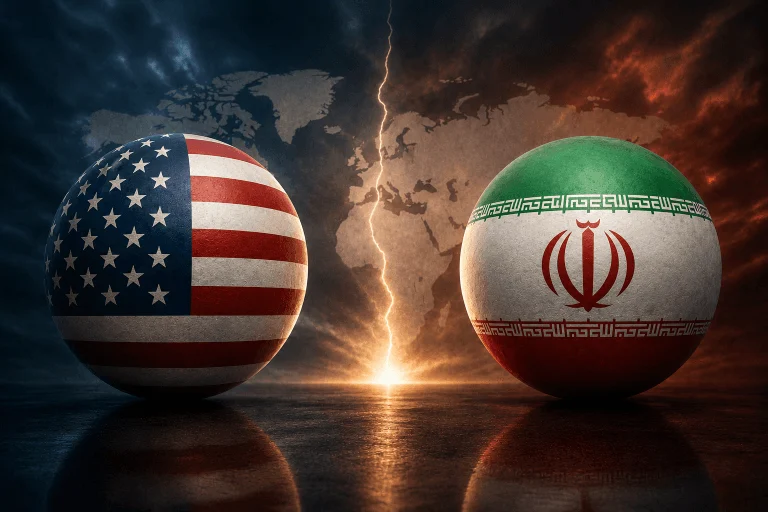
- Escalating military confrontations between the US and Iran have intensified, including recent strikes and naval blockades
The Treasury Department of the United States has immobilized cryptocurrency assets exceeding $131 million that authorities have traced to Iran’s Central Bank. On July 15, Treasury Secretary Scott Bessent announced the enforcement action, noting that the assets were contained in digital wallets previously sanctioned by the Office of Foreign Assets Control.
Blockchain analyst Specter discovered four digital wallets operating on the Tron network that collectively contained $131 million worth of USDT, Tether’s stablecoin. The company froze these addresses by utilizing embedded controls within the token’s architecture, rather than implementing modifications to the underlying Tron blockchain infrastructure.
“The US Treasury remains dedicated to disrupting and undermining Iran’s unlawful financial operations, including its exploitation of digital currencies,” Bessent stated. “Our pursuit of these illicit funds will remain relentless and aggressive.”
Ongoing Campaign Against Iranian Crypto Holdings
This recent enforcement action represents another step in a continuing effort by American regulators to neutralize Iranian cryptocurrency operations. Back in April 2026, Tether immobilized approximately $344 million in USDT contained within two separate Tron wallets after federal authorities established connections between these addresses and Iranian financial networks.
One particular wallet frozen during the April operation contained roughly $213 million. Forensic blockchain examination revealed transaction behaviors associated with Iran’s Islamic Revolutionary Guard Corps and intermediary entities connected to the Iranian Central Bank.
By May 2026, Secretary Bessent reported that cumulative US actions had resulted in the seizure or freezing of nearly $1 billion in cryptocurrency assets with Iranian links. Initial assessments following the April enforcement had estimated the total closer to $500 million.
These freezing actions form part of Operation Economic Fury, a comprehensive US initiative that began in March 2025. The operation specifically targets cryptocurrency platforms, digital wallets, and conventional financial channels suspected of facilitating Iran’s sanctions evasion efforts and military financing activities.

Sanctions Strategy and Centralized Stablecoin Control
During June 2026, Treasury authorities imposed sanctions on four Iranian cryptocurrency platforms, with Nobitex among them. Government officials indicated that Nobitex processed over fifty percent of digital asset transfers into Iran throughout 2025.
The most recent enforcement demonstrates how centralized stablecoins such as USDT function as regulatory enforcement instruments. Unlike Bitcoin, USDT incorporates issuer-controlled mechanisms enabling Tether to prevent specific addresses from transferring funds.
Tether has deployed these freezing capabilities across multiple incidents, including both the April freeze of Iran-connected wallets and a separate July action targeting addresses allegedly associated with ISIS-K terrorist financing operations.
The $131 million asset freeze occurs during a period of significantly elevated military confrontation between the United States and Iran. US Central Command verified renewed strikes against Iranian military installations and the reactivation of a port blockade this week, following the collapse of a temporary June ceasefire.
Iranian military sources reported conducting drone attacks on American installations at Jordan’s Al Azraq Air Base on the identical date that authorities announced the cryptocurrency freeze.
Treasury officials have verified that the frozen wallets maintained direct links to Iran’s Central Bank and confirmed the funds remain immobilized. Official public disclosures have not revealed details regarding how Iranian authorities originally acquired these digital assets.
Get 3 Free Stock Ebooks
Discover top-performing stocks in AI, Crypto, and Technology with expert analysis.
- Top 10 AI Stocks - Leading AI companies
- Top 10 Crypto Stocks - Blockchain leaders
- Top 10 Tech Stocks - Tech giants



