


Key Highlights
- President Trump issued a stark warning to Oman against interfering in negotiations between Washington and Tehran
- The ceasefire agreement between the United States and Iran lapsed on Monday without a successor framework
- Maritime traffic through the critical Strait of Hormuz plummeted dramatically, with no ships recorded passing through on Sunday
- The President acknowledged the existence of a covert communication channel with Iran’s Revolutionary Guard
- Oil prices stood at $88.91 per barrel for Brent crude on Monday
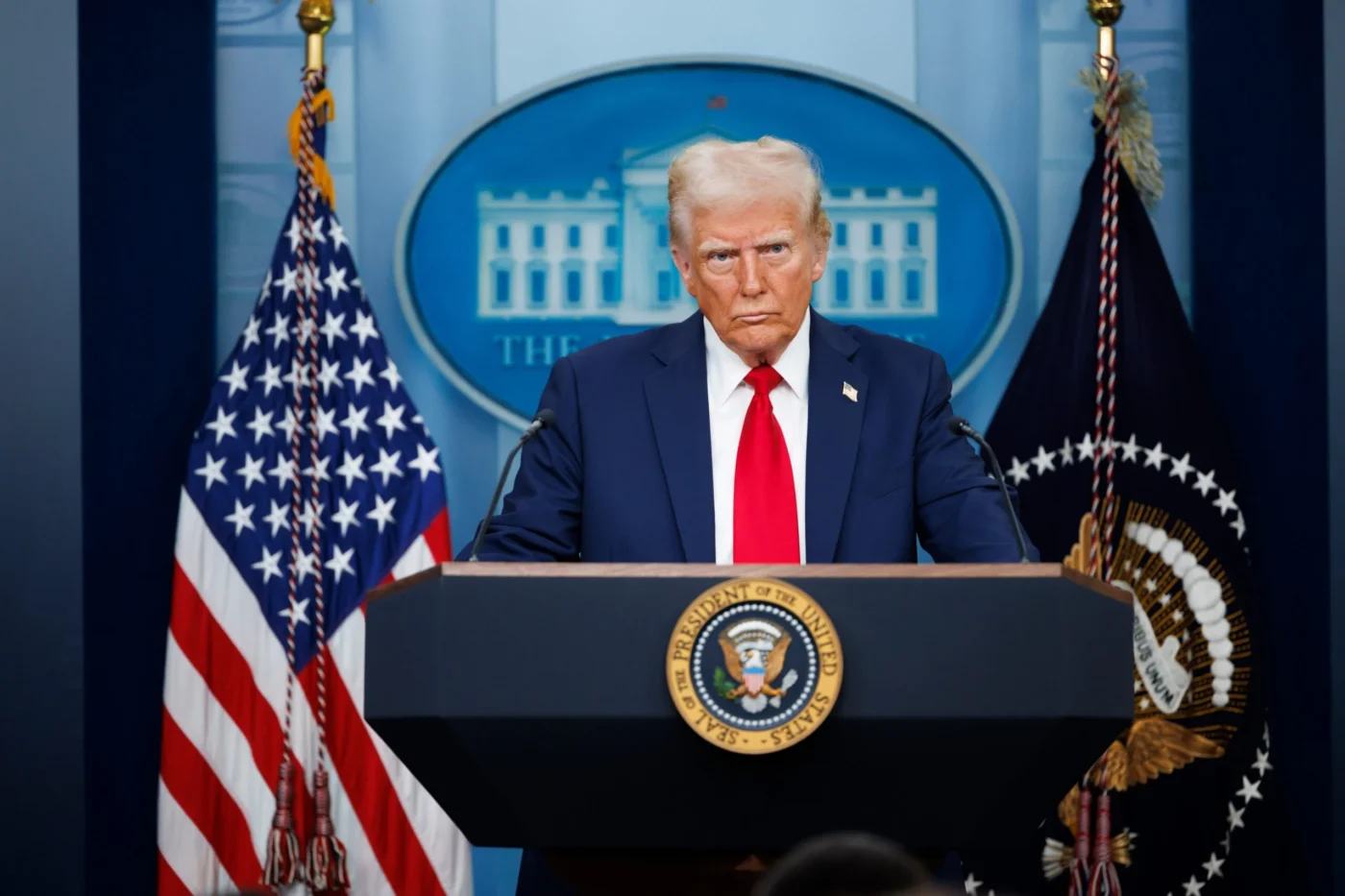
President Trump delivered a stark warning to Oman on Monday following the nation’s decision to pursue independent negotiations with Iran regarding the Strait of Hormuz. The threatening remarks emerged as the existing ceasefire arrangement between Washington and Tehran reached its expiration date.
BREAKING: 🇺🇸🇴🇲Trump says the US will bomb Oman if it gets in the way, Fox News reports.
The warning comes as Oman negotiates with Iran over jointly controlling navigation through the Strait of Hormuz.
The threat now could widen the Iran war and trigger another surge in oil… pic.twitter.com/quoiw8N3bh
— Coin Bureau (@coinbureau) August 17, 2026
During an interview with Fox News, the President declared he would launch devastating military strikes against Oman should the country obstruct American diplomatic initiatives with Iran. Trump also revealed the existence of a secret communication line with Iran’s Islamic Revolutionary Guard Corps, contradicting Iranian government statements that deny such direct discussions are underway.
BREAKING: President Trump confirms to Fox News’ @TreyYingst there is a backchannel with Iran Revolutionary Guard officials, says he’s in “no hurry” — and warns, “If Oman gets in the way, we’ll bomb the s— out of them”
— Fox News (@FoxNews) August 17, 2026
The temporary ceasefire arrangement, initially established in June, has essentially disintegrated following multiple assaults on maritime vessels navigating the Strait of Hormuz. The two-month understanding concluded on Monday without any replacement accord having been reached.
Maritime Activity Through Hormuz Collapses
Vessel movement through the strategic waterway has experienced a catastrophic decline. Shipping intelligence from Kpler, as reported by Reuters, indicates that merely five commercial cargo ships traversed the strait on Saturday, followed by a complete absence of traffic on Sunday. By comparison, the previous weekend recorded 31 vessels completing the passage.
Prior to the military operations conducted by the United States and Israel against Iranian targets in late February, daily vessel counts exceeded 130 ships moving through the strait. This crucial maritime corridor handles approximately one-fifth of global oil shipments and liquefied natural gas exports.
The situation deteriorated further following last week’s attacks on three tankers operated by the Abu Dhabi National Oil Company, incidents that were officially confirmed by the United Arab Emirates government.

Tehran announced it had engaged in discussions with Muscat regarding the potential reopening of the strait. Both nations possess coastlines along this vital waterway, providing them with considerable leverage over maritime access through the channel.
Washington Indicates Prolonged Military Deployment
American officials have indicated that the naval blockade of Iranian harbors could remain in effect for an extended period. This position has significantly diminished expectations for a rapid diplomatic breakthrough with the Iranian government.
Speaking to his political base, Trump announced his intention to formally designate the Strait of Hormuz as United States territory following the resolution of hostilities with Iran. Iran’s Deputy Foreign Minister firmly rejected this assertion, declaring that the strait “will be opened and closed only under Iran’s command.”
In a social media post on Monday, the President emphasized that the “number one Goal” of military operations against Iran “is, and always will be, that Iran cannot have, in any way, shape, or form, a Nuclear Weapon.”
Trump further indicated he feels “no hurry” regarding the Iranian situation, implying the current impasse may persist indefinitely. Diplomatic progress has remained virtually nonexistent since the collapse of the June framework agreement.
Brent crude futures registered at $88.91 per barrel during Monday trading sessions, showing a modest increase.
Get 3 Free Stock Ebooks
Discover top-performing stocks in AI, Crypto, and Technology with expert analysis.
- Top 10 AI Stocks - Leading AI companies
- Top 10 Crypto Stocks - Blockchain leaders
- Top 10 Tech Stocks - Tech giants



