


Key Points
- Trump declined Iran’s offer to reopen the strategically vital Strait of Hormuz
- Tehran’s Foreign Minister insists Iran won’t ease its demands for reopening the waterway
- US naval operations continue to block Iranian ports
- Potential for renewed US military action against Iran after November midterms
- Saudi coalition defenses neutralized Houthi drone and missile attacks targeting the kingdom
While departing the White House on Saturday, President Donald Trump announced he had declined a proposal submitted by Iran aimed at reopening the Strait of Hormuz waterway.
According to Trump, Iranian officials sought immediate reopening of the strategic passage. The president characterized the proposal as evidence that Tehran faces mounting economic hardship.
The Strait of Hormuz represents a critical maritime chokepoint situated between Iranian and Omani waters. Approximately one-fifth of global petroleum supplies transit through this narrow channel daily.
Tehran’s Position
Iran’s Foreign Minister Abbas Araghchi addressed the situation on Sunday, emphasizing that his country would not modify its preconditions for allowing passage through the strait.
Araghchi noted that Iran has yet to receive formal communication from Washington regarding the matter. He confirmed that Qatar and Pakistan are facilitating indirect communications between the adversaries.
The foreign minister stressed that diplomatic engagement represents the exclusive pathway toward resolving the maritime dispute.

Sources cited by Bloomberg indicated that American and Iranian representatives had been exploring a potential arrangement. The framework under consideration would have seen Iran permit navigation through the strait in exchange for Washington ending its naval blockade of Iranian harbors.
Such an arrangement would have mirrored a previous understanding reached in mid-June. That earlier accord produced a temporary cessation of hostilities, though it collapsed within several weeks.
Possible Military Action Post-Elections
The Wall Street Journal disclosed that Trump anticipates resuming aerial bombardment campaigns against Iranian targets. Such operations would commence following November’s congressional midterm elections.
The president expressed skepticism regarding Iran’s willingness to satisfy American requirements. When questioned about potential post-election strikes, Trump avoided providing a direct response.
During his address to the United Nations General Assembly last week, Iranian President Masoud Pezeshkian declared that Iran would prohibit unrestricted transit through Hormuz as long as American sanctions and the naval blockade persist.
Pezeshkian additionally asserted Iran’s determination to pursue nuclear technology development for civilian economic purposes.
Regional tensions intensified over the weekend when Saudi-led coalition forces reported intercepting two unmanned Houthi aircraft targeting Riyadh.
Coalition air defense systems also neutralized a ballistic projectile directed at Khamis Mushait in Saudi Arabia’s southern region. This incident occurred roughly one week after comparable missile warnings in the Saudi capital.
Oil prices retreated following these developments. Brent crude experienced a decline exceeding two percent during market activity.
Natural gas valuations similarly decreased throughout the trading session.
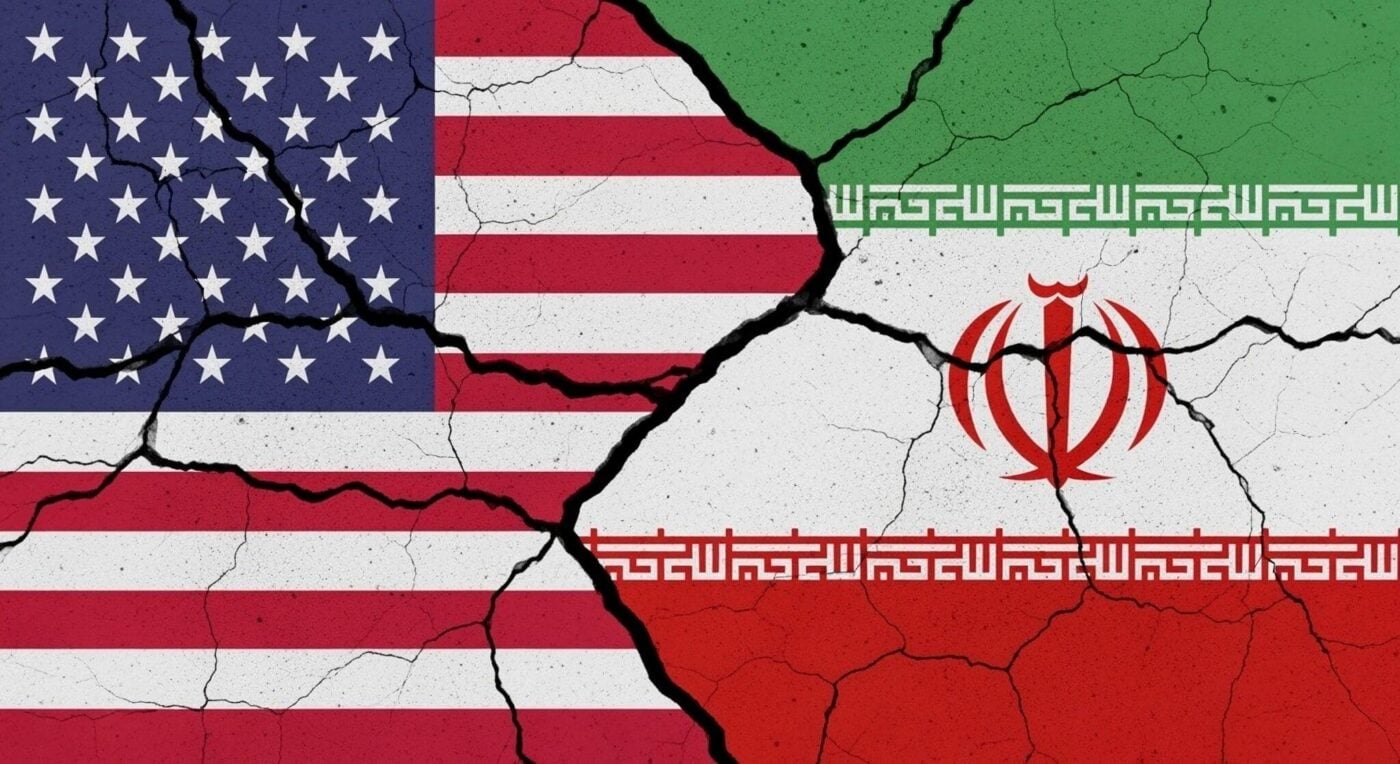
The ongoing confrontation leaves both Washington and Tehran without a negotiated settlement. Iran maintains its stipulations despite Trump’s public dismissal of its overture.
As of Sunday, no additional diplomatic discussions have been arranged between the parties.
Get 3 Free Stock Ebooks
Discover top-performing stocks in AI, Crypto, and Technology with expert analysis.
- Top 10 AI Stocks - Leading AI companies
- Top 10 Crypto Stocks - Blockchain leaders
- Top 10 Tech Stocks - Tech giants



