


Key Highlights
- The White House initiated an investigation into unauthorized disclosures regarding U.S. weapons inventories
- President warned of potential “long term jail sentences” for individuals responsible for classified information leaks
- Media outlets reported the U.S. had consumed “nearly exhausted 80%” of THAAD interceptor reserves
- According to Washington Post sources, Trump confronted the Defense Secretary, stating the shortage problem “had been fixed”
- Tehran’s government rejected claims that diplomatic talks with the U.S. are in progress
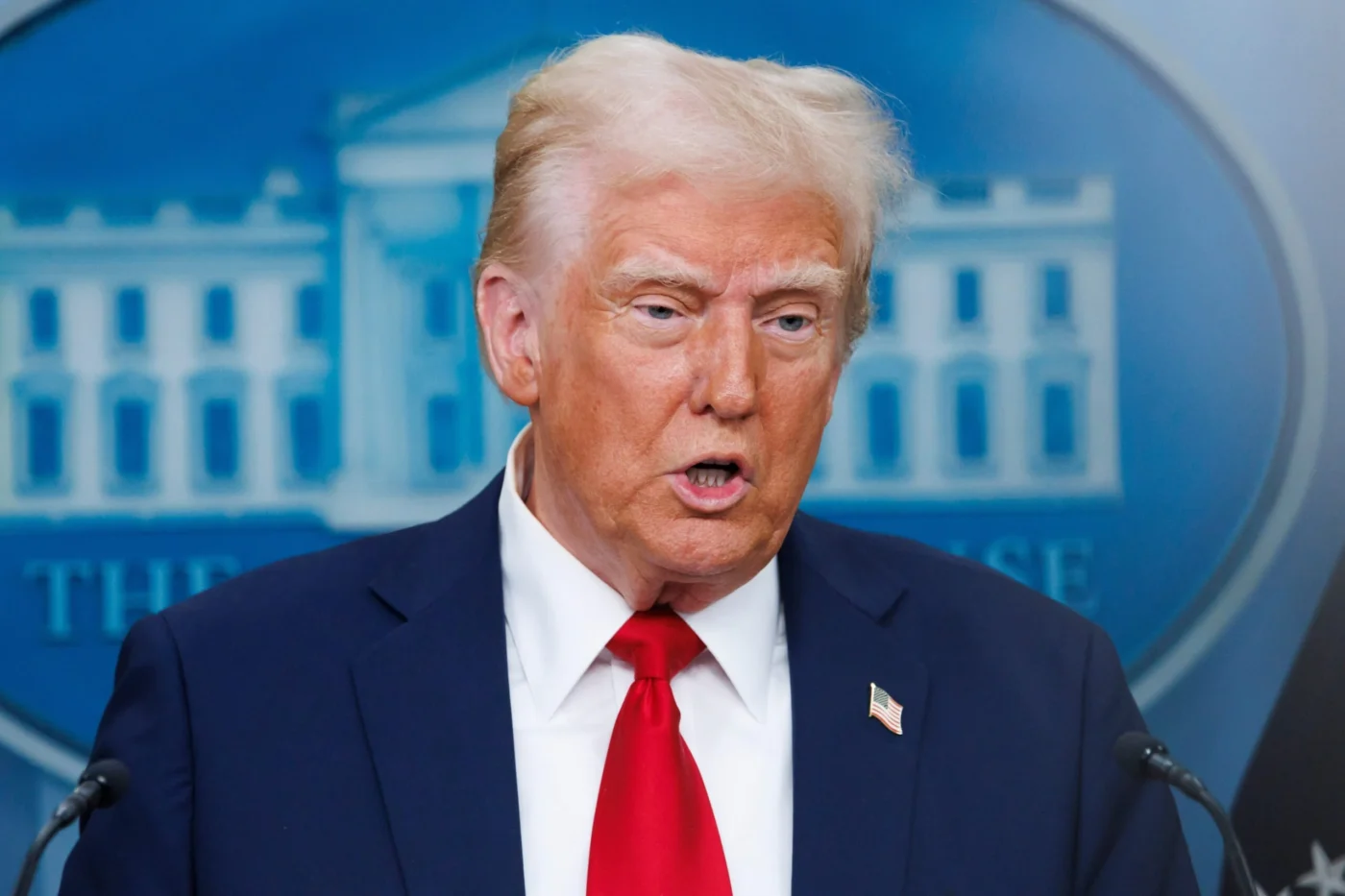
President Donald Trump has initiated formal inquiries into unauthorized disclosures concerning the Pentagon’s weapons inventories. The directive followed several weeks of media reports indicating potential shortages in U.S. military supplies amid escalating tensions with Iran.
The President used his Truth Social platform to vigorously dispute the published accounts. He maintained that America possesses “massive amounts of munitions especially of certain types” while highlighting that defense contractors are expanding manufacturing facilities at unprecedented rates.
Trump issued stern warnings to those behind the unauthorized disclosures. “The ‘leakers’ of these treasonous statements are being hunted down,” the President declared, emphasizing that authorities would pursue “long term jail sentences.”
Press Secretary Karoline Leavitt reinforced the President’s position. She emphasized that America maintained “more than enough firepower” for any necessary operation and cautioned that disclosing classified military intelligence could trigger federal criminal charges.
In comments to the press, Trump conceded that certain munitions categories faced tighter supplies than others. However, he maintained the nation remained “in very good shape” regarding overall military readiness.
Details From Media Accounts
CNN’s reporting indicated that limited availability of extended-range precision missiles and defensive interceptors had begun influencing U.S. military planning. Their investigation revealed America had “nearly exhausted 80%” of available THAAD interceptor inventory.

The Washington Post disclosed that Trump challenged Defense Secretary Pete Hegseth regarding the supply situation during a Cabinet session at Camp David the previous Friday. According to two individuals familiar with the discussion, Trump expressed his belief that the matter “had been fixed.”
The Wall Street Journal indicated that Trump has expressed private concern that such media coverage might embolden Iranian leadership and undermine American diplomatic pressure regarding Tehran’s nuclear ambitions.
The Journal further revealed that Trump held discussions about arsenal conditions with Hegseth and top national security advisors. These conversations encompassed strategies to accelerate munitions manufacturing.
Administration Officials Reject Media Claims
White House officials disputed the Camp David reporting. Leavitt dismissed it as “fake news” and stated the purported conversation between Trump and Hegseth “literally never happened.”
Pentagon Chief Spokesman Sean Parnell characterized both the reported confrontation and weapons shortage claims as “equally fictional.”
The White House has requested congressional approval for billions in funding to restore inventories and enhance production capacity. Significant portions of that requested funding remain under legislative review.
Iran’s diplomatic representatives denied any ongoing negotiations with Washington. This rebuttal came despite Trump’s suggestions that Tehran was interested in reaching an agreement.
The media reports have intensified scrutiny of the administration’s handling of the Iran situation. Trump has neither confirmed nor refuted specific inventory numbers.
Get 3 Free Stock Ebooks
Discover top-performing stocks in AI, Crypto, and Technology with expert analysis.
- Top 10 AI Stocks - Leading AI companies
- Top 10 Crypto Stocks - Blockchain leaders
- Top 10 Tech Stocks - Tech giants



