



Key Takeaways
- Senate rejected the CLARITY Act with a 49-50 procedural vote, missing the required 60-vote threshold
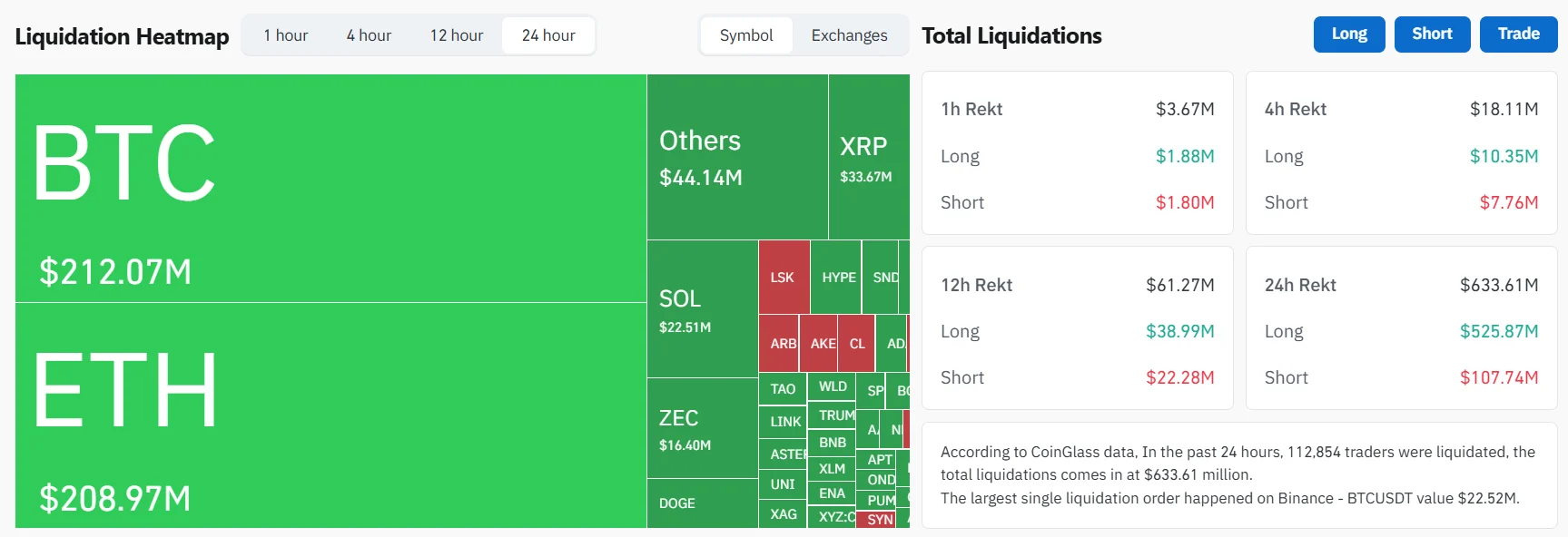
- Approximately $571 million in long crypto derivatives positions were force-liquidated within 24 hours
- Bitcoin and Ethereum each experienced around $190 million in forced long closures
- Bitcoin plunged beneath $75,000 following the Senate decision, retreating from nearly $80,000 earlier this week
- While the CFTC and SEC retain authority to establish regulations independently, comprehensive legislative reform has hit a roadblock
A procedural setback in the U.S. Senate crushed hopes for crypto regulation clarity, unleashing a devastating liquidation cascade that eliminated hundreds of millions in leveraged positions overnight.
[[EMBED_0]]
Senate lawmakers cast a 49-50 vote on advancing the CLARITY Act, falling dramatically short of the 60-vote supermajority required for progression. The proposed legislation aimed to establish comprehensive federal oversight of digital assets, including definitive frameworks for crypto market structure and exchange operations.
The crypto market had been anticipating favorable results. Bitcoin surged from approximately $77,000 to approach the $80,000 threshold earlier this week following indications that President Donald Trump might accommodate modifications to the bill’s ethics requirements.
The vote’s failure triggered an immediate price reversal.

Data shows approximately $300 million in leveraged bullish positions were force-closed within a mere 20-minute window. Over the subsequent 24-hour period, total long liquidations reached about $571 million—marking the largest single-day liquidation event since August 22, per CoinGlass data.
Short positions represented only roughly $100 million of aggregate liquidations.
Bitcoin and Ethereum Bear the Brunt
The two largest cryptocurrencies suffered disproportionate losses, with Bitcoin and Ethereum each recording approximately $190 million in forced long closures. XRP experienced around $30 million in liquidated long positions, while Solana saw approximately $22 million wiped out.
Market strategists had previously identified Ethereum and decentralized finance tokens as probable beneficiaries should the legislation succeed. Those bullish positions quickly reversed following the negative vote outcome.
High leverage amplified the market downturn. As Bitcoin declined, trading platforms automatically liquidated positions failing to satisfy margin requirements. These forced sales accelerated price declines, creating a cascading effect that triggered additional liquidations throughout the market.
Bitcoin dropped beneath the $75,000 level after the vote and was hovering near $75,700 as of this writing.
Additional Headwinds Compounding Bitcoin’s Decline
The Senate’s decision wasn’t Bitcoin’s sole challenge. Treasury yields hovering near 5%, rising oil prices, and anticipation of more restrictive Federal Reserve monetary policy had already been constraining price appreciation.
These macroeconomic factors had previously prevented Bitcoin from establishing support above $82,000 in recent trading sessions.
The legislative setback introduced additional downward pressure during an already fragile period.
Both the CFTC and SEC maintain authority to implement regulations independently, though comprehensive cryptocurrency legislation through congressional channels appears increasingly unlikely in the immediate future.
For market participants maintaining leveraged exposure, Bitcoin must establish stable support between $75,000 and $76,000. Additional downside could expose lower technical support zones, particularly if Treasury yields remain elevated.
The liquidation wave’s immediate destruction has already materialized.
Get 3 Free Stock Ebooks
Discover top-performing stocks in AI, Crypto, and Technology with expert analysis.
- Top 10 AI Stocks - Leading AI companies
- Top 10 Crypto Stocks - Blockchain leaders
- Top 10 Tech Stocks - Tech giants



