


TLDR
- RKLB shares surged approximately 7% Monday following a Cantor Fitzgerald Buy rating reaffirmation
- June 22 Nasdaq-100 addition identified as major catalyst, likely triggering passive fund inflows and ETF purchases
- KeyBanc elevated RKLB to Overweight status with $135 price target, highlighting over 30% appreciation potential
- Recent price decline attributed to capital reallocation following SpaceX’s Nasdaq listing, not operational concerns
- Analyst consensus stands at Strong Buy with mean price target of $108.70 and upper target of $150
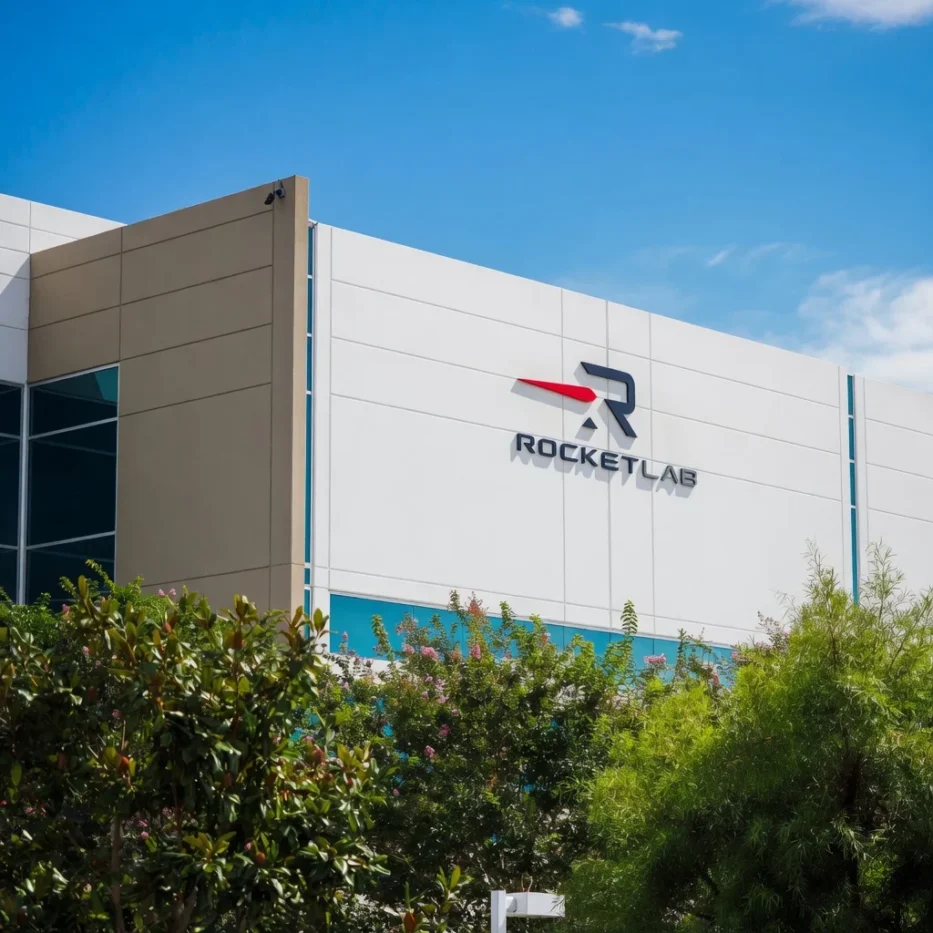
Shares of Rocket Lab (RKLB) climbed approximately 7% Monday after a pair of analyst endorsements refocused attention on the aerospace stock following an 11% decline on June 12.
The stock currently trades roughly 27% below its year-to-date peak reached in late May.
Cantor Fitzgerald’s Andres Sheppard emphasized June 22 as a critical milestone—the date Rocket Lab becomes part of the Nasdaq-100 Index. This addition elevates the company’s visibility among institutional investors while mandating purchases from passive index funds and ETFs.
Sheppard characterized RKLB’s Nasdaq-100 entry as “material”—a characterization that appears well-founded given the timing and market implications.

Beyond index membership, Sheppard identified what he termed “material moats” distinguishing Rocket Lab from emerging rivals. These advantages encompass an extensive launch success history, a three-vehicle portfolio (Electron, HASTE, plus the forthcoming Neutron), diversified commercial and government clientele, and operational launch facilities across New Zealand and the United States.
Sheppard holds position 1,456 among more than 12,200 analysts monitored by TipRanks, maintaining a 100% success rate on RKLB with an average 196.92% return per recommendation over one year.
KeyBanc’s Case for Buying the Dip
KeyBanc’s Michael Leshock elevated RKLB to Overweight with a $135 price objective—suggesting upside exceeding 30% from the prior session’s close. His investment thesis rests on the premise that recent weakness stemmed from market dynamics rather than operational deterioration.
When SpaceX completed its landmark Nasdaq listing, institutional portfolios rushed to establish positions in the newly public aerospace leader. This required liquidating existing space sector allocations—Rocket Lab included. Leshock characterized this as rotation-driven selling pressure, not fundamental weakness.
He emphasized a persistent structural deficit in launch availability that he anticipates will persist for more than ten years. Escalating satellite constellation demand and expanding global defense expenditures on space infrastructure reinforce this outlook.
Rocket Lab concluded Q1 with an order backlog surpassing $2.2 billion. The firm is also competing for prestigious contracts including NASA’s Mars Telecommunications Orbiter initiative.
Vertical Integration as a Long-Term Edge
Leshock underscored Rocket Lab’s vertical integration approach as a crucial competitive advantage. With approximately 90 successful Electron launches and increasing clarity surrounding its Neutron medium-lift vehicle, he noted the company demonstrates “institutional-grade” performance.
He believes RKLB is protecting itself from the characteristic exposure faced by small-launch operators through greater control of its technology stack—a methodology that echoes SpaceX’s sustained strategy.
Wall Street widely recognizes Rocket Lab as the undisputed second player in commercial space behind SpaceX.
The consensus outlook for RKLB registers as Strong Buy, reflecting 10 Buy recommendations and three Hold ratings. The mean price objective stands at $108.70, while the upper-range target reaches $150—indicating approximately 37% potential appreciation from present trading levels.
Get 3 Free Stock Ebooks
Discover top-performing stocks in AI, Crypto, and Technology with expert analysis.
- Top 10 AI Stocks - Leading AI companies
- Top 10 Crypto Stocks - Blockchain leaders
- Top 10 Tech Stocks - Tech giants



