


Key Takeaways
- The investor behind ‘The Big Short’ estimates Amazon, Meta, Alphabet, Microsoft and Oracle hold approximately $3 trillion in AI infrastructure commitments.
- Burry draws parallels between today’s AI investment frenzy and the dot-com crash, forecasting significant write-downs by 2028-2029.
- Nvidia pushed back with a detailed seven-page document challenging Burry’s assertions on chip depreciation schedules.
- The contrarian investor has expanded bearish bets on Micron, Nebius, Palantir and the broader semiconductor sector.
- Meanwhile, Burry is accumulating positions in deeply discounted retailers including Build-A-Bear, Birkenstock and Sprouts Farmers Market.
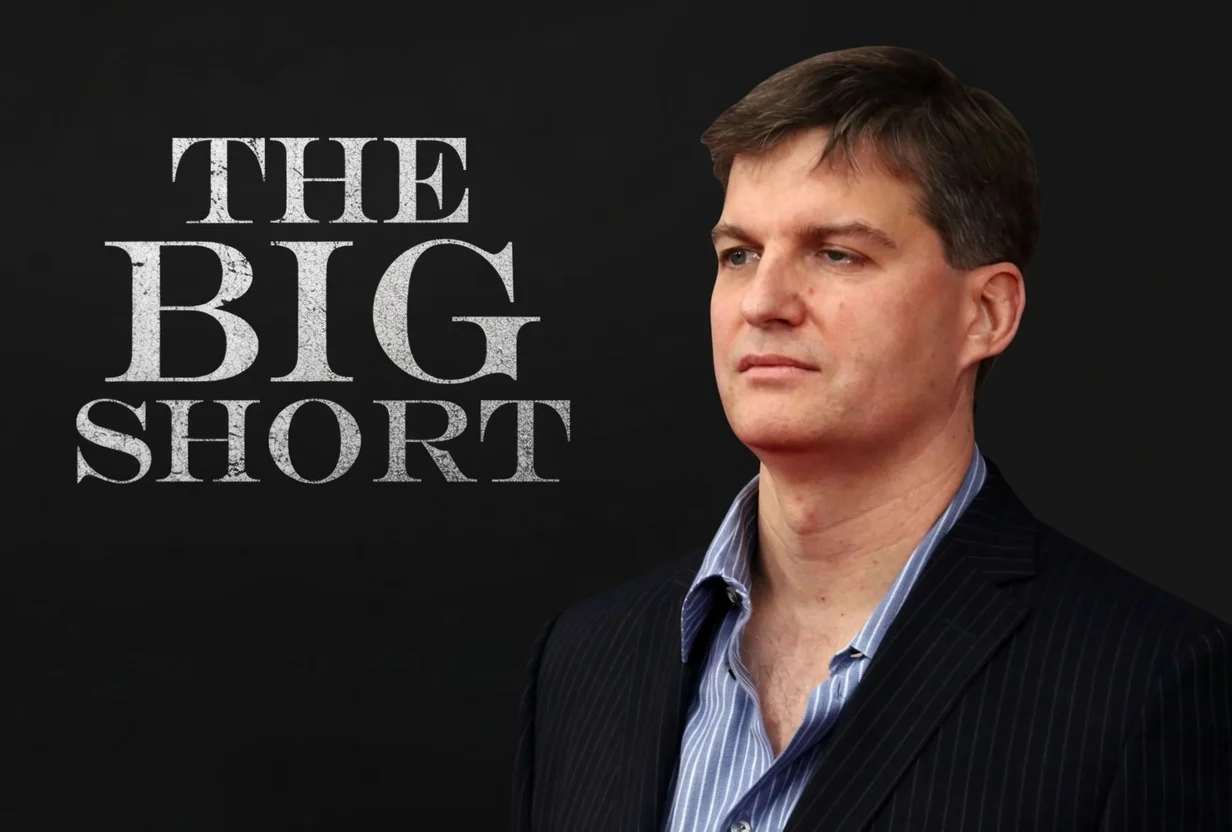
The legendary investor Michael Burry has delivered another stark warning regarding the massive capital being deployed by technology giants into artificial intelligence infrastructure. The financier who famously anticipated the 2008 financial crisis believes current spending trends mirror previous market manias that concluded with severe losses.
In a detailed analysis posted to his Substack on September 24, Burry zeroed in on five major technology corporations: Amazon, Meta, Alphabet, Microsoft and Oracle.
Breaking Down the $3 Trillion Capital Commitment
According to Burry’s calculations, these five tech behemoths collectively hold nearly $3 trillion in financial obligations related to artificial intelligence buildouts. These commitments span purchase agreements, future lease arrangements, financial guarantees and ongoing construction expenses.
Alphabet emerged as the largest concern in his analysis. Burry’s estimates place the search giant’s off-balance-sheet AI-related commitments at approximately $900 billion.
For Meta, Burry calculates that uncommenced lease agreements and purchase commitments total around $700 billion. He suggests this figure might climb toward $1 trillion when all obligations are fully accounted for.
The investor drew explicit comparisons to the late-1990s technology bubble. He noted that net capital expenditure among S&P 500 constituents has reached its highest percentage of GDP in roughly forty years.

Burry doesn’t anticipate immediate consequences. His forecast places the emergence of substantial write-offs around the 2028 to 2029 timeframe.
Beyond spending totals, Burry has questioned the accounting practices surrounding Nvidia hardware. He contends that hyperscale cloud providers are extending the depreciation schedules for AI chips beyond a reasonable two to three year lifespan.
This accounting methodology, Burry argues, may conceal approximately $176 billion in depreciation expenses across the industry between 2026 and 2028.
The Chipmaker’s Rebuttal
Nvidia didn’t remain silent on Burry’s critique. The semiconductor company distributed a comprehensive seven-page document to Wall Street analysts defending a four to six year useful life for its AI accelerators.
The company also corrected what it described as factual errors in Burry’s post, noting that its share repurchase program totaled $91 billion since 2018, not the $112.5 billion figure Burry referenced.
Meanwhile, Micron’s chief business officer provided his own counterpoint, telling investors that memory chip demand will exceed the company’s production capacity through at least 2028. This stance directly contradicts Burry’s assertion that AI demand has been overestimated.
Burry has positioned his portfolio to profit if his thesis proves correct. His bearish positions include Oracle, Nebius, Micron and Palantir.
He’s also established short exposure to the Philadelphia Semiconductor Index via put options expiring in January 2027. Notably, the majority of his short targets delivered positive returns through August.
Burry isn’t alone in his skepticism. GMO’s Jeremy Grantham has publicly characterized AI valuations as bubble territory. Jeffrey Gundlach of DoubleLine Capital has similarly predicted that the AI investment wave will produce clear winners and losers.
Opportunistic Purchases in Out-of-Favor Names
Despite his bearish stance on AI infrastructure, Burry continues to identify buying opportunities elsewhere in the market. He has established complete positions in five companies operating outside the artificial intelligence ecosystem.
His recent purchases span roofing supplier QXO, natural grocer Sprouts Farmers Market, specialty retailer Build-A-Bear, premium footwear company Birkenstock and Latin American e-commerce platform Mercado Libre.
Each of these investments has experienced double-digit percentage declines year-to-date. Build-A-Bear has been particularly hard hit, dropping as much as 57%.
Micron’s upcoming earnings release could prove pivotal for the debate. Analysts surveyed by Investor’s Business Daily are projecting year-over-year earnings growth of 940%. The results may either validate or challenge the prevailing narrative around AI infrastructure investment.
Get 3 Free Stock Ebooks
Discover top-performing stocks in AI, Crypto, and Technology with expert analysis.
- Top 10 AI Stocks - Leading AI companies
- Top 10 Crypto Stocks - Blockchain leaders
- Top 10 Tech Stocks - Tech giants



