


Quick Overview
- Both NYSE and Nasdaq observe Labor Day closure on Monday, September 7, with normal trading resuming Tuesday at 9:30 a.m. ET
- Bond markets and OTC trading platforms are also observing the federal holiday
- Toronto’s exchange is closed, while exchanges in London, Shanghai, and Hong Kong maintain regular operations
- Cryptocurrency trading continues uninterrupted on its standard 24/7 schedule
- August saw the S&P 500 climb 2.6%, though September historically brings a 2.7% average decline over the past half-decade
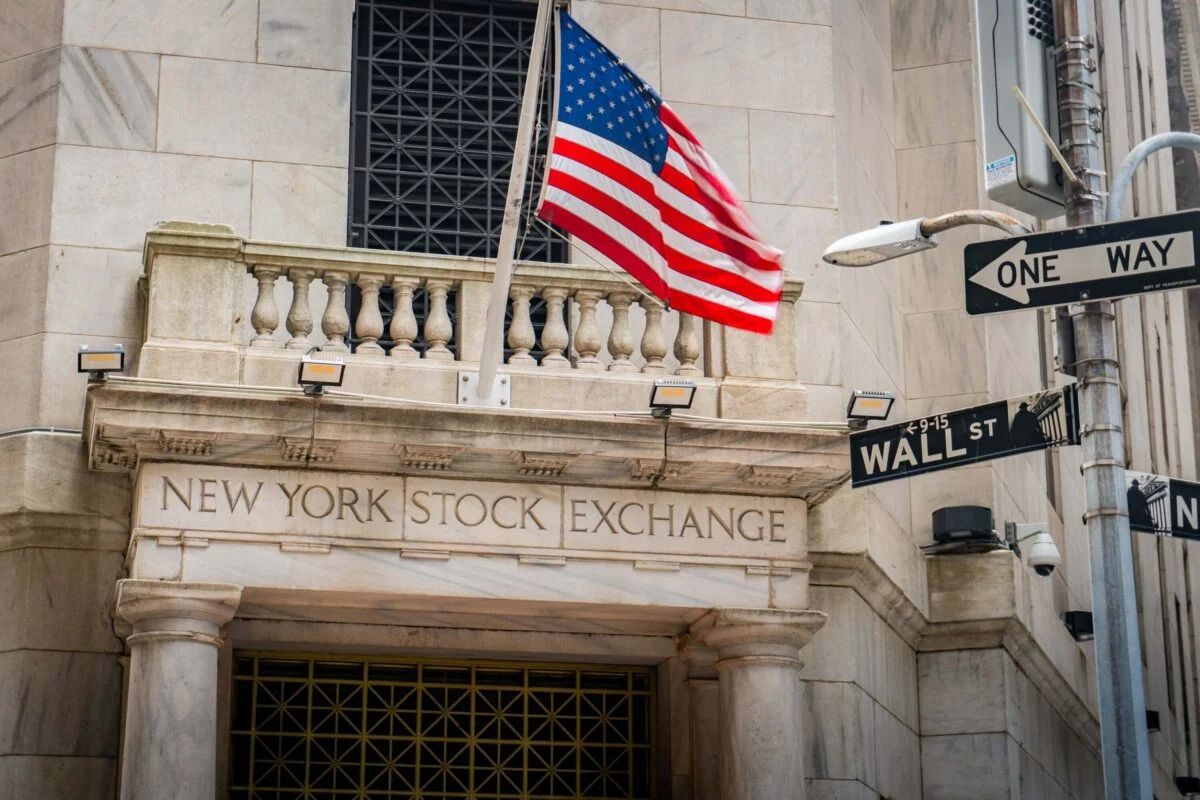
American stock trading takes a pause this Monday, September 7, as both the New York Stock Exchange and Nasdaq observe the Labor Day federal holiday. Normal trading operations will resume Tuesday, September 8, with the opening bell at 9:30 a.m. Eastern Time.
The holiday shutdown extends to US bond markets and over-the-counter trading venues. All will return to standard operating hours when Tuesday’s session begins.
Global Exchange Operating Status
While US markets pause, global trading activity continues selectively. Canada’s Toronto Stock Exchange joins American markets in closing for Labour Day. Meanwhile, the London Stock Exchange, Shanghai Stock Exchange, and Stock Exchange of Hong Kong all maintain regular Monday trading sessions.
Major American banking institutions—including Bank of America, Capital One, JPMorgan Chase, and Wells Fargo—have closed their branches for the holiday. Customers can still access ATM services and online banking platforms throughout the day.
Shipping giants UPS and FedEx have paused standard delivery operations for the holiday, although both companies continue operating specialized express services for time-sensitive packages.
Cryptocurrency Markets Operate Normally
Cryptocurrency trading stands apart from traditional financial markets during holidays. Digital currency transactions occur through decentralized computer networks rather than centralized exchanges. This structure enables continuous trading around the clock, including all holidays.

The S&P 500 posted strong performance in August, advancing 2.6%. This exceeded both its five-year August average of 0.2% and its ten-year average of 0.9%.
September typically tells a contrasting story. The S&P 500 has averaged a 2.7% decline during September over the past five years. The ten-year average shows a 1.3% drop for the month.
Summer months brought climbing oil prices, anticipation of interest rate increases, and government deficit concerns that drove bond yields upward. These factors revived worries about September’s historically weak performance that market professionals monitor annually.
Artificial intelligence momentum powered a strong rally earlier in 2026 that lifted the S&P 500 significantly. Those advances have since eroded as higher borrowing costs weighed on valuations.
Recent weeks have challenged investors considerably. The Labor Day market closure provides a brief respite before Tuesday’s trading restart.
The 2026 calendar includes ten total market holidays for both NYSE and Nasdaq, featuring two early closings on the Friday following Thanksgiving and on Christmas Eve.
Labor Day achieved federal holiday status in 1894 through legislation signed by President Grover Cleveland.
Get 3 Free Stock Ebooks
Discover top-performing stocks in AI, Crypto, and Technology with expert analysis.
- Top 10 AI Stocks - Leading AI companies
- Top 10 Crypto Stocks - Blockchain leaders
- Top 10 Tech Stocks - Tech giants



