


Key Takeaways
- Framework agreements spanning seven years have been awarded by the Defense Department to General Dynamics and Lockheed Martin for missile-defense manufacturing
- These contracts focus on PAC-3 MSE and THAAD interceptor systems
- Production targets call for tripling PAC-3 MSE output and quadrupling THAAD manufacturing capacity
- General Dynamics will manufacture critical interceptor components, while Lockheed Martin holds prime contractor status for both systems
- Specific contract dollar amounts remain undisclosed; funding depends on yearly congressional appropriations
The Defense Department has formalized framework contracts with General Dynamics and Lockheed Martin aimed at scaling up production of two critical missile-defense platforms. These agreements establish the foundation for seven-year procurement arrangements that encompass the Patriot Advanced Capability-3 Missile Segment Enhancement and Terminal High Altitude Area Defense systems.
Production goals under these frameworks are ambitious: the Pentagon seeks to triple manufacturing capacity for PAC-3 MSE interceptors while quadrupling output for THAAD systems. Accelerated delivery timelines are also part of the strategic objectives.
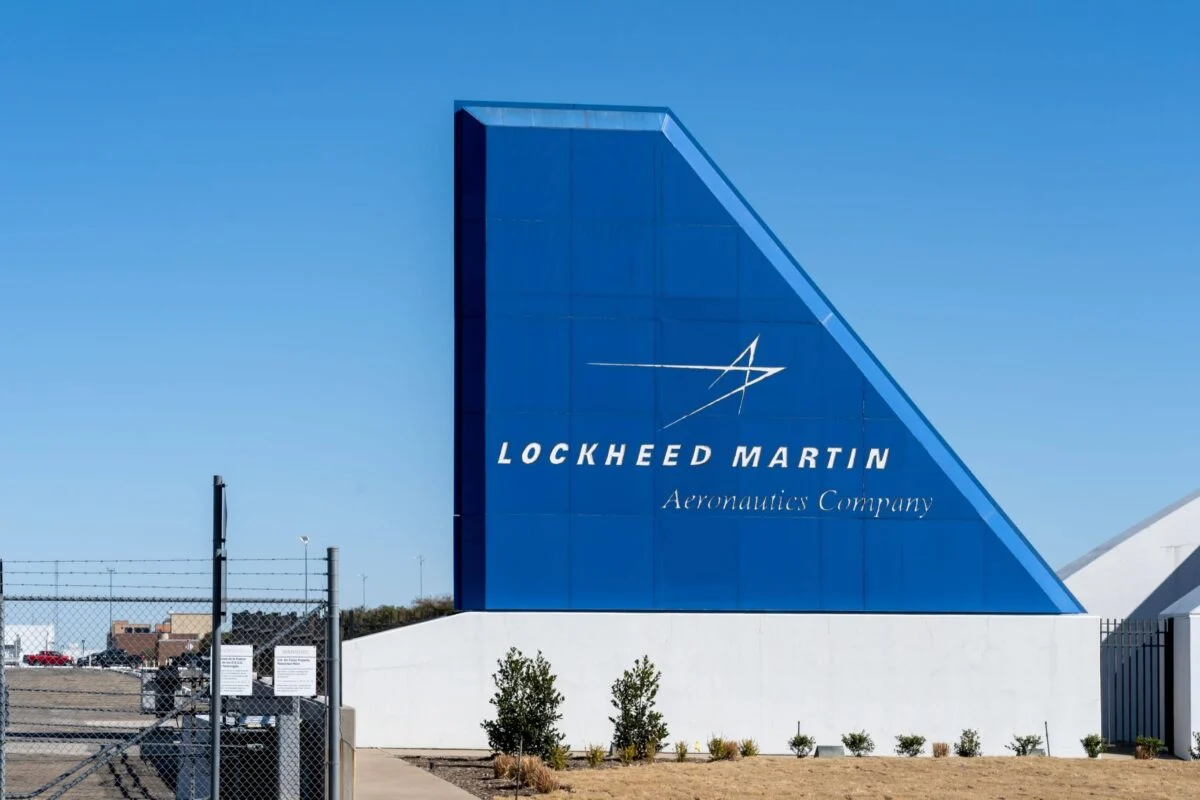
General Dynamics Ordnance and Tactical Systems has been tasked with manufacturing critical interceptor components, including motor cases, seeker housings, midsections, and shroud-deployment mechanisms. Meanwhile, Lockheed Martin maintains its role as prime contractor overseeing both PAC-3 MSE and THAAD interceptor programs.
The framework structure includes guaranteed minimum annual procurement volumes. This provision aims to provide sufficient investment certainty for both defense contractors and their supply chain partners to justify facility expansions and workforce growth.
Impact on General Dynamics and Lockheed Martin
From an investment perspective, these framework agreements offer General Dynamics and Lockheed Martin enhanced long-term revenue predictability. The contracts could underpin stable income streams throughout their duration.
That said, financial outcomes remain contingent on variables beyond the companies’ control. Annual congressional budget allocations will determine actual spending levels, and neither company has disclosed projected contract values.

Multi-year procurement arrangements typically enable cost reductions per unit. Manufacturers gain the ability to optimize supply chain purchasing and distribute capital investments across extended production cycles. Congressional authorization is typically required for such contract structures.
The PAC-3 MSE serves as the primary interceptor in current-generation Patriot air defense systems. THAAD specializes in neutralizing ballistic missiles during their terminal flight phase.
Strategic Rationale Behind the Expansion
U.S. military planners and allied nations have prioritized replenishing missile inventories and enhancing air defense capabilities. Global demand for platforms like Patriot and THAAD has intensified as nations confront evolving ballistic and advanced missile threats.
This production scale-up directly addresses heightened international demand. Both weapon systems feature proven designs and steady demand profiles, making them ideal candidates for multi-year procurement strategies.
The Defense Department has not published specific contract valuations. Details regarding annual production quotas and capacity expansion timelines also remain undisclosed.
General Dynamics and Lockheed Martin rank among America’s premier defense industry contractors. Framework agreements of this magnitude can establish dependable revenue channels and facilitate strategic workforce planning over extended periods.
These framework agreements represent an initial phase. Comprehensive multi-year contracts require finalization and congressional authorization before production commitments become binding.
Get 3 Free Stock Ebooks
Discover top-performing stocks in AI, Crypto, and Technology with expert analysis.
- Top 10 AI Stocks - Leading AI companies
- Top 10 Crypto Stocks - Blockchain leaders
- Top 10 Tech Stocks - Tech giants



