


Key Takeaways
- On July 23, the European Union enacted its 21st sanctions round against Russia, designating 14 cryptocurrency platforms and 94 financial institutions for allegedly facilitating sanctions evasion.
- With 218 new designations—48 individuals and 170 organizations—this represents the most substantial sanctions expansion in four years.
- Brussels gained authority to prohibit cryptocurrency services from entire countries if they’re determined to assist Russia in circumventing sanctions.
- The shadow-fleet registry expanded by 41 vessels, while the Russian oil price ceiling adjustment remains frozen through July 15, 2027.
- Defense-related designations included 56 individuals and entities, with 37 connected to extended-range unmanned aerial vehicle manufacturing.
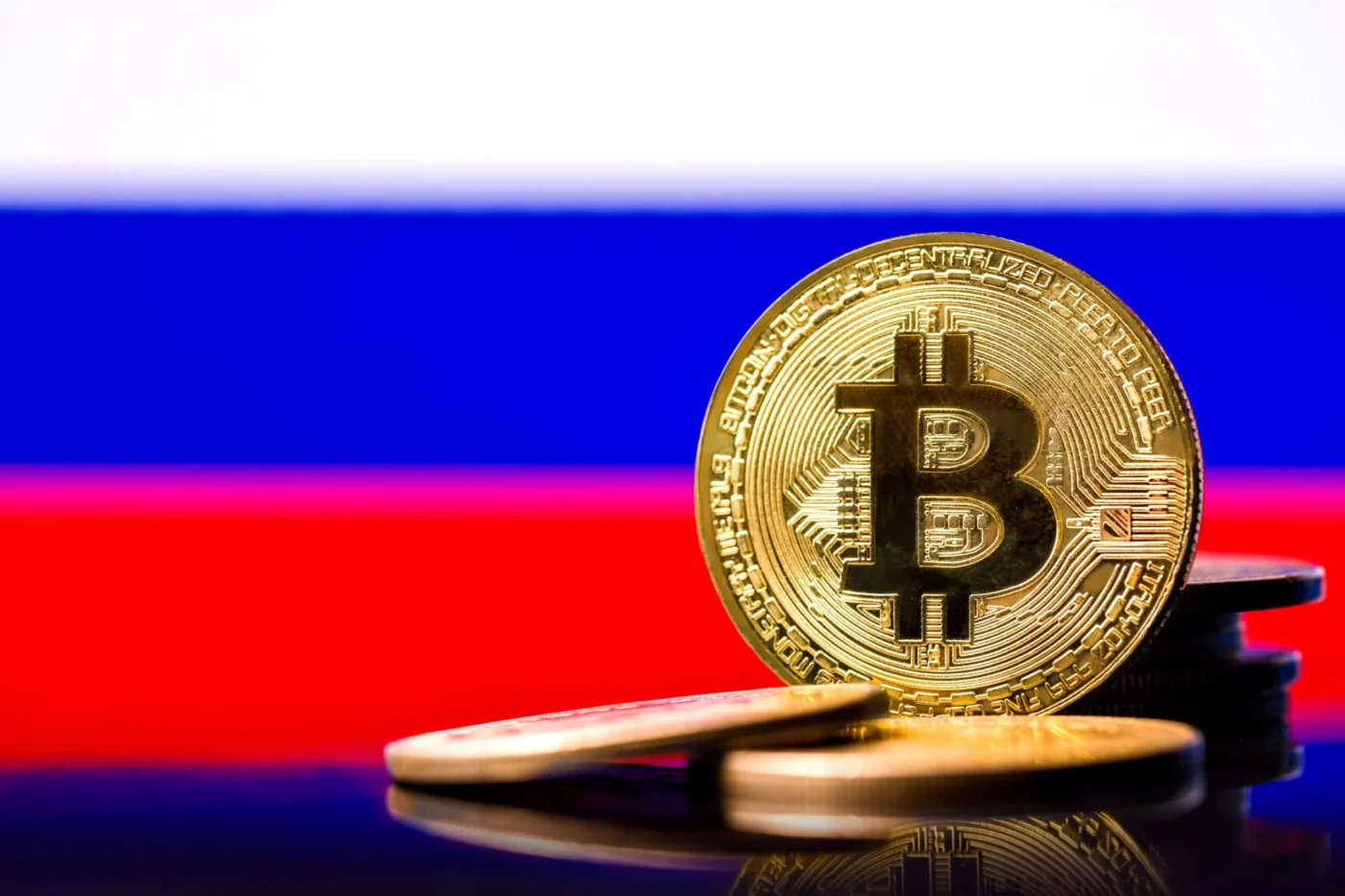
Brussels implemented its 21st round of sanctions against Russia on July 23, designating 14 cryptocurrency service providers along with 94 banking and financial entities. European Union representatives characterized the action as the most extensive set of new designations implemented over the past four years.
The comprehensive package encompasses 218 total designations, consisting of 48 individuals and 170 organizations. The measures affect financial sectors, energy infrastructure, defense contractors, and entities allegedly assisting Russia in circumventing established restrictions.
Cryptocurrency Providers Face Restrictions
The 14 designated cryptocurrency platforms operate from Georgia, Panama, the United Arab Emirates, the Marshall Islands, Kyrgyzstan, and Belarus. European authorities assert these services enabled Russian-connected transactions that circumvented financial sanctions.
EU-based operators now face prohibition from engaging in transactions with the designated cryptocurrency platforms. The Council emphasized that these aren’t exclusively Russian companies—the emphasis falls on foreign-registered providers allegedly enabling sanctioned financial flows.
Additionally, the package establishes a novel mechanism enabling the EU to prohibit crypto-asset services associated with entire third-party nations. According to the Council, this authority could be invoked if a jurisdiction is discovered harboring providers that facilitate Russian evasion of EU regulations.
Four organizations associated with the A7 cross-border payment infrastructure were also designated, including companies linked to its African operations. Brussels has previously identified third-country payment corridors as components of Russia’s approach to preserving global financial system access.

Financial Institutions, Energy Sector, and Maritime Enforcement
The 94 designated banking institutions now face asset seizures and funding prohibitions. Transaction restrictions were simultaneously expanded to encompass 33 additional Russian credit and financial institutions, preventing EU businesses and citizens from conducting operations with them.
Four non-Russian banks were also included in the package. One was identified as a Kyrgyzstani institution linked to Russia’s financial communication infrastructure, while three others were accused of facilitating sanctions avoidance for designated entities.
Regarding energy measures, 41 ships were incorporated into the shadow-fleet registry, elevating the total to 673. Updated regulations now encompass vessels providing auxiliary services to ships suspected of evading the Russian petroleum price ceiling.
The petroleum price ceiling adjustment was suspended until July 15, 2027, with officials referencing complications from the Strait of Hormuz closure. An intermediate assessment will establish whether the suspension continues to be warranted.
Three Russian refineries and one significant Belarusian refining facility received designations. A Georgian refinery located in Kulevi will face transaction restrictions following a six-month transition window due to its involvement in processing Russian petroleum.
Defense-related actions designated 56 individuals and organizations, with 37 designations associated with long-range drone manufacturing. Export restrictions were strengthened for 51 entities distributed across China, India, Türkiye, Kazakhstan, Kyrgyzstan, and the UAE.
European Commission President Ursula von der Leyen endorsed the measures, declaring the sanctions “continue to weaken the economic foundations of Russia’s war effort.”
Get 3 Free Stock Ebooks
Discover top-performing stocks in AI, Crypto, and Technology with expert analysis.
- Top 10 AI Stocks - Leading AI companies
- Top 10 Crypto Stocks - Blockchain leaders
- Top 10 Tech Stocks - Tech giants



