


Key Highlights
- CVS Caremark announced it will provide coverage for Eli Lilly’s Zepbound beginning October 1, along with its oral GLP-1 medication Foundayo starting June 1, overturning last year’s exclusion policy.
- This policy shift means Lilly now enjoys formulary access across America’s three dominant pharmacy benefit managers: Express Scripts, Optum Rx, and CVS Caremark.
- A year earlier, CVS had partnered with Novo Nordisk, designating Wegovy as its preferred GLP-1 option—a decision that triggered an almost 12% drop in LLY shares.
- First-quarter 2026 results showed Lilly’s revenue climbing 56% compared to the prior year, reaching $19.8 billion, while adjusted earnings per share hit $8.55, representing a 156% increase.
- Shares of LLY rose roughly 4% following the coverage announcement, positioning the stock within 5% of its record peak.
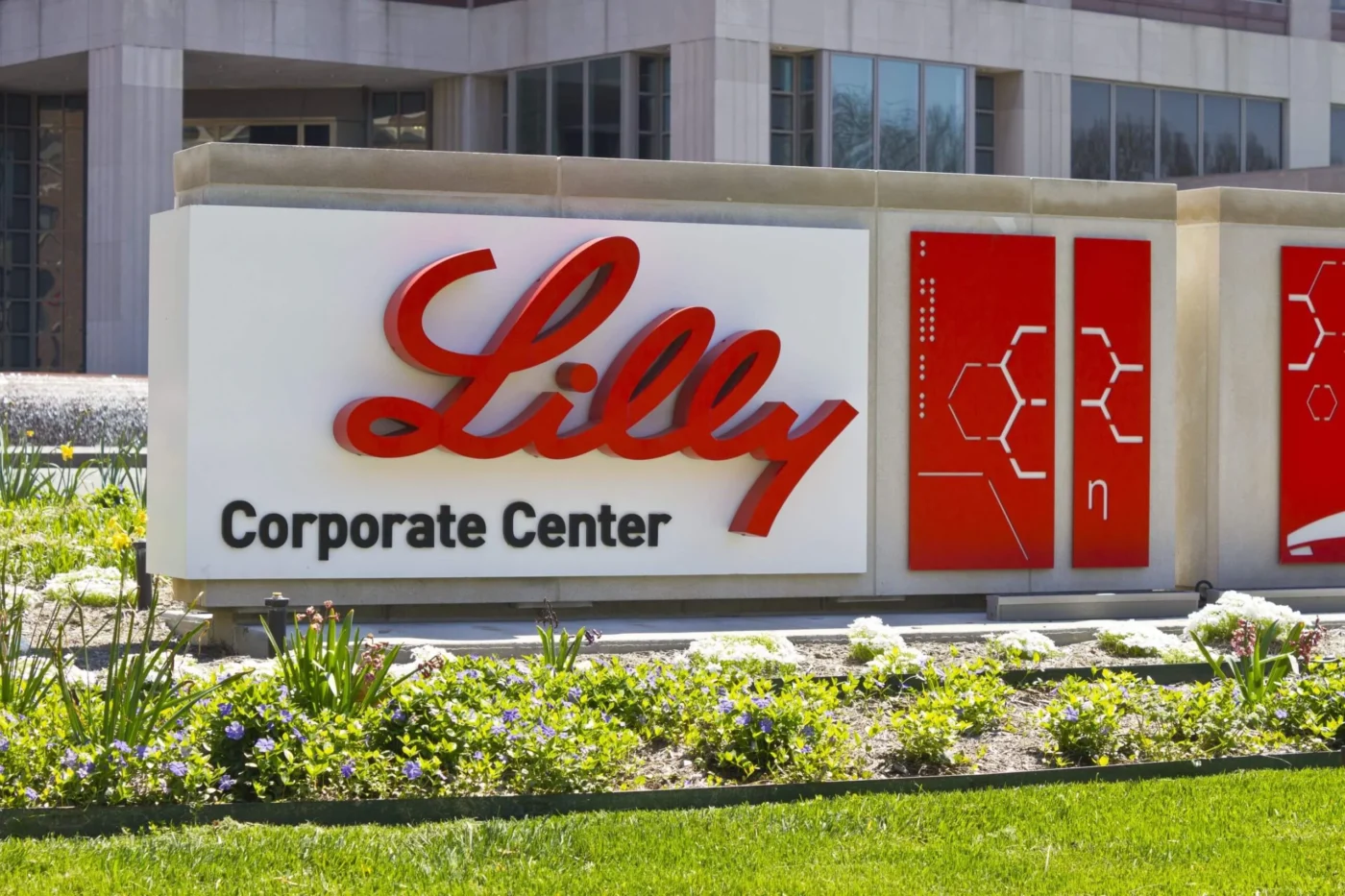
On May 28, Eli Lilly secured a significant victory when CVS Caremark announced it would reverse its previous stance and include Zepbound in its formulary. Coverage for Zepbound begins October 1, while the company’s oral GLP-1 medication, Foundayo, will be covered starting June 1.
A little over twelve months ago, CVS took the opposite approach. The pharmacy benefits manager forged an agreement with Novo Nordisk, establishing Wegovy as its preferred GLP-1 obesity treatment while removing Zepbound from coverage entirely. That exclusion, coupled with weaker-than-expected quarterly results from Lilly during the same period, triggered a nearly 12% decline in LLY shares.
Today, CVS is reversing that strategy. A company representative confirmed that employees whose health plans include GLP-1 coverage for obesity treatment will now receive equivalent access to both Novo Nordisk and Lilly medications, with identical copayment structures.
LLY shares climbed about 4% on the day the news broke.

Complete Coverage Across Top Three PBMs
Following Caremark’s policy change, all three leading pharmacy benefit managers operating in the United States—Express Scripts (owned by Cigna), Optum Rx (part of UnitedHealth), and CVS Caremark—now provide coverage for Lilly’s complete approved obesity medication lineup.
This development carries substantial implications. PBM formulary decisions directly influence patient accessibility and determine cost-sharing amounts for consumers. Broader formulary inclusion generally drives higher prescription volume.
The timing proves particularly advantageous for Foundayo. Lilly’s oral GLP-1 tablet entered the market recently, receiving FDA clearance just in April. Novo’s rival oral formulation had already secured Caremark formulary placement several months prior. Achieving parity now eliminates a competitive disadvantage that had been hampering Foundayo’s market penetration.
Approximately 80% of patients prescribed Foundayo represent GLP-1-naive individuals, indicating the oral delivery system is attracting a distinct patient population compared to injectable alternatives.
This formulary expansion also strengthens Lilly’s competitive position against telehealth providers distributing lower-cost compounded versions of Zepbound. Enhanced insurance accessibility improves the branded product’s price competitiveness.
Market Valuation and Analyst Perspectives
LLY shares currently trade at approximately 29 times forward earnings estimates. While this multiple exceeds the S&P 500’s roughly 21x ratio and the healthcare sector’s average of about 17x, it remains significantly below Lilly’s three-year average forward P/E of approximately 43x.
Before releasing first-quarter 2026 financial results, LLY had declined nearly 21% year-to-date. Following the earnings announcement—which revealed a 56% revenue increase to $19.8 billion and adjusted EPS of $8.55, up 156% from the previous year—shares rebounded dramatically. The stock now trades less than 5% beneath its all-time peak, though it continues to lag the S&P 500’s year-to-date advance of more than 10%.
Analyst consensus places the price target for LLY near $1,227, suggesting approximately 15% appreciation potential from present levels. Targets revised following the Q1 report average slightly higher at $1,239.
Barclays maintains the most optimistic projection at $1,400. Rothschild & Co Redburn represents the conservative end of the spectrum with a $900 target.
The forward P/E multiple has compressed from 32x when shares previously traded at comparable levels in February, indicating analyst earnings projections have partially bridged the gap with the stock’s price appreciation.
Get 3 Free Stock Ebooks
Discover top-performing stocks in AI, Crypto, and Technology with expert analysis.
- Top 10 AI Stocks - Leading AI companies
- Top 10 Crypto Stocks - Blockchain leaders
- Top 10 Tech Stocks - Tech giants



