


Key Points
- CFTC Chairman Michael Selig described Bitcoin as “anti-fragile” in a recent Fox Business appearance.
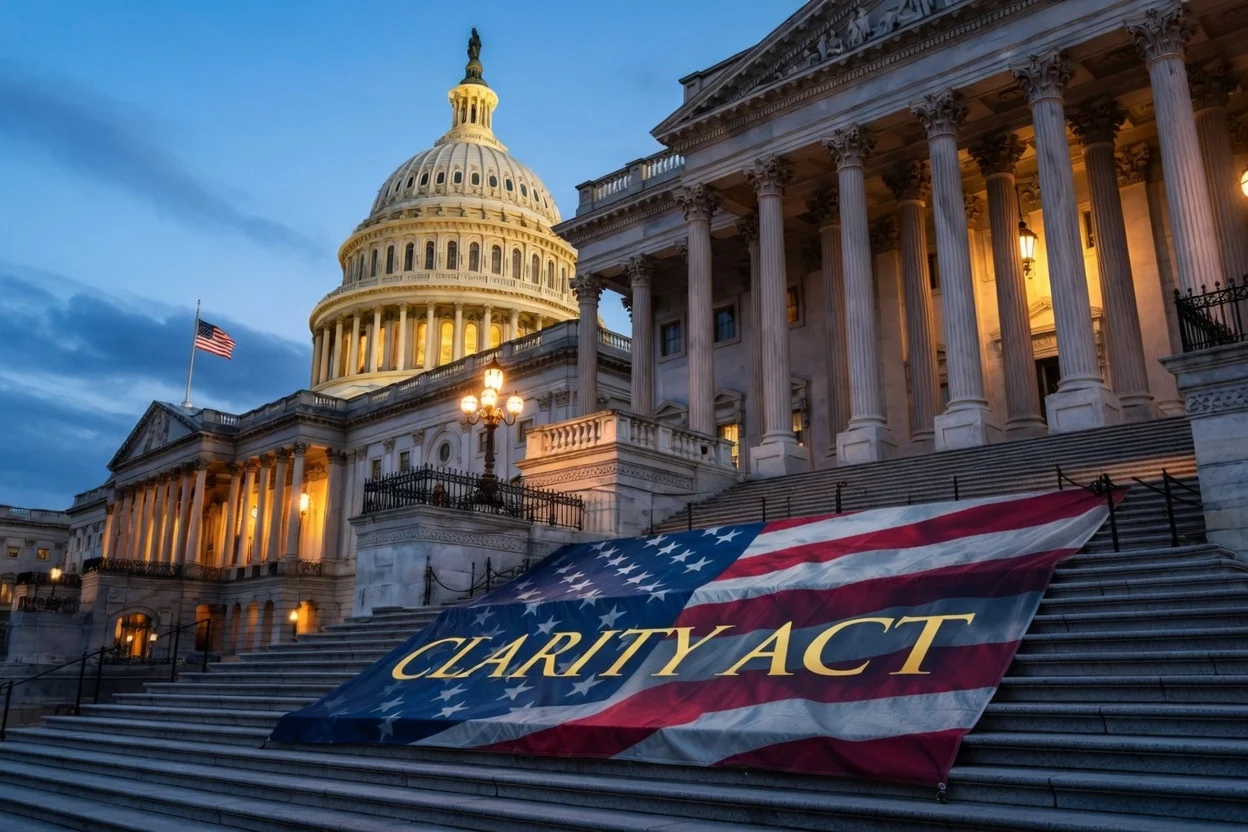
- Selig pushed Congress to finalize the Clarity Act following delays past the initial July 4 deadline.
- The proposed Clarity Act would split digital asset regulation between the CFTC and SEC.
- Senate negotiations remain stalled over ethics requirements, illicit finance protocols, and stablecoin yield stipulations.
- Senator Cynthia Lummis indicated lawmakers plan to publish bill language and schedule a vote within the month.
Bitcoin continues to dominate Washington’s cryptocurrency policy discussions after CFTC Chairman Michael Selig described it as “anti-fragile.” He pressed legislators to move forward with the Clarity Act following Congress’s failure to meet its July 4 deadline. His statements have reignited attention on regulatory frameworks, investor protections, and the Senate’s legislative calendar.
CFTC Chairman Intensifies Pressure Following Deadline Miss
Selig delivered these comments during a conversation with Fox Business anchor Maria Bartiromo. He indicated that legislators were approaching consensus, though the Senate had yet to conduct final proceedings.
“We’re so close. We have to get this done,” Selig stated during the broadcast.
The Clarity Act would establish comprehensive federal guidelines for digital asset markets and exchange platforms.
The legislation would also distribute regulatory authority between the CFTC and the Securities and Exchange Commission. The cryptocurrency sector has pursued this jurisdictional division for years due to inconsistent enforcement standards.
Selig positioned the Clarity Act as both an economic imperative and a regulatory necessity. “We must have a federal standard for crypto assets,” he stated. He emphasized that fragmented state regulations have generated confusion for enterprises nationwide.
Bitcoin Remarks Strengthen Market Structure Arguments
Bartiromo’s questions covered prediction markets, energy vulnerabilities, and recent international tensions. Selig noted that Bitcoin maintained stability throughout conflicts involving Iran and the Strait of Hormuz. He characterized Bitcoin as “anti-fragile” when examining cryptocurrency’s behavior during periods of market volatility.
Selig indicated the CFTC simultaneously worked to maintain stability in oil and derivatives trading. His remarks connected digital currencies to broader financial resilience concerns and federal oversight mechanisms. They reinforced his position that unified national regulations through the Clarity Act are essential.

Kalshi and Polymarket handled approximately $24 billion in combined trading volume during the previous year.
Selig mentioned the CFTC has drafted regulations for prediction platforms and pursued enforcement actions regarding state authority conflicts. While this matter stands apart, it demonstrates the agency’s growing involvement in digital finance sectors.
Senate Faces Tight Timeline for Final Negotiations
The House approved the Clarity Act during the previous summer, yet the Senate has delayed floor consideration. Market observers have assessed the legislation’s chances at roughly fifty-fifty before the August 7 recess. Nevertheless, legislators must resolve outstanding disagreements on specific provisions.
Selig addressed the bill’s complexity when discussing negotiation delays. He noted that ethics concerns related to President Trump, his relatives, and cryptocurrency business interests have added layers to discussions.
“There’s a little bit of creep into ethics and other issues,” he remarked.
Democrats have characterized these clauses as essential components of consumer safeguards and market transparency. Legislators continue weighing provisions addressing illicit financial activities and interest payments on stablecoin holdings. These unresolved matters have influenced the Senate trajectory for the Clarity Act throughout this period.
Senator Cynthia Lummis has stated negotiators intend to publish legislative text and conduct a vote this month. Her digital assets subcommittee approved the measure with a 15-9 bipartisan tally. Current momentum places the Clarity Act’s fate on finalized language, Senate floor action, and the approaching recess deadline.
Get 3 Free Stock Ebooks
Discover top-performing stocks in AI, Crypto, and Technology with expert analysis.
- Top 10 AI Stocks - Leading AI companies
- Top 10 Crypto Stocks - Blockchain leaders
- Top 10 Tech Stocks - Tech giants



