


TLDR
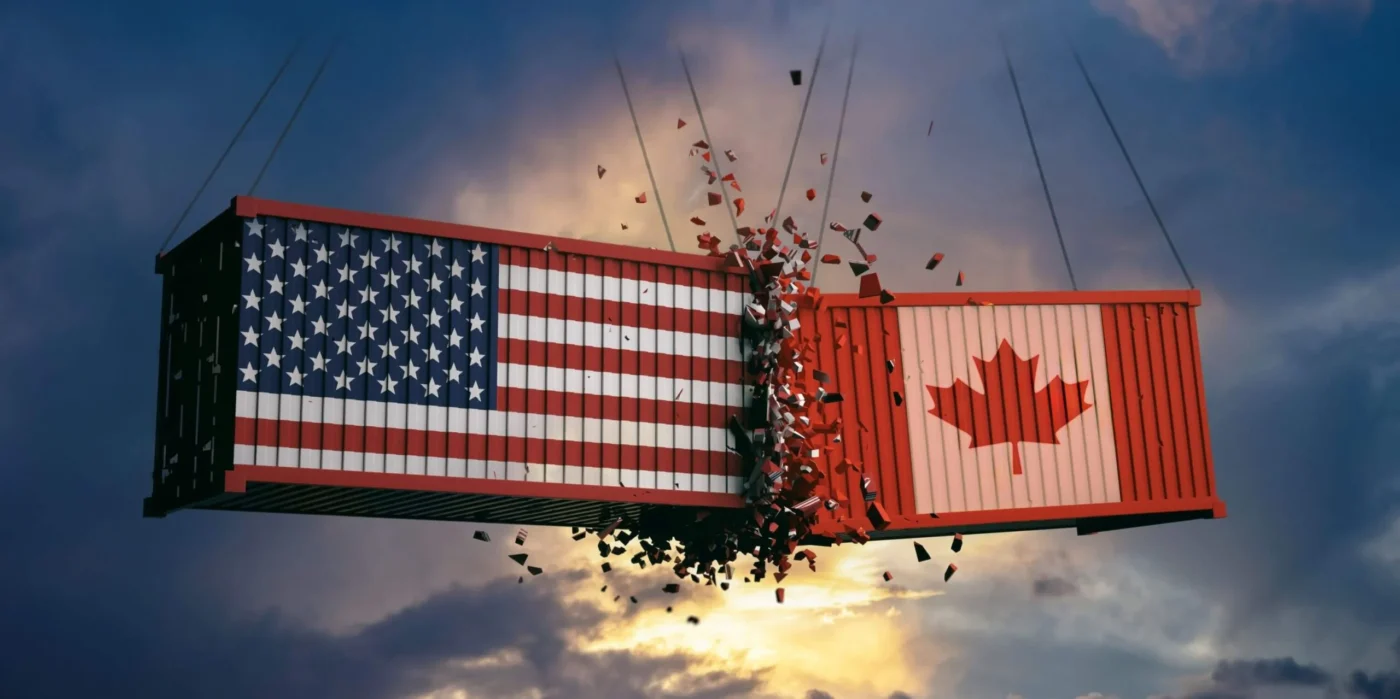
- Ottawa enacted tariffs reaching 50% on approximately C$28 billion in American imports, targeting cheese, honey, aluminum foil, steel, and furniture
- This retaliation matches dollar-for-dollar Trump’s August tariffs of 50% on Canadian dairy products, alcoholic beverages, and hockey equipment
- Bilateral negotiations broke down in August with no resumption currently scheduled
- Trump issued warnings to remove Bombardier from US markets unless production relocates to American soil
- Canadian employment dropped by approximately 41,000 positions in August amid escalating trade disputes
Ottawa’s counter-tariffs against American imports became effective Tuesday at the stroke of midnight, affecting approximately C$28 billion ($20 billion) in US products. Affected merchandise includes cheese facing 25% duties, honey at 50%, aluminum foil at 50%, along with steel, furniture, and cotton garments.
Ottawa’s measures directly counter Trump’s August imposition of 50% duties on Canadian dairy products, alcoholic beverages, fragrances, and hockey equipment. Those summer tariffs emerged as Washington’s answer to prior Canadian countermeasures targeting American automobiles and trucks.
This tit-for-tat escalation has intensified over several months. Bilateral negotiations between Washington and Ottawa fell apart in late August, with neither party initiating efforts to revive discussions.
Canadian Prime Minister Mark Carney expressed Ottawa’s willingness to negotiate an agreement that proves “durable” and equitable for both nations. However, US Trade Representative Jamieson Greer stated Canada must now respond after Washington presented what he characterized as the optimal available agreement.
The US-Canada economic partnership represents the globe’s most significant bilateral trade relationship, totaling approximately $900 billion in 2025. This historic partnership now faces unprecedented pressure.
Bombardier Threat and Economic Fallout
Trump intensified the dispute Monday, warning via Truth Social that Canadian aircraft manufacturer Bombardier faces exclusion from American markets unless it relocates production facilities to US territory.

Bombardier generates more than C$7 billion annually for Canada’s economy, ranking among the nation’s premier corporations. American market exclusion would trigger substantial repercussions across the Canadian economy.
Ottawa implemented one modification before tariffs took effect. Seafood categories including fresh fish and lobster were excluded following resistance from Canada’s fishing sector. Lobster trade particularly interconnects both nations, with American-harvested lobster frequently processed in Canadian facilities before returning to US markets.
Economic analysts caution the fresh tariffs will elevate costs for Canadian consumers on essential items including food products, apparel, and household furnishings.
The Canadian Chamber of Commerce has called on officials to exercise restraint regarding further escalation. President Candace Laing acknowledged businesses comprehend the need for retaliation but oppose indefinite continuation.
Canada’s economic performance remained stable before this latest escalation. GDP expanded 3.3% during the second quarter while employment increased by 181,000 positions between April and July.
August painted a contrasting picture. Approximately 41,000 positions disappeared that month, coinciding with new American tariffs and the collapse of bilateral negotiations.
Canada has simultaneously been diversifying its trading partnerships beyond the US. In July, American-bound Canadian exports fell to 66%, declining from a pre-trade war average of 75%.
Trump’s weekend Truth Social activity featured a map depicting Canada, Mexico, and Greenland overlaid with American flag imagery, alongside a separate message labeling Canada’s currency exchange rate with the US as “unacceptable.”
Carney has previously denounced Washington for “doing memes” and “throwing shade,” establishing trade diversification as a central policy objective.
Get 3 Free Stock Ebooks
Discover top-performing stocks in AI, Crypto, and Technology with expert analysis.
- Top 10 AI Stocks - Leading AI companies
- Top 10 Crypto Stocks - Blockchain leaders
- Top 10 Tech Stocks - Tech giants



