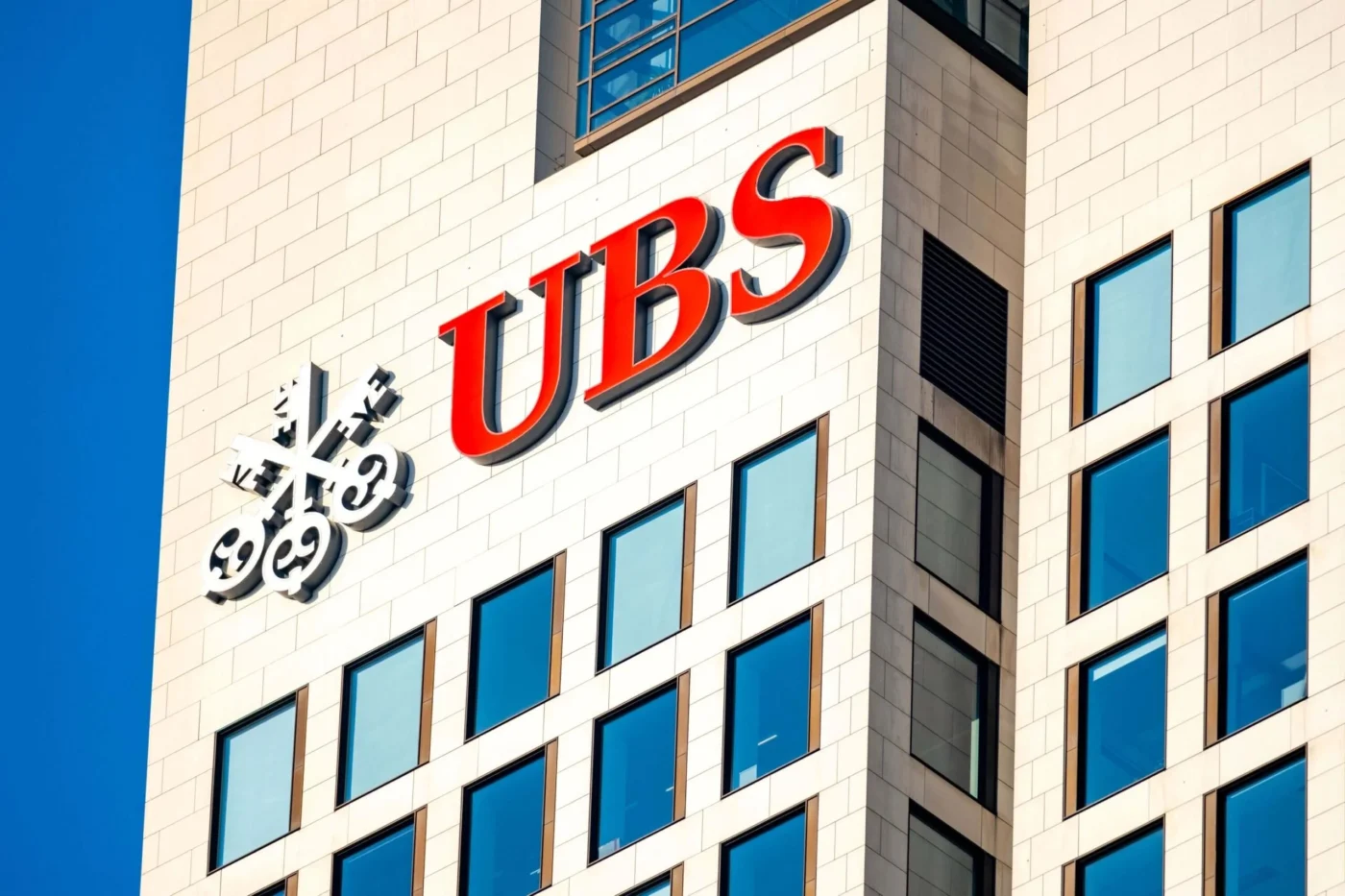
TLDR
- UBS (UBS) shares decline 1.15% to $46.25 even as third-quarter earnings reach $2.7 billion.
- Cost reductions from Credit Suisse merger approach $13.7 billion, surpassing original goals.
- Wealth management division brings in $55 billion in net new client assets during Q3.
- Bank announces $1.2 billion buyback extension following $4.8 billion already repurchased.
- Regulatory uncertainty in Switzerland continues as capital requirement discussions evolve.
UBS Group AG (UBS) delivered third-quarter net income of $2.7 billion, bolstered by accelerating synergies from its Credit Suisse acquisition. The Swiss financial institution posted rising revenues, robust client asset inflows, and meaningful advances toward operational efficiency milestones. Despite these positive developments, UBS stock retreated 1.15% to $46.25, shedding $0.54 amid lingering concerns about future regulatory requirements.
Third-Quarter Performance Demonstrates Operating Momentum
The banking group posted underlying pre-tax income of $4.1 billion, marking a 14% year-over-year advance. Total revenue increased 10% as core franchises delivered improved results across multiple segments. Earnings per share reached $0.85, while the return on Common Equity Tier 1 capital touched 16.7%.
UBS achieved a cost-income ratio of 68.7%, underscoring ongoing discipline in expense management. Core operations produced positive operating leverage as top-line expansion outpaced rises in operating costs. Leadership indicated confidence in surpassing the 2026 profitability benchmark while holding the cost-income ratio beneath the 70% threshold.

The Global Wealth Management arm delivered pre-tax profit of $2 billion, an 11% improvement versus the prior year. The division secured $55 billion in net new client money, pushing year-to-date flows to $128 billion. Vigorous client engagement in Asia-Pacific and the Americas fueled growth in credit, deposits, and fee-based income streams.
Merger Synergies Accelerate as Integration Timeline Advances
UBS realized cumulative gross cost reductions of $13.2 billion through the end of September, including $600 million captured in the third quarter alone. Projections call for an additional $500 million in efficiencies during the fourth quarter, elevating aggregate savings to $13.7 billion. That figure exceeds the initial $13.5 billion target and aligns with the anticipated finalization of merger activities.
UBS incurred $452 million in integration-related expenses and $346 million in charges tied to repurchasing Credit Suisse debt instruments. The institution bought back roughly $10 billion in higher-cost liabilities to lower funding burdens and enhance net interest income over time. Another $500 million in integration spending is anticipated in the closing quarter of 2026.
Workforce optimization accompanied the operational consolidation, with total employee count standing at approximately 110,000 at quarter-end. That headcount reflects a 2% sequential decline and a 30% reduction relative to the 2022 starting point. UBS trimmed underlying operating expenses through system consolidations, facility closures, and strategic workforce realignment.
Capital Distribution Plans Progress Despite Stock Pressure
UBS executed $4.8 billion in share repurchases throughout 2026 and set aside $2.8 billion for dividend distributions to shareholders. The bank outlined a further $1.2 billion buyback program spanning the next three months. Management intends to unveil its 2027 capital return framework when fourth-quarter results are released.
At the end of September, the institution maintained a CET1 capital ratio of 14.7% and a CET1 leverage ratio of 4.6%. UBS anticipates the CET1 ratio will move toward 14% by year-end as planned distributions proceed. Nevertheless, pending Swiss regulatory proposals could impose higher capital buffers stemming from the Credit Suisse takeover.
Swiss authorities remain engaged in reviewing banking frameworks designed to fortify financial system resilience after Credit Suisse’s 2023 failure. UBS has voiced reservations about prospective capital mandates and their implications for global competitive positioning. The bank expects to resume standard operations from January 2027 as integration efforts conclude and regulatory conversations advance.
Get 3 Free Stock Ebooks
Discover top-performing stocks in AI, Crypto, and Technology with expert analysis.
- Top 10 AI Stocks - Leading AI companies
- Top 10 Crypto Stocks - Blockchain leaders
- Top 10 Tech Stocks - Tech giants