


Key Takeaways
- Senate vote of 49-50 fell significantly short of the required 60-vote supermajority to move the Digital Asset Market Clarity Act forward.
- Both political parties pointed fingers at each other following the collapse of eleventh-hour negotiations.
- Disagreements over ethics provisions concerning President Trump’s cryptocurrency investments proved to be the deal-breaker.
- Bitcoin tumbled past the $75,000 threshold, losing over 5% in value after the failed vote.
- Without the legislation, cryptocurrency oversight remains fragmented between SEC and CFTC without unified federal guidelines.
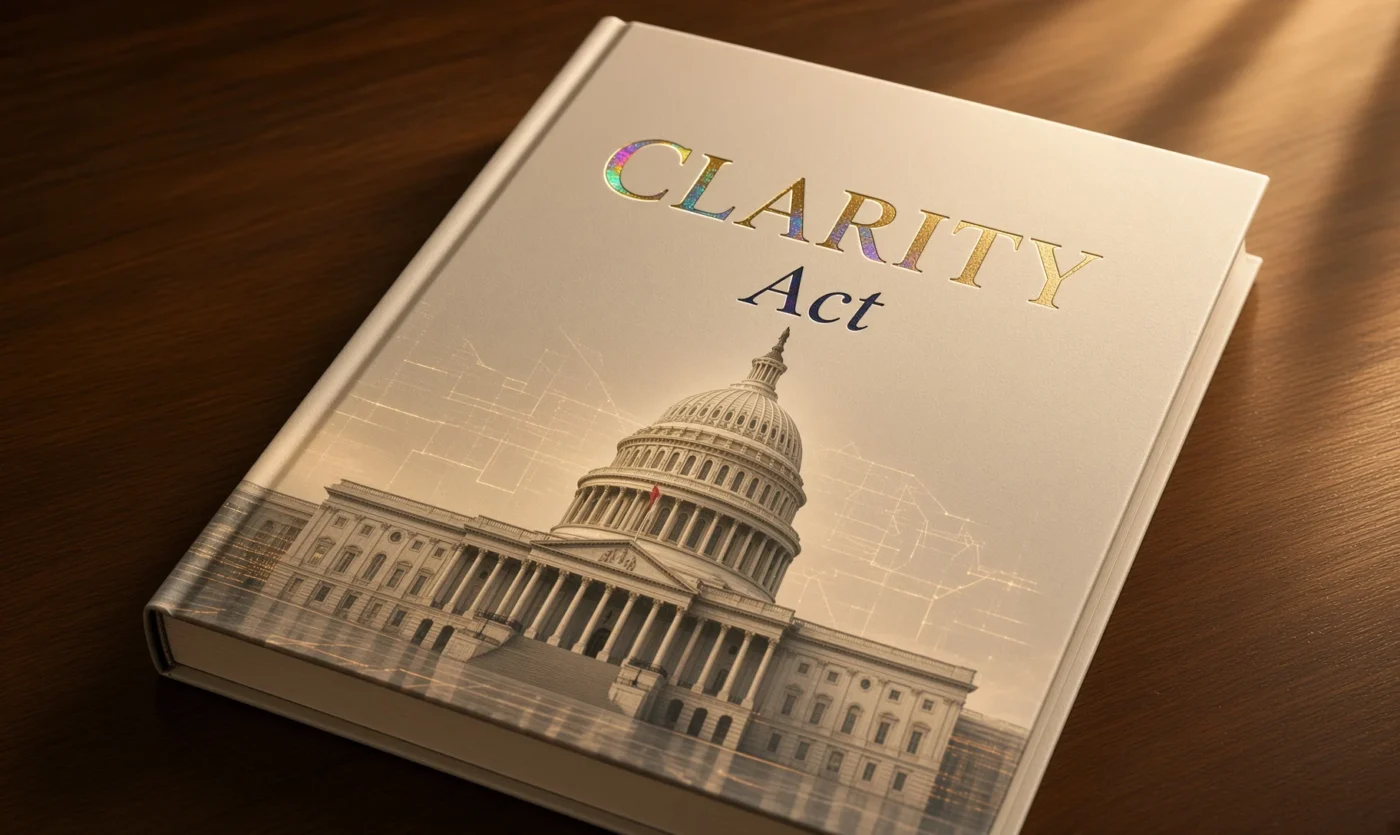
In a Tuesday Senate session, lawmakers rejected the Digital Asset Market Clarity Act, unable to secure the necessary 60-vote supermajority for advancement. The measure concluded with 49 supporters and 50 opponents.
This legislation sought to establish America’s inaugural comprehensive federal oversight structure for cryptocurrency markets. The proposal would have granted the Commodity Futures Trading Commission jurisdiction over digital asset spot trading while establishing classification standards for various cryptocurrency categories.
Cryptocurrency advocates invested considerable resources over multiple years, including substantial financial backing, to advance this regulatory initiative. However, partisan divisions in the nation’s capital ultimately prevented its passage.
Ethics Provisions Sink Negotiations
The primary roadblock wasn’t related to cryptocurrency policy mechanics. Instead, lawmakers deadlocked over conflict-of-interest provisions designed to prevent high-ranking administration officials, particularly President Trump, from financially benefiting from digital currency investments during their tenure.
The President consented to ethics modifications on two separate occasions, with the final concessions coming during weekend negotiations immediately preceding the scheduled vote. However, Democratic lawmakers maintained these adjustments remained insufficient.
Senator Mark Warner, instrumental in crafting the bill’s anti-money laundering provisions, expressed his desire to support the measure but cited concerns that it would permit presidential financial gains from cryptocurrency while executive branch agencies shaped regulatory policy.

Senator Ruben Gallego, another prominent Democrat in the negotiations, accused Republican colleagues of prematurely abandoning talks before reaching consensus. Senate Minority Leader Chuck Schumer informed the press that a cross-party compromise was available mere hours before voting commenced, but GOP leadership terminated discussions.
Republican senators disputed this characterization, with Senator Cynthia Lummis, the legislation’s primary GOP architect, accusing Democrats of delay tactics. Lummis, who is stepping down after dedicating over half a decade to cryptocurrency legislative efforts, questioned the sincerity of Democratic negotiating efforts.
The Path Forward Remains Uncertain
With approximately 36 working days remaining before the next congressional session convenes in January, prospects for reviving the bill this year appear dim. While some legislators have floated the idea of reconsidering it during the post-election lame duck period, political observers consider this scenario improbable.
Both the SEC and CFTC continue advancing their independent cryptocurrency regulatory frameworks. The SEC unveiled Regulation Crypto Assets recently, designed to streamline fundraising processes for blockchain ventures. Nevertheless, SEC Chairman Paul Atkins has acknowledged these administrative rules lack durability without congressional legislation providing statutory foundation.
Major industry political action committees, notably Fairshake, have yet to announce strategies for addressing senators who opposed the legislation in advance of the upcoming November midterm contests.
This legislative setback arrives after the cryptocurrency sector celebrated a significant 2025 victory when the GENIUS Act addressing stablecoin oversight passed with robust bipartisan backing and received presidential signature.
Bitcoin momentarily dipped beneath the $75,000 price point immediately after the vote, recording a single-day decline exceeding 5%.
Get 3 Free Stock Ebooks
Discover top-performing stocks in AI, Crypto, and Technology with expert analysis.
- Top 10 AI Stocks - Leading AI companies
- Top 10 Crypto Stocks - Blockchain leaders
- Top 10 Tech Stocks - Tech giants



