


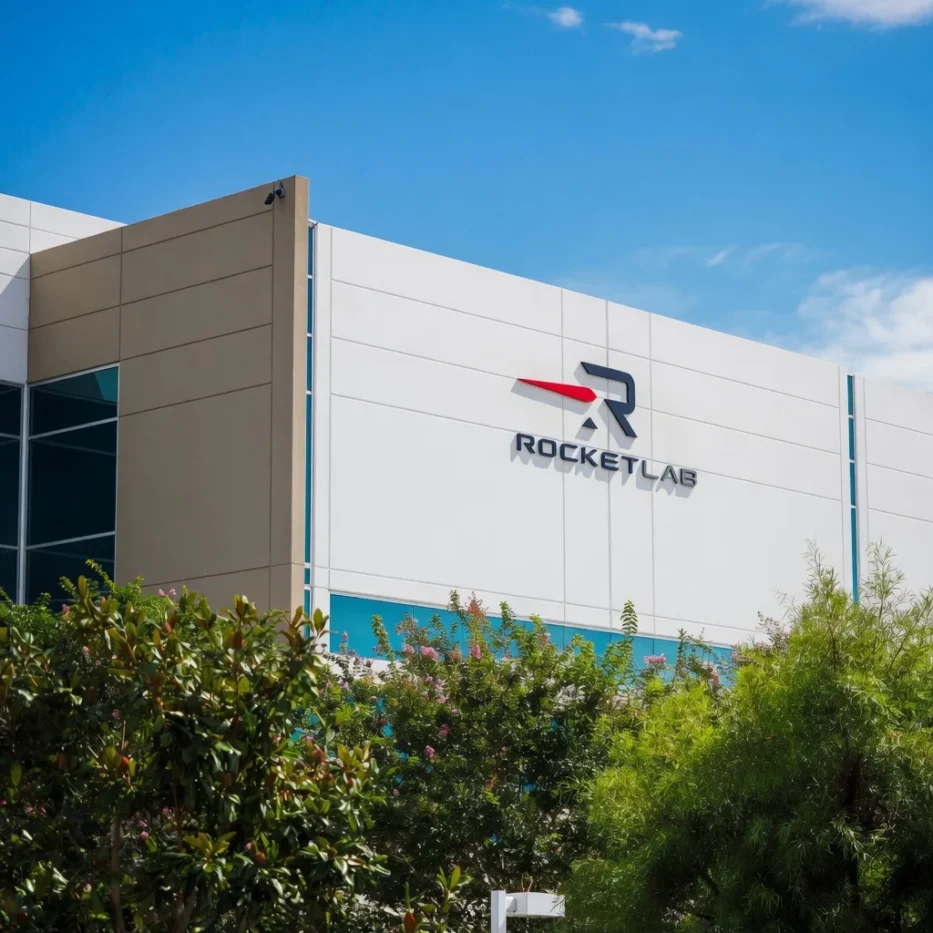
Key Highlights
- Brian Gesuale from Raymond James began coverage of RKLB with a Buy recommendation and $80 price objective, approximately 30% higher than current trading levels.
- Shares of Rocket Lab have plummeted 46% during the previous three-month period, primarily driven by market reactions following SpaceX’s June public offering.
- The firm reported a $2.36 billion backlog at the end of its most recent quarter, reflecting a 137% year-over-year increase.
- Gesuale forecasts Rocket Lab will achieve positive free cash flow by 2028, two years before SpaceX’s anticipated 2030 milestone.
- Among analysts tracking RKLB, 83% maintain Buy ratings, with a consensus price objective near $112.
Rocket Lab (RKLB) received a new Buy recommendation from Raymond James this Friday, as analyst Brian Gesuale established an $80 price objective. Shares climbed 1.6% to reach $62.95 during trading.
Gesuale’s $80 price objective implies approximately 30% potential gains from current prices, though it remains notably lower than the broader analyst consensus target hovering around $112.
The space company has experienced a turbulent period recently. Shares declined 46% during the three-month stretch leading into Friday, after surpassing $150 in late May. The stock dipped below $59 in late July, just weeks following SpaceX’s market debut.
Weak fundamentals didn’t trigger the decline. The company delivered second-quarter revenue figures that exceeded expectations in August and provided encouraging third-quarter guidance.

The primary catalyst was investor enthusiasm around the SpaceX IPO. Space sector equities rallied heading into the June offering, then experienced sharp declines after pricing. Even SpaceX shares fell beneath their $135 IPO price shortly after trading commenced.
Second-quarter revenue at Rocket Lab reached $234.1 million, representing a 62% year-over-year increase. The company maintains a cash position exceeding $2 billion.
Surging Backlog Supports Positive Outlook
Gesuale highlighted Rocket Lab’s $2.36 billion backlog as a primary driver of his bullish thesis. This represents a 137% increase versus the comparable year-ago period.
The expanding backlog demonstrates strong demand for its Electron launch vehicle and the forthcoming Neutron medium-lift rocket, engineered to compete at greater scale.
Gesuale characterized Rocket Lab as a complete end-to-end mission solutions provider, delivering components, software systems, and satellite platforms for civil, commercial, and defense customers.
This comprehensive approach, he noted, generates stable recurring revenue streams that dedicated launch-only competitors cannot match.
Iridium Acquisition Transforms Business Model
Last June, Rocket Lab unveiled its intention to acquire Iridium, adding a satellite communications network to its portfolio. This move positions the company closer to SpaceX, which manages Starlink.
Gesuale noted that following completion of the Iridium acquisition, Rocket Lab will become the sole vertically integrated space enterprise with positive free cash flow and a partnership-focused approach.
He anticipates standalone Rocket Lab revenue will reach approximately $1.8 billion by 2028, expanding to roughly $2.9 billion on a pro forma basis when including Iridium’s contribution.
This projection compares to anticipated 2026 revenue of approximately $960 million, up from around $600 million expected in 2025.
Free cash flow is anticipated to become positive in 2028, consistent with Wall Street estimates. SpaceX isn’t expected to achieve this benchmark until 2030.
In total, 83% of analysts following RKLB maintain Buy ratings, significantly exceeding the standard 55% to 60% Buy-rating proportion for S&P 500 companies. The mean analyst price target stands at approximately $112.
Raymond James aligns with the broadly positive analyst sentiment, even though its $80 target takes a more cautious stance than the Street average.
Get 3 Free Stock Ebooks
Discover top-performing stocks in AI, Crypto, and Technology with expert analysis.
- Top 10 AI Stocks - Leading AI companies
- Top 10 Crypto Stocks - Blockchain leaders
- Top 10 Tech Stocks - Tech giants



